Industrial Controls
When you’re choosing industrial controls, start with how much of the job sits in the panel and how much needs separate switching or relay control. A compact control panel suits straightforward machine control. Fuller industrial control panels make more sense when you need more devices, clearer segregation, or easier fault-finding later. The usual mistake is buying to suit the drawing, not the space you’ve actually got. Once the enclosure is tight, the layout decides what fits.
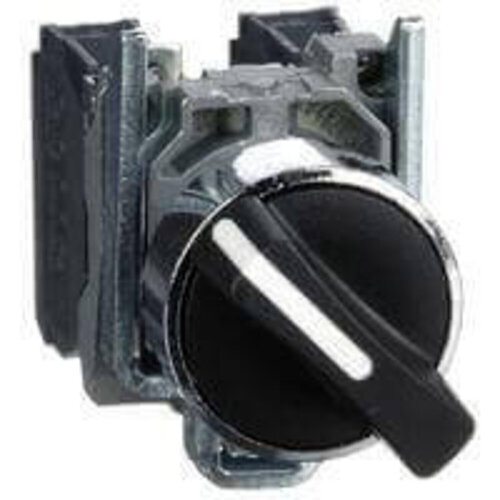
Schneider Electric Selector Switch, 1NO/1NC, 2 Position, Harmony XB4 Range - 22m…
22mm black selector switch with 1NO/1NC contacts and 2 positions
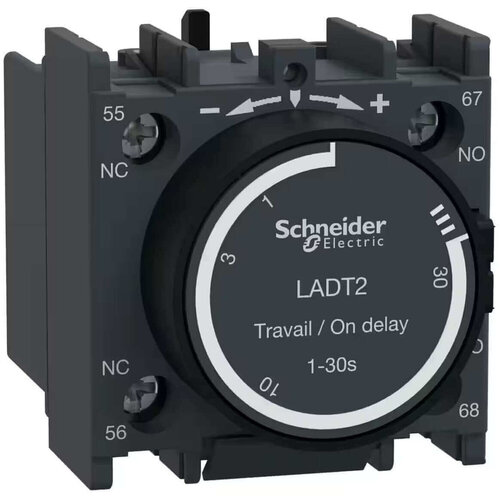
Schneider Electric Time On Delay Block
Time on delay block for timed switching
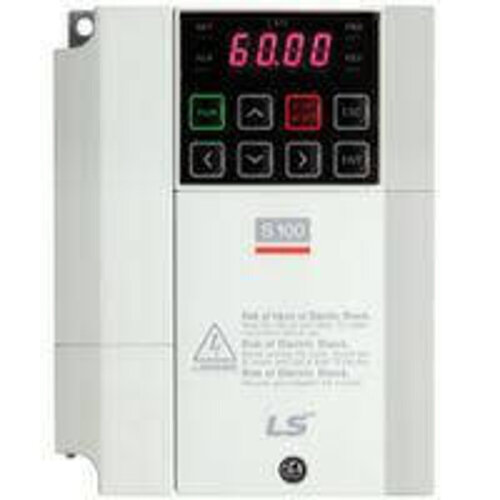
LS Industrial Systems Low Voltage VFD (Variable Frequency Driver) S100 Range - 2…
2.2kW 3-phase 400V variable frequency drive with safe torque off
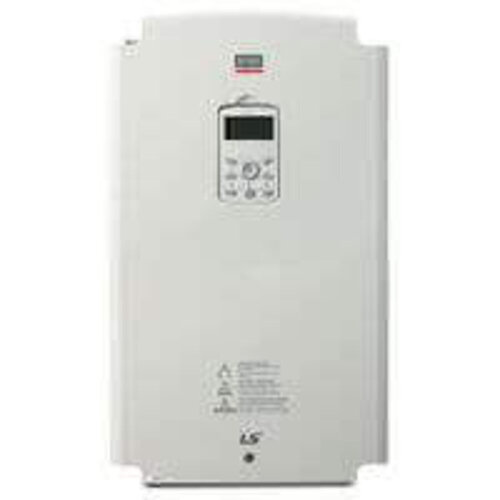
LS Industrial Systems Low Voltage VFD with Built-in DC Reactor S100 Range - 75kW…
75kW 3-phase 400V low voltage VFD with built-in DC reactor and STO functionality
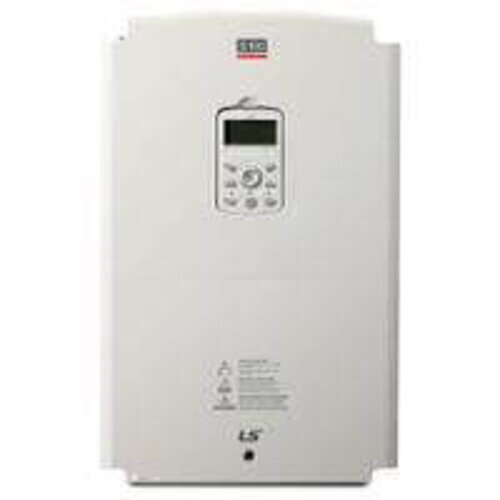
LS Industrial Systems Low Voltage VFD (Variable Frequency Driver) with Built-in …
45kW 3-phase 400V variable frequency drive with built-in DC reactor
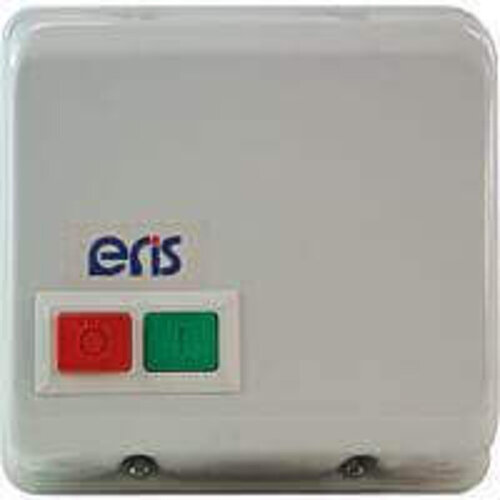
ALI Industries Automatic DC Injection Brake Controller - 5.5kW Three Phase 400V …
5.5kW three-phase brake controller, 400V, IP55 steel enclosure, integral start/s…
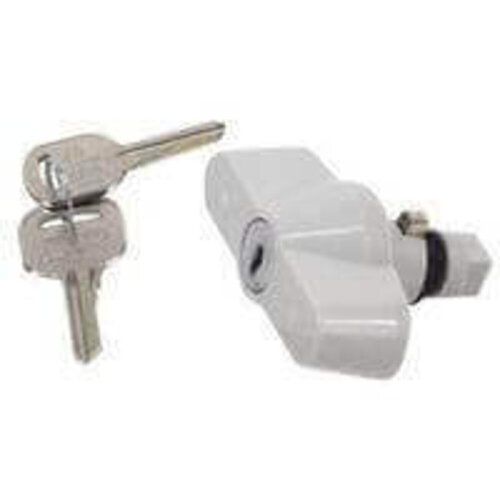
ALI Industries ABS Enclosure Key Lock
ABS enclosure key lock for securing enclosures
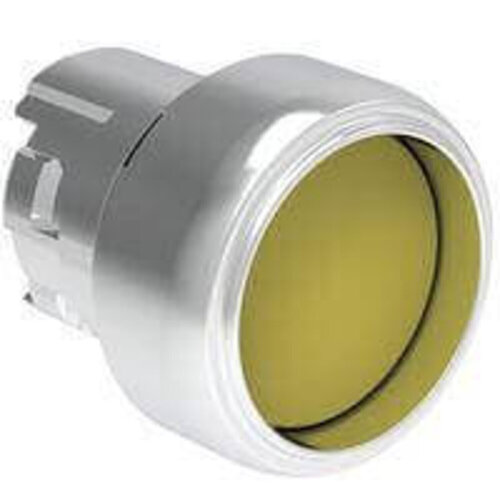
Lovato Platinum Series Shrouded Pushbutton Actuator Spring Return - 22mm metal y…
22mm metal pushbutton actuator, spring return
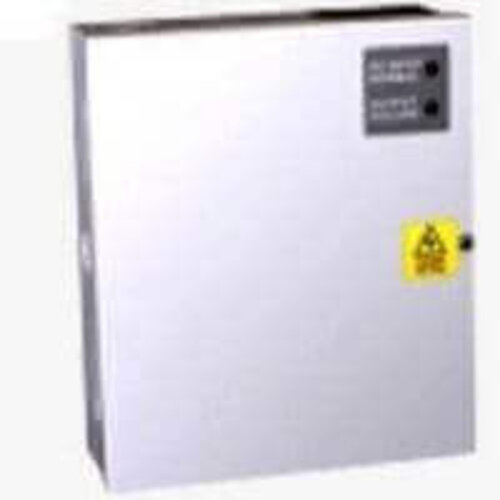
Haydon Switch Mode Boxed PSU - 200mm x 240mm x 75mm 1 Output 2A 12V DC
12V DC 2A switch mode power supply for security and access control
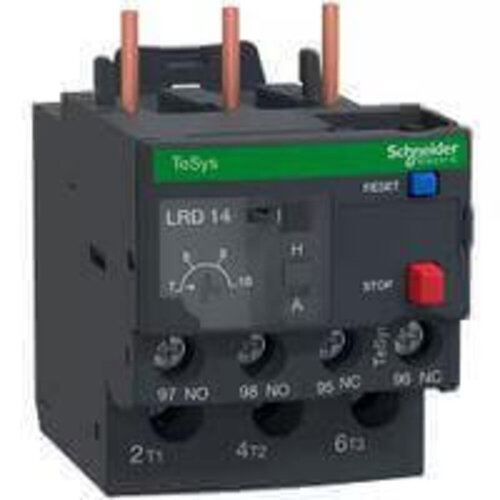
Schneider Electric Thermal Overload Relay TeSys Deca Range - 7A-10A
7-10A thermal overload relay for motor protection, direct contactor mounting.
For the Trade
Start with the space you’ve got and how the kit will be used, then the rest of the spec usually falls into place. Tight layouts call for industrial controls that keep the arrangement simple and leave room for wiring and future changes. With more room, industrial control panels make fault-finding and additions easier. Finish and accessories come after that. That is where jobs go wrong. People buy for the label, then find the panel does not suit the way the machine or process needs to run.
Types of Industrial Controls
Industrial controls usually come down to a simple industrial control panel for one machine or a small set of functions, or fuller industrial control panels when you need more devices, clearer segregation and easier fault-finding later.
If the job is straightforward, lighter industrial control gear keeps the build leaner and the panel easier to follow. Once you add industrial control relays, switches and modules, the layout matters more than the label on the front.
That is when you move up to a more complete control panel instead of trying to cram everything into a basic one. If you’re matching the rest of the scheme, check the parent Power Distribution & Circuit Protection range first, then pick the format that fits the amount of control you actually need.
Selection Factors for Industrial Controls
What usually decides it is how much is going into the control panel and how much room you’ve got to work with. A simple layout suits a basic machine or a straight replacement. Go busier when you need clearer segregation, easier fault-finding, or room for later changes.
Tighter builds save space and enclosure size, but they leave less room once the job grows. If you’re adding accessories around the panel, Consumer Unit Accessories is the next stop. If the job is moving into a wider supply arrangement, 3 Phase Distribution is usually the better fit.
Finish the Room
Once the industrial controls are chosen, the next call is usually the enclosure and the bits around it. A decent control panel saves grief later if you allow for wiring, heat and future additions. A cramped build is where a tidy job turns into rework.
If the panel is going into a busier plant area, check access and segregation before you order the rest of the industrial control gear. If it sits within a wider scheme, look at the surrounding distribution and the consumer unit accessories at the same time. That is where mismatches tend to show up on site.
Local availability for Industrial Controls


