Isolation Switches
When you’re choosing isolation switches, start with what needs isolating and how often it’ll be operated. A rotary isolator suits heavier-duty kit and gives a clear, positive action. A fused isolator switch adds local protection as well as isolation. Double pole versions are usually the call on single-phase work because they take both live and neutral out together. Single pole only makes sense where the spec allows it. Weatherproof and lockable options suit outdoor installs or kit that needs to stay off.
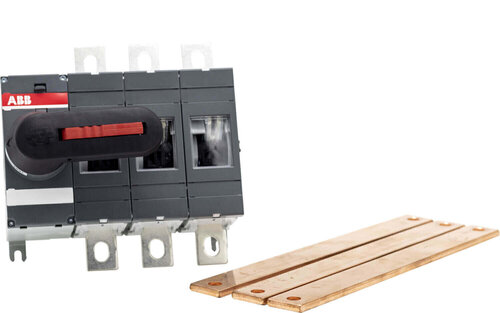
Eris Industrial 315A 3 Pole Moulded Case Switch Incomer Kit
315A 3-pole moulded case switch incomer kit
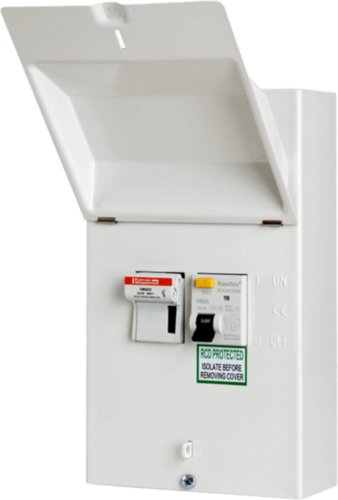
FuseBox SF0100RA 100A Fused Switch with 100mA Type A RCD Time Delayed - Includes…
100A metal fused switch with 100mA Type A time-delayed RCD, includes fuses
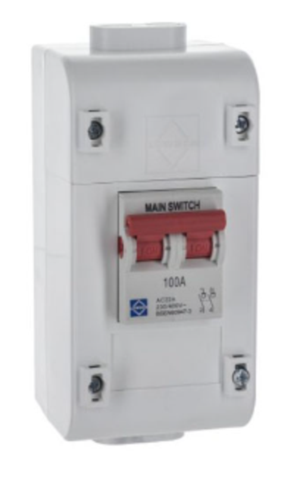
Lewden 2 Pole Electricity Meter Isolator Switch - 100A
100A 2 pole electricity meter isolator switch with IP20 rating
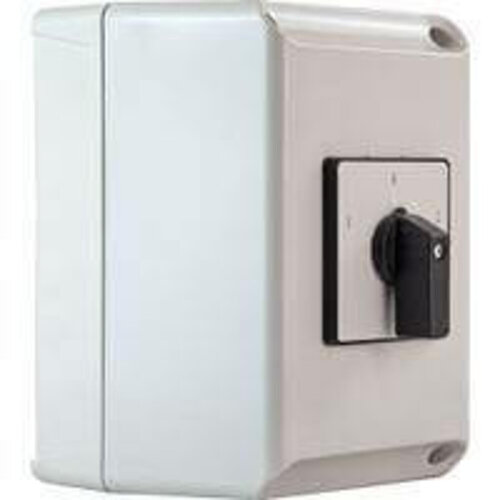
Ali Industries Enclosed Changeover Switch - 100A 2 pole polycarbonate surface mo…
100A 2 pole IP65 polycarbonate enclosed changeover switch
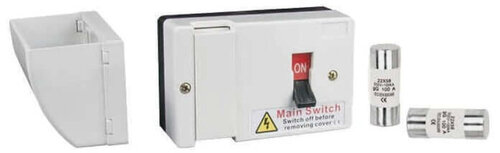
Live Electrical LFIS100 100A Switchfuse - With 80A and 100A fuse and shroud
100A switchfuse with 80A and 100A fuses, non-combustible bakelite material
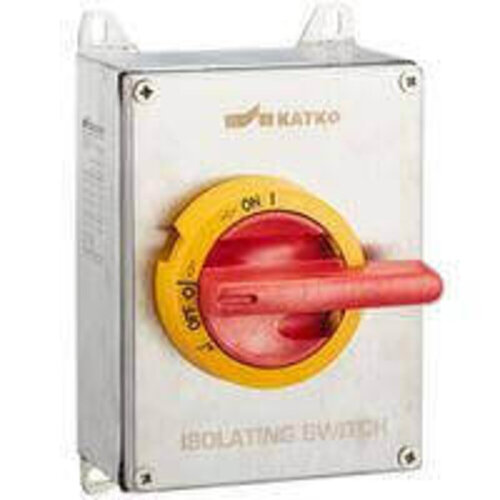
Katko Enclosed Safety Isolator Switch - 40A 3 pole stainless steel IP69K
40A 3-pole safety isolator switch in stainless steel, IP69K
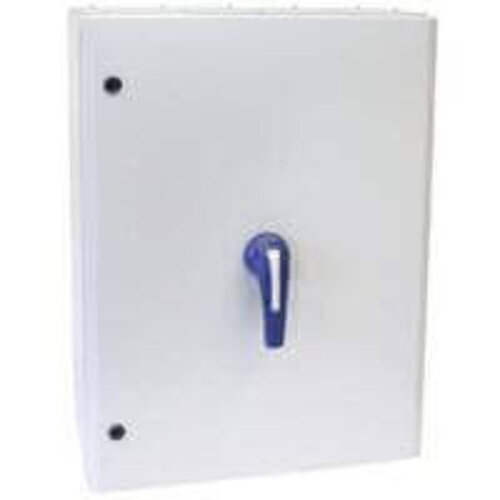
ALI Industries 400A Changeover Switch 3 Pole + Neutral IP65 - Grey
400A 3-pole changeover switch with switched neutral in an IP65 enclosure
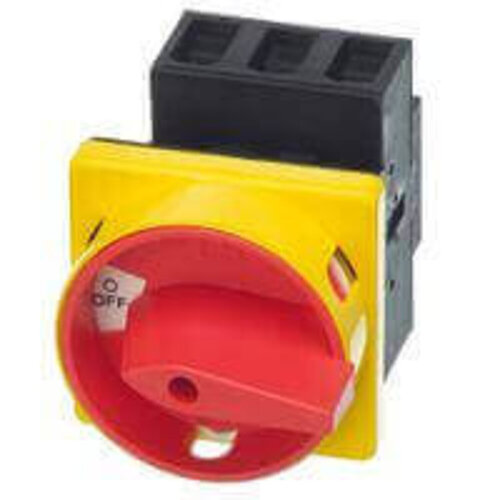
ALI Industries Panel Mount Switch Disconnector - 40A, 3 pole
40A 3-pole panel mount switch disconnector for electrical isolation
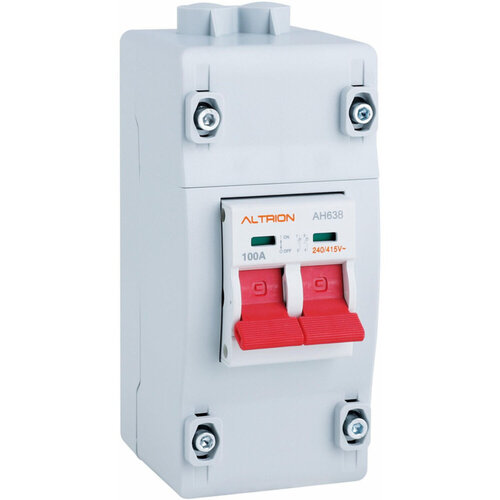
Altrion Meter Supply Switch - 100A DP 2 Module
100A double pole meter supply switch, lockable and IP20 rated
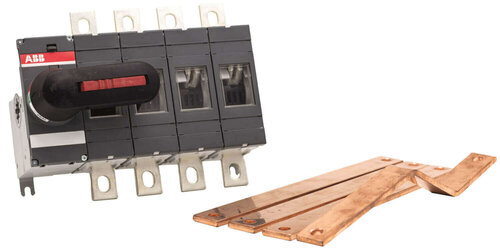
Eris Industrial MC Switch Incomer Kit - 200A 4 Pole
200A 4-pole incomer switch kit for main circuit isolation
For the Trade
Start with the space you’ve got and how often it’ll be used. That usually decides more than finish or pattern. In tight cupboards or crowded boards, a compact isolator switch is easier to work with than a bulky one that pushes the cables out. If you need local protection as well as isolation, a fused isolator switch makes sense, but you lose a bit of simplicity and size. For heavier-duty kit, a rotary isolator switch is often the one you reach for when it’ll be operated regularly. A plain mains isolator switch is fine where the spec is straightforward and access is easy.
Isolation Switches Options Compared
Rotary isolators suit jobs where the switch will see regular use or the load is awkward to interrupt cleanly. A plain isolator switch is the simpler, cheaper answer for straightforward shut-off points.
A fused isolator switch makes sense when you want local protection built in. You give up a bit of simplicity, and it usually takes more space in the enclosure.
On single-phase work, a double pole isolator switch is the better fit where you want both conductors taken out together. If you’re matching the rest of the board or control gear, keep an eye on the wider Power Distribution & Circuit Protection setup rather than buying the nearest switch and hoping it fits the job.
A switch isolator with a rotary layout is the one to pick when you want a positive, easy-to-grip action on plant or equipment that gets isolated often; the trade-off is a bulkier front and usually a bit more enclosure depth. A compact inline isolator suits a neater, simpler fit where space is tight and the job is just clean shut-off, but it is less forgiving if you need frequent operation.
Choosing Materials and Size
The first call is how the circuit needs to be broken and whether you want local protection as well. A rotary isolator switch suits gear that gets regular use or a load that feels more demanding, because the action is usually more positive than a basic toggle.
If you need the switch to do more than isolate, a fused isolator switch adds that extra layer. The trade-off is size. It takes up more space and is not always the neatest fit.
For straightforward single-phase work, a double pole isolator switch is usually the cleaner pick. If you’re building out a board, Consumer Unit Accessories are often bought at the same time. If the job moves into larger supplies, 3 Phase Distribution is the next place to look.
Completing the Setup
Once you’ve picked the right isolation switches, the next call is the surrounding kit that keeps the job tidy and serviceable.
On a board or panel, check the enclosure space and gland entry first. If the isolator sits in a tight run of gear, a separate screen or accessory can keep it easy to reach. On plant or external runs, weatherproof housings and lockable hardware matter more than a neat faceplate. That’s where you avoid call-backs if the switch is awkward to operate or left exposed.
Local availability for Isolation Switches








