MCBs
An mcb comes down to three things: the load, the fault level you expect, and whether you need single or double pole. For ordinary final circuits, a type b mcb is often the first pick. Where inrush is higher, a type c mcb is the one to reach for. A double pole mcb isolates both poles together, while ratings like 6a, 16a and 32a should match the circuit, not the board label.
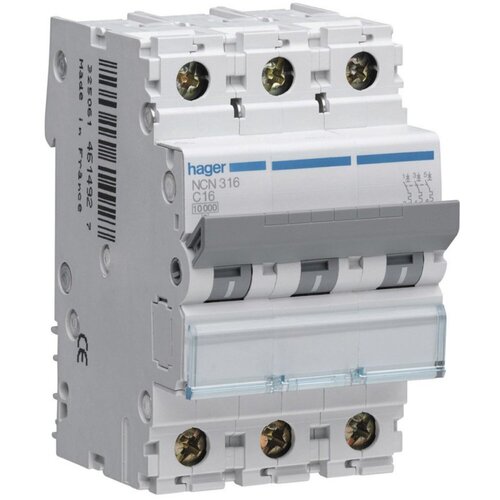
Hager MCB - 25A 3 pole C curve 10kA/15kA
Hager 25A 3-pole C curve MCB, 10kA/15kA
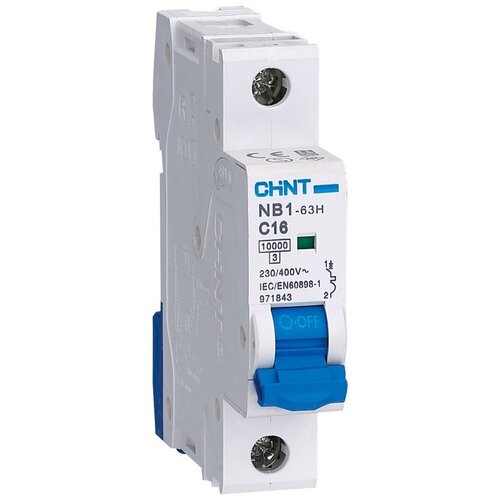
Chint NB1 MCB - 20A, 1 pole, B curve, 10kA
20A single pole B curve MCB, 10kA
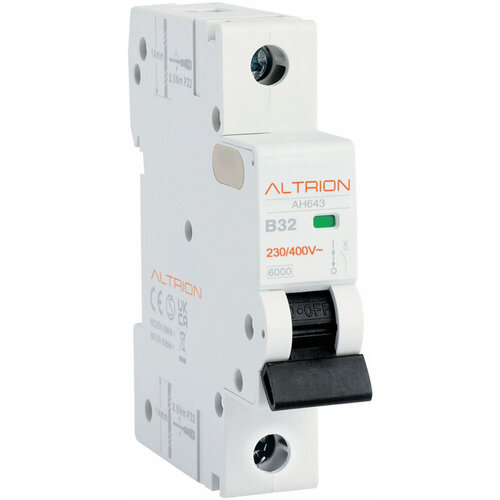
Altrion SP MCB B Curve - 32A
32A SP MCB B Curve, 6kA, IP20, for domestic circuit protection.
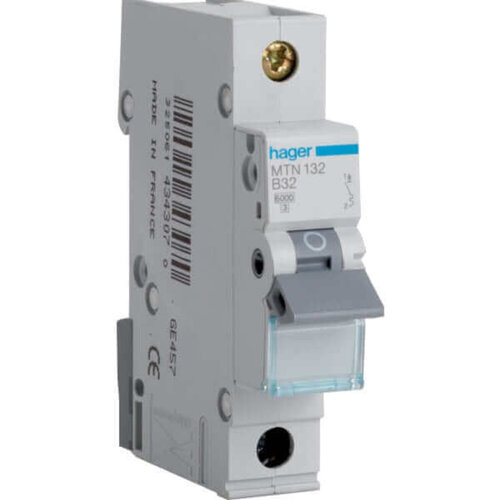
Hager Single Pole Miniature Circuit Breaker - 10kA C curve 63A
Single pole MCB for circuit protection against short circuits and overload, 10kA…
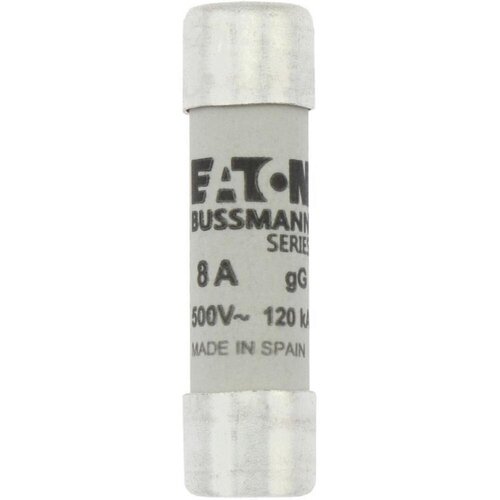
Eaton Industrial Fuse - 10mm x 38mm, 8A, 500V, 120kA
Eaton 8A industrial fuse 10mm x 38mm 500V
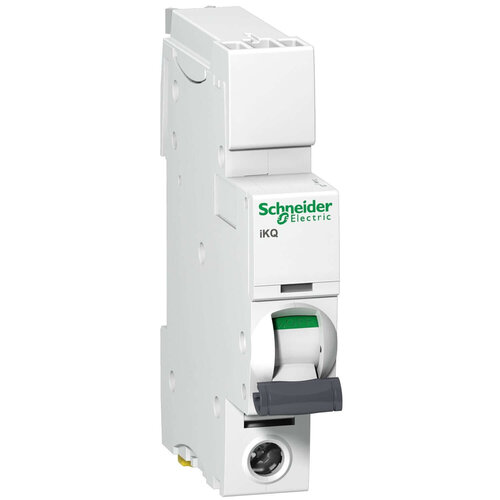
Schneider Electric iKQ MCB - 1P 40A C Curve
Acti9 iKQ 1P 40A C Curve miniature circuit breaker, lockable, DIN rail mount
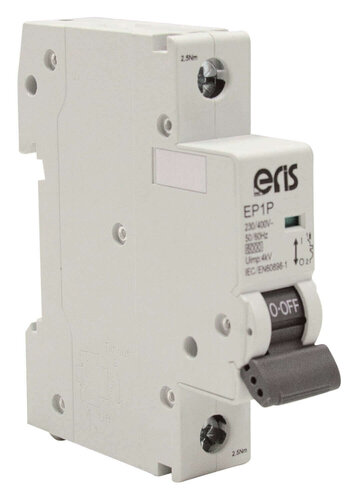
Eris Pro MCB - 25A B curve 6kA
Eris Pro MCB, 25A B-curve, 6kA breaking capacity
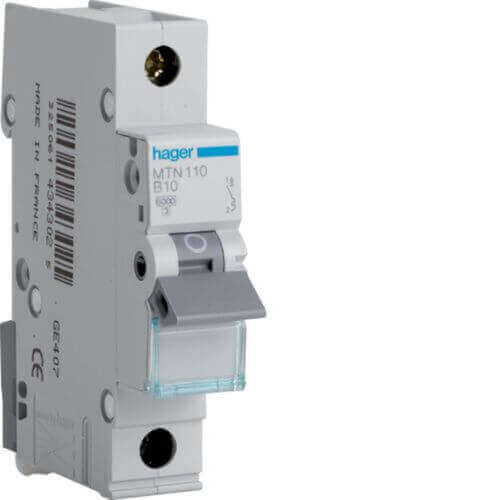
Hager MCB Type B - 10A 6kA single pole
Type B single pole MCB, 10A, 6kA, 1 module
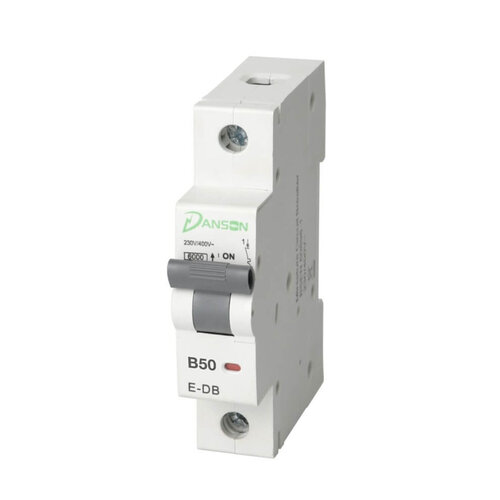
Danson MCB 6kA SP Single Module B Curve 50A 230V AC
Danson 50A B Curve single-pole MCB, 6kA breaking capacity, 230V AC
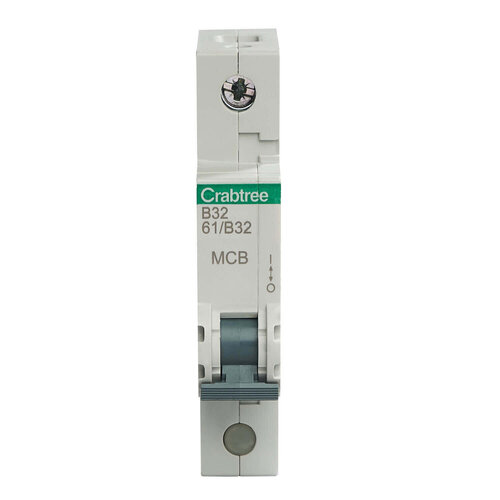
Crabtree 61/B32 Starbreaker 32A Single Pole B Curve 6kA MCB
Crabtree Starbreaker 32A single pole B curve 6kA MCB, energy limiting Class 3
For the Trade
Start with the space you’ve got and how the circuit will be used, then the mcb choice usually sorts itself out. If the board is tight, physical layout comes first. A neat spec is no use if it leaves you short on room for the rest of the gear. After that, look at the load and how it behaves on start-up. A type b mcb suits the quieter end of the job. A type c mcb is the one you reach for when the circuit has more inrush. A double pole mcb takes more space, but it keeps both poles together when that matters.
Popular MCB Formats
When you’re choosing an MCB, start with how the circuit behaves, not just the label. A single pole mcb is the usual pick for straightforward single-phase circuits where you only need to break the live. A double pole mcb takes both poles out together, so it suits jobs where that extra isolation matters.
For trip curves, type b mcb suits lighter, steadier loads. Type c mcb is the better fit where you expect more inrush at switch-on. The trade-off is simple. A more tolerant curve can cut nuisance trips, but it moves you away from the tighter protection some jobs call for.
If you’re matching a board spec, keep the choice in line with the rest of the Power Distribution & Circuit Protection setup.
Key Differences When Choosing
The first check is the circuit and the board space. That tells you whether a plain MCB will do or whether you need something with more room around it.
After that, look at the load. A type b MCB suits steadier circuits. A type c MCB is the better fit where start-up current is more likely to nuisance-trip a lighter curve.
If you're working in a board with matching accessories or a tidy replacement job, Consumer Unit Accessories are often bought at the same time. That saves you going back for blanks, labels or fixings.
For anything beyond single-phase work, or where the supply arrangement changes the layout, 3 Phase Distribution is the next check.
Next Decisions After Choosing
Once you’ve picked the MCB, the next call is usually the board and the parts around it. If you’re changing a full enclosure, consumer unit accessories and consumer unit device kits save time. You are not chasing separate blanks, labels and fixings later.
On a bigger distribution board, the layout matters more than the breaker itself. That is where 3 Phase Distribution or commercial power distribution comes into play. On tighter domestic work, the usual snag is simpler: the breaker is right, but the enclosure or spare ways are not.
Related searches
Local availability for MCBs









