RCBOs
RCBOs are the usual call when you want fault protection and overcurrent protection on the same way, so you are not relying on a shared device to take out the whole board. Choose the pole count, trip type and breaking capacity to suit the circuit and board spec. Most call-backs come from fitting the wrong format for the enclosure, or from treating every circuit the same when the load and arrangement are different.
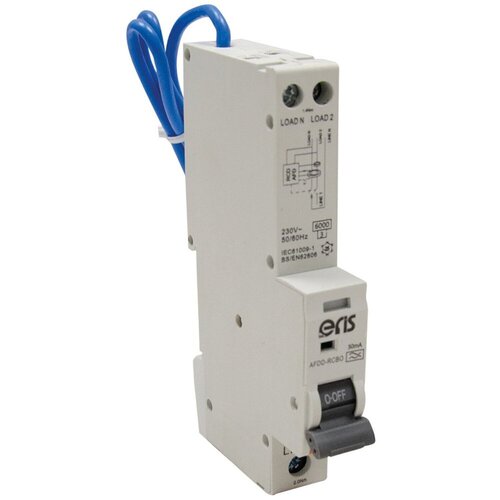
Eris Consumer RCBO with AFDD - 40A 1 pole + neutral B curve Type A 6kA
40A 1P+N B Curve Type A 6kA RCBO with AFDD
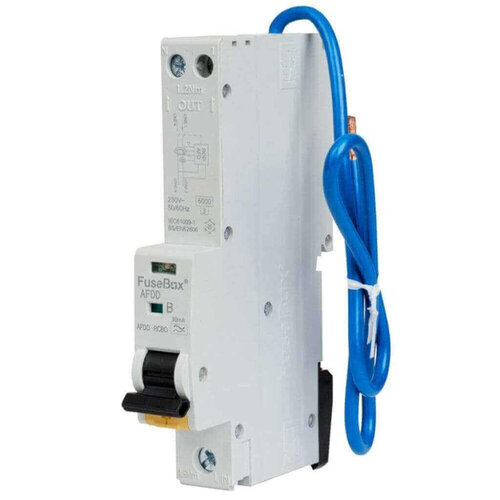
Fusebox AFDD RCBO - 6A 30mA 1P+N Type A
Fusebox 6A 30mA 1P+N Type A AFDD RCBO arc fault detection device
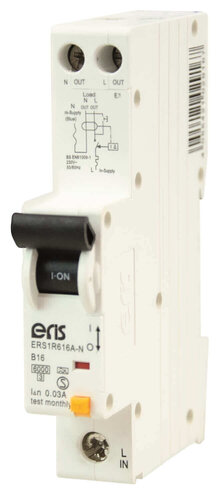
Eris Consumer RCBO Compact - 1 pole 30mA 20A B curve A type 6kA version 2
1 pole 20A B curve RCBO, 30mA type A, 6kA
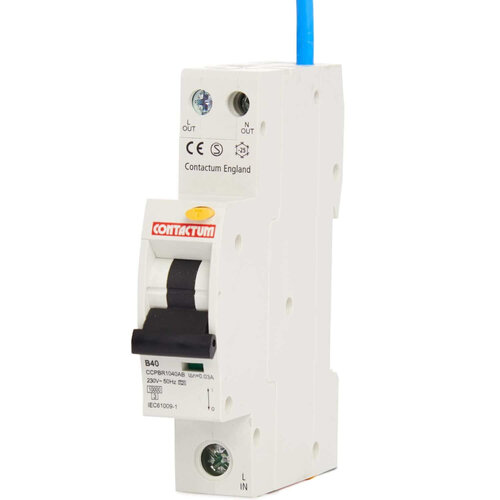
Contactum Defender 1.0/2.0/B Ranges 40A 10kA Class A Type B SP Compact RCBO With…
40A 10kA Class A Type B SP compact RCBO
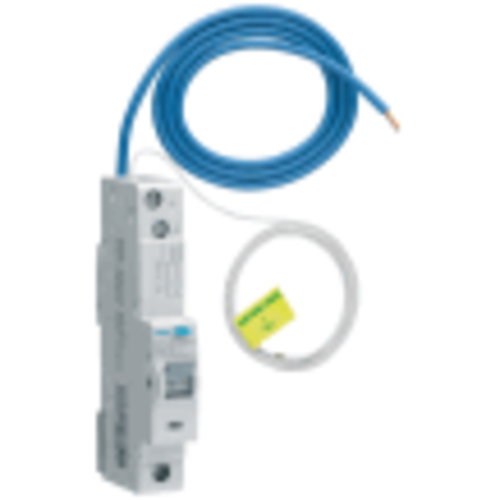
Hager RCBO - SP A B 32A 30mA 10kA
Single-pole Class A Type B RCBO, 32A, 30mA, 10kA
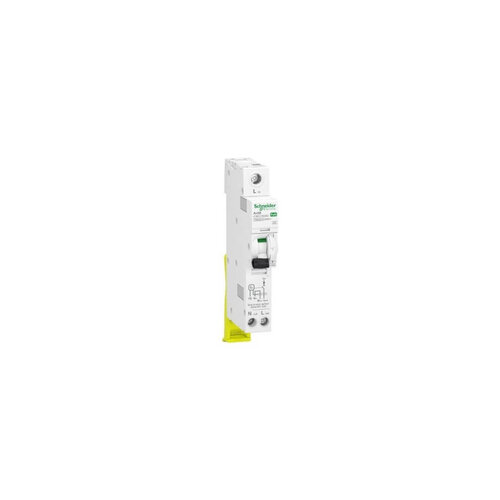
Schneider Electric Acti9 iC60H PoN RCBO - 40A C 30mA
40A C 30mA RCBO from Schneider Electric Acti9 iC60H PoN range
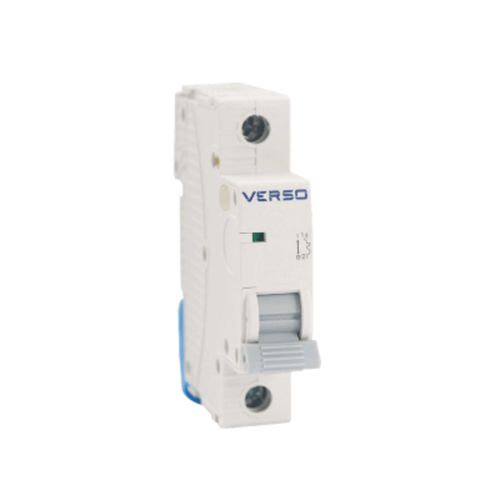
Premspec RCBO SPN - 50A 30mA Class A Type B
Premspec RCBO SPN, 50A 30mA Class A Type B
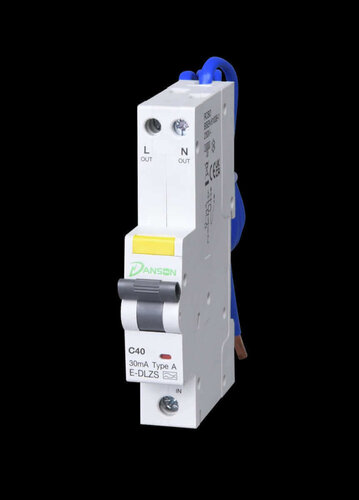
Danson Space Saving RCBO - 10kA 40A 30mA 1P+N C Curve Type A
Danson space-saving RCBO, 10kA, 40A C-curve, 30mA Type A, 1P+N
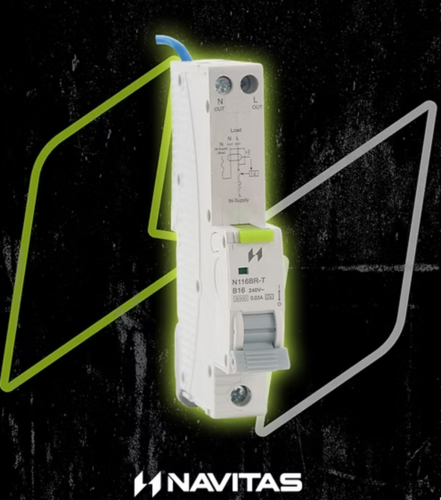
Navitas Type A SP RCBO - B16A 30mA
16A 30mA Type A SP RCBO, 1-module
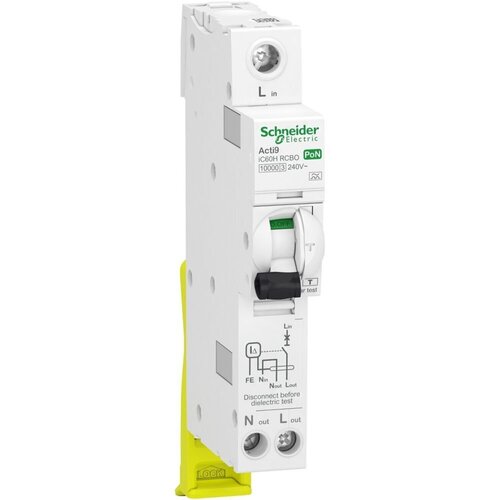
Schneider Electric Acti9 RCBO - 20A, 1 Pole + Neutral, C Curve, Type A, 10kA
Acti9 20A 1P+N RCBO, C curve Type A, 10kA breaking capacity, 2-way.
For the Trade
Start with the space you’ve got in the board and how the circuit will be used. That usually narrows RCBOs faster than anything else. A cramped layout can rule out a larger body or awkward terminal arrangement. The wrong pole count causes trouble later if the circuit needs a different switching arrangement. After that, check the trip characteristic and breaking capacity against the job, not just the label on the front. Most of the swaps I see come from matching the device to the board size, then finding it doesn’t suit the actual circuit once the work’s underway.
Popular RCBO Formats
A single pole RCBO suits the common domestic setup where you want one circuit isolated cleanly. A double pole RCBO, or 2 pole RCBO, fits circuits that need both conductors switched together.
Type A RCBOs are the usual pick on modern loads with electronics. Type AC still appears on simpler circuits, but it is less often the first choice now.
If you are weighing an RCBO breaker against a combined RCD MCB or RCD MCB combo, the RCBO keeps one fault from taking out the rest of the board. That gives you tighter selectivity and less disruption on the board. Power Distribution & Circuit Protection
Key Differences When Choosing
What usually decides it is the circuit and the board, not the label on the front. For simple circuits, a single pole rcbo is often enough. If you need both conductors switched, a 2 pole rcbo or double pole rcbo is the usual call. It takes more space and usually costs more.
Type A rcbo is the better fit where the load is less predictable. Type AC still turns up on simpler legacy jobs. If you are building out a board, check the layout against Consumer Units. If the circuit is being controlled rather than just protected, you may need Contactors instead.
Next Decisions After Choosing
Once you’ve picked the RCBOs, the next call is what still needs to sit in the board and what has to be finished off on site.
A tidy board build usually comes down to the right consumer units and the right consumer unit accessories. A cramped enclosure or a missing blanking piece slows the job later. If the install needs more control gear, contactors are the next stop. If it’s only the final board-out, keep the layout simple and use the parts that suit how the circuit is being split.
Related searches
Local availability for RCBOs









