RCDs & RCCBs
RCDs usually come down to what the circuit is feeding and how much discrimination you need with the rest of the board. A type A RCD is often the first check on modern mixed-load jobs, while a type AC RCD still turns up on simpler circuits where the spec allows it. If you are replacing like for like, check the existing arrangement before you order. The wrong residual current device is the one that gets sent back.
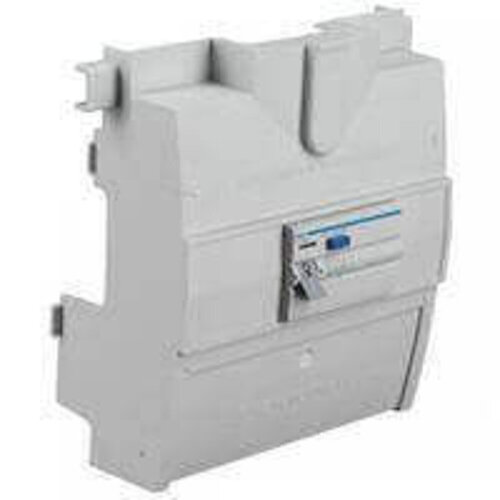
Hager RCCB Incomer Kit - 100A 30mA 4 Pole
Hager 100A 30mA 4-pole RCCB incomer kit for 125A boards
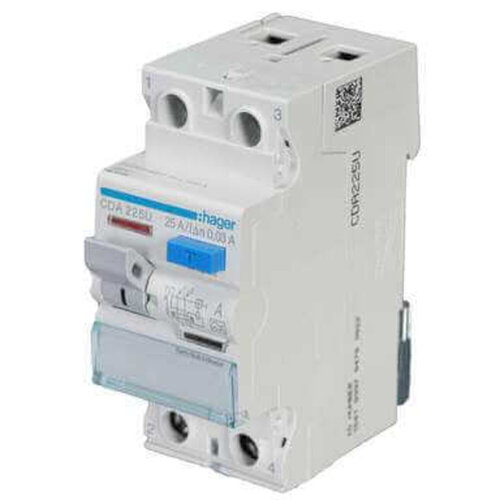
Hager 25A RCCB, 2 Pole, A Class, 30mA, 6kA
25A RCCB, 2 pole, A class, 30mA trip, 6kA breaking capacity
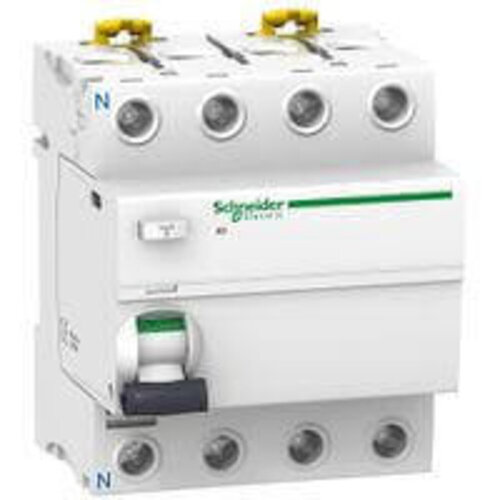
Schneider Electric Acti9 IID RCCB - 63A Type AC 4 pole DIN rail
63A Type AC 4-pole RCCB for DIN rail mounting
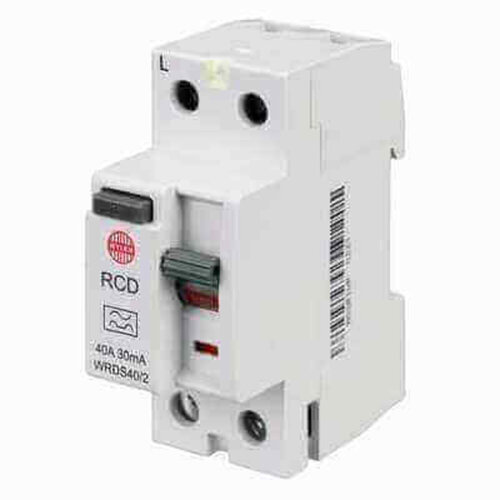
Wylex Type A RCD - 40A 30mA 2 pole 2 module
Wylex 40A 30mA double pole RCCB, Type A, 2 module width
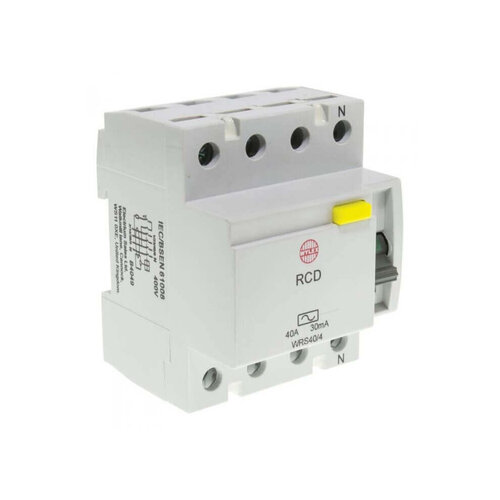
Wylex 40A 30mA Four Pole RCD Type A
40A 30mA four pole Type A RCCB for Wylex NH distribution boards
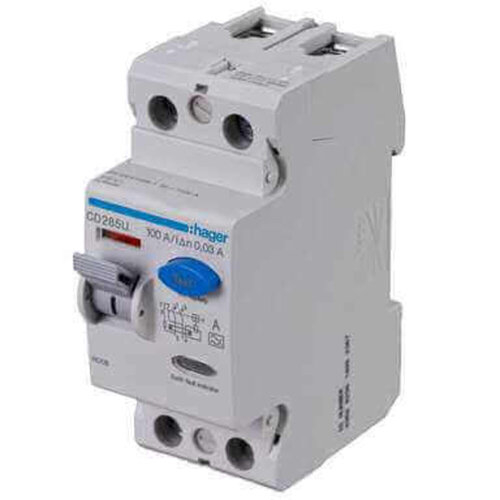
Hager 2 Pole 100A 30mA Type A RCD
Hager 2-pole Type A RCD, 100A rated current, 30mA tripping current.
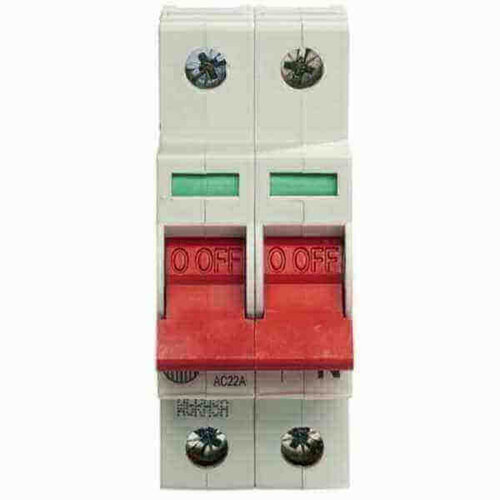
Wylex Incomer Devices - 100A DP WS102
100A DP incomer device, model WS102
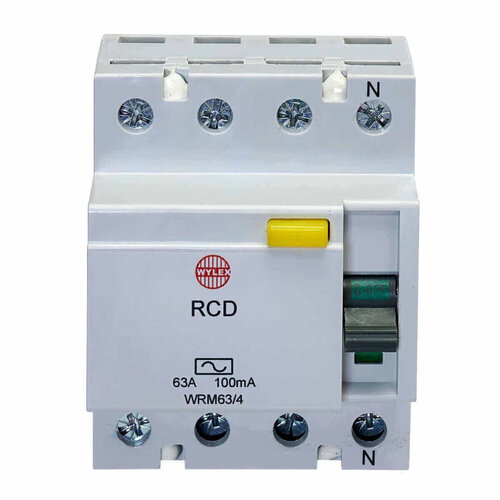
Wylex RCD - 63A 100mA 4 Pole
63A 100mA 4-pole Type AC RCD for Wylex NH distribution boards
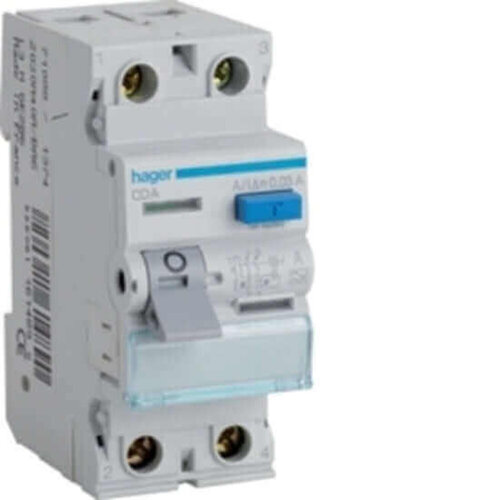
Hager 2 Module Double Pole Type A RCD - 63A 30mA-40A
Double pole Type A RCD, 63A 30mA, for earth fault protection
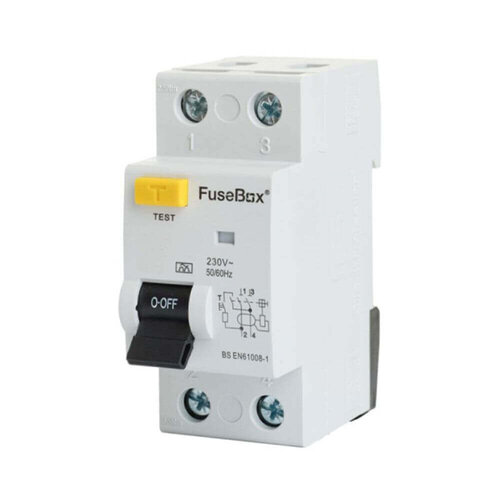
Fusebox Double Pole Type A RCD - 80A 2 Module 100mA
80A 100mA Type A double pole RCD, 2 module width
For the Trade
Start with the space you’ve got and how the circuit will be used, because that usually decides the unit before you get into finishes or extras. On a tight board, a compact option saves grief. On a busier layout, you want the arrangement that leaves room to work without crowding the rest of the gear. For mixed-load circuits, a type a rcd is usually the safer call. A type ac rcd still suits simpler jobs where the load is straightforward. The call-back jobs tend to come from specs chosen for convenience, not the actual use.
Types of RCDs & RCCBs
RCDs usually come down to what the circuit is feeding and how much discrimination you need with the rest of the board. A residual current circuit breaker suits jobs where you want the protection built into the device. Standalone residual current devices work when the protection is handled elsewhere.
Type A RCDs are the better fit for mixed electronic loads because they cope with more than the plain AC pattern. A type AC RCD still has a place on simpler circuits if that is what the spec calls for. Back at the wider Power Distribution & Circuit Protection setup, the choice is between one device doing the job or a separate arrangement with more flexibility.
Selection Factors for RCDs & RCCBs
The first check is what the circuit is feeding and how much room you’ve got in the board. On mixed loads or anything with electronics, a type A RCD is usually the safer pick. Type AC RCDs still have a place on simpler circuits, but they drop out once the load gets less straightforward.
If you need the protection built into the device, an RCCB will not do the same job as a combined unit. Check what the board needs before you order. For the bits around the board, Consumer Unit Accessories are often bought at the same time. If the job sits in a larger supply arrangement, 3 Phase Distribution is the next place to look.
Finish the Room
Once you’ve picked the RCDs, the next call is usually the board and the bits around it. A tidy consumer unit layout saves grief later. A cramped board makes testing awkward, and future swaps take longer than they should.
If the job needs a fuller distribution setup, move across to 3 Phase Distribution rather than trying to force it through a standard arrangement. For the smaller details that finish the board properly, Consumer Unit Accessories covers the blanks, covers and fixings that keep the install neat.
Local availability for RCDs & RCCBs





