SPDs
Surge protection devices come down to the supply you’re protecting and how much room you’ve got in the board. A type 2 surge protection device is the usual pick for most standard installs. Where the incoming supply needs heavier-duty protection, a type 1+2 unit makes more sense. If space is tight, the layout matters as much as the rating, and a compact module is easier to work into a crowded consumer unit than a larger assembly.
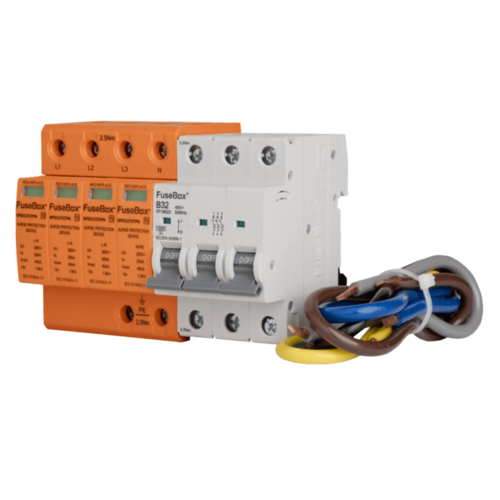
Fusebox TPN T2 Surge Protection Device Kit 3P+NPE with Cables+3P B32 MCB
Three-phase Type 2 surge protection kit with 3P+NPE SPD and B32 MCB for 125A boa…
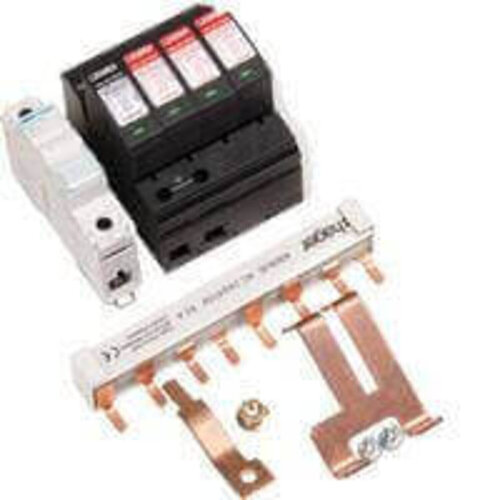
Hager Type 1 & 2 Surge Protection Kit for 125A TP&N Boards
Type 1 & 2 surge protection kit for 125A TP&N boards
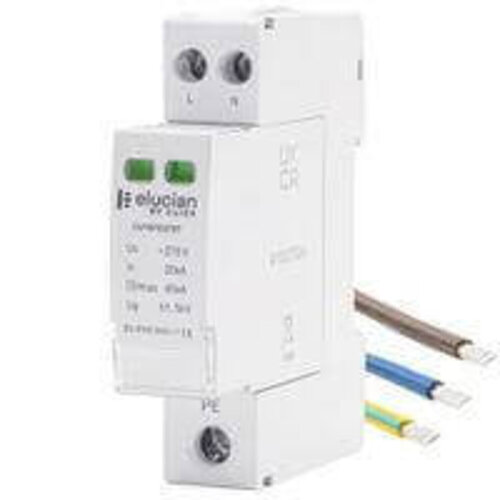
Elucian Type 2 SPD with Tails - 1 Pole, 275V, 40kA
Type 2 surge protective device, 1 pole, 275V, 40kA with tails
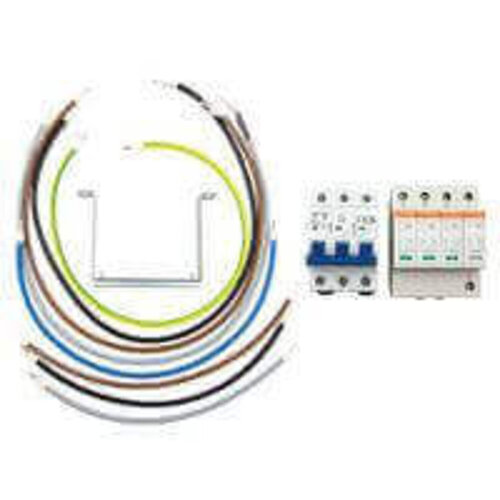
ALI Industries Panel Board Surge Protection Kit with Type 2 Surge Arrester
Type 2 surge protection kit for panel board electrical systems
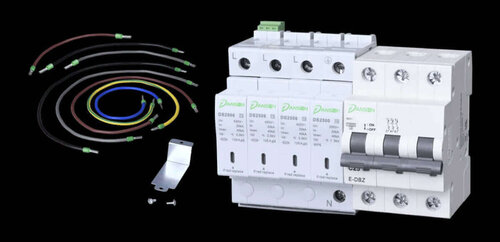
Danson Surge Protection Device Kit - 125A T2 for 3P Incomer, incl. DSY253N6R, 12…
125A Type 2 surge protection kit for 3P incomers, includes SPD and 10kA MCB
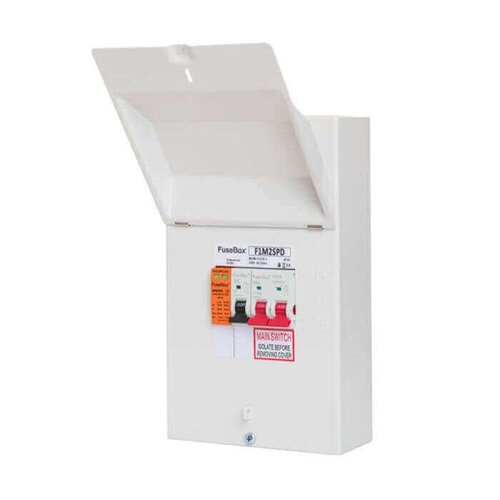
Fusebox F1M2SPD Retro Fit T2 SPD & 100A Main Switch
Retro-fit Type 2 SPD with 100A main switch, 230V
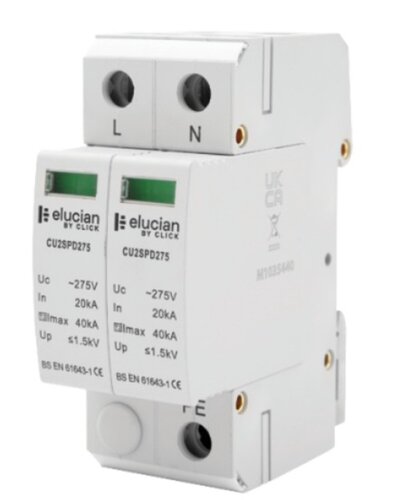
Click Elucian 2 Pole Type 2 SPD - 275Uc 40kA
2-pole Type 2 SPD rated 275Uc 40kA
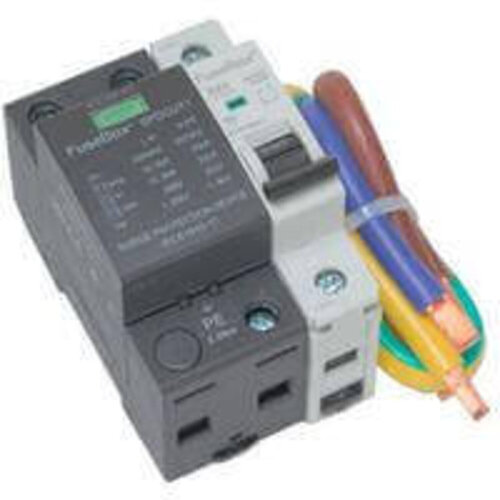
Fusebox T1, T2 and T3 SPD with MCB
Type 1 surge protection device kit with 63A MCB and cables
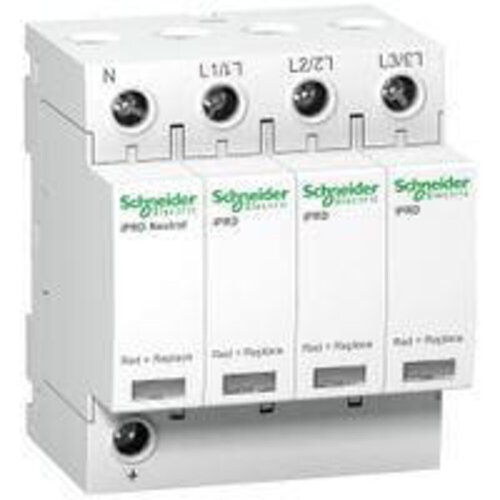
Schneider Electric Acti9 Iprd Surge Arrester with Pluggable Cartridge - 3 pole +…
Schneider Acti9 Iprd type 2 surge arrester, 3P+N, pluggable cartridge
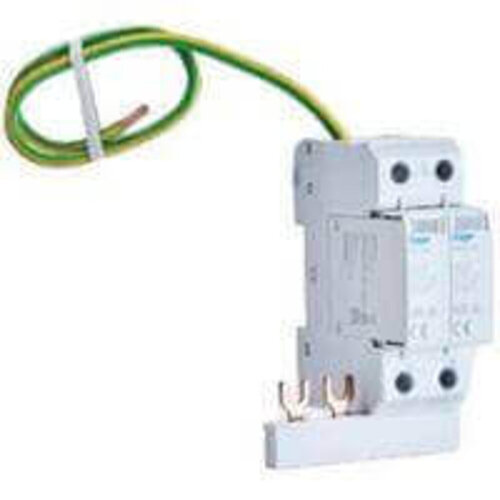
Hager Consumer Unit Surge Protection Kit Type 2
Type 2 SPD kit for Hager consumer units, compatible with common UK earthing arra…
For the Trade
Start with the board layout and what’s already in the job, then work back from there. With surge protection devices, the wrong pick is usually the one that doesn’t fit cleanly or forces extra rearranging in the enclosure. After that, check the supply and the level of protection the job actually calls for. A basic mains surge protector suits straightforward work. A combined unit makes more sense when you need broader coverage and fewer separate parts. In practice, the neatest option is often the one that keeps the board simple and leaves room for the rest of the circuit protection.
Types of SPDs
The main split is between a separate surge protection device and a plug-in surge protection module. A separate unit suits a tidier board and makes replacement easier later. A module works better when space is tight and you want the protection sitting with the rest of the kit.
Type 2 surge protection devices are the usual call for standard distribution boards. A type 1 surge protection device or a type 1+2 surge protection device comes into play where the incoming supply and risk level justify it. The trade-off is simple. More coverage usually means more cost and a bit more to think about at selection. If you’re working from the wider Power Distribution & Circuit Protection range, board layout and incoming supply decide the format.
Selection Factors for SPDs
Start with what the board is feeding and how much room you’ve got. On a straightforward single-phase job, a compact surge protection device is usually the cleanest fit. Once the supply or the spec gets heavier, the layout often needs to change with it.
Consumer Unit Accessories also matters here. The board arrangement can decide whether you want a separate unit or something integrated. If the job is on a larger supply, 3 Phase Distribution is the other place to look, because the protection choice changes with the system, not just the device.
Finish the Room
Once the SPDs are chosen, the next call is usually the board build around them. If you’re fitting them into a new or upgraded board, consumer unit accessories and the right enclosure layout matter more than most people think. A cramped board turns a straightforward fit into a fight for space.
On larger installs, the surrounding distribution gear can change what fits cleanly. Check the board, the spare ways and any add-ons before you commit. That way you’re not forcing a good surge protector into a poor arrangement.
Local availability for SPDs







