Decorative Switches & Sockets
When you’re choosing decorative switches and sockets, start with the finish and the room spec, then decide whether you need a matching plate across the job or just a single replacement. Brass, chrome, brushed steel and black all change the look, but they also change how forgiving the face is once it’s been handled a few times - polished finishes show marks sooner, while brushed and matt options are less fussy. White still does the job on plain, price-led installs. For feature rooms, the plate finish usually sets the tone.
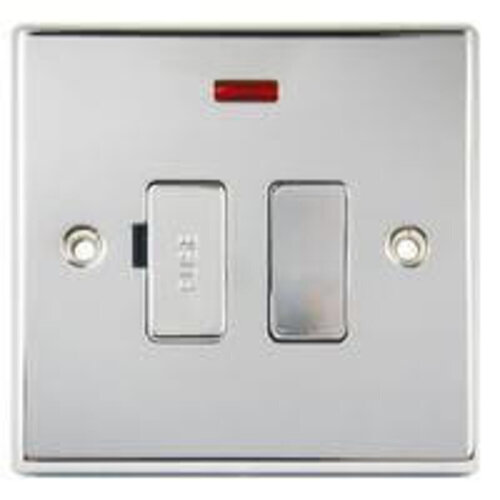
Wireplast 13A Double Pole Switched Fused Connection Unit with Neon Decorative Ra…
13A DP switched fused connection unit, polished chrome with neon, 1 gang.
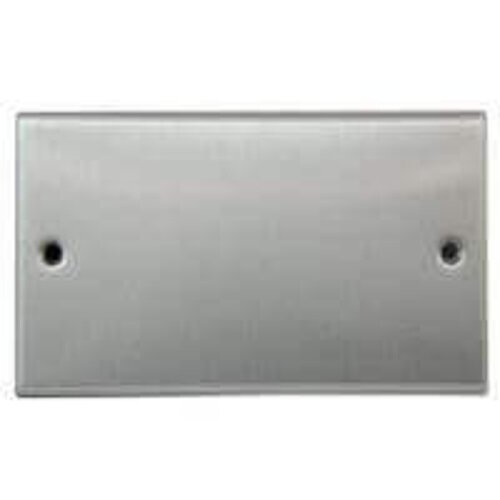
Wireplast Blanking Plate Decorative Range - 2 Gang Satin Steel
Wireplast Decorative Range blanking plate, 2 gang, satin steel
Knightsbridge Sf8360Bc Blanking Plate 2 Gang
Screwless 2 gang blanking plate, brushed finish
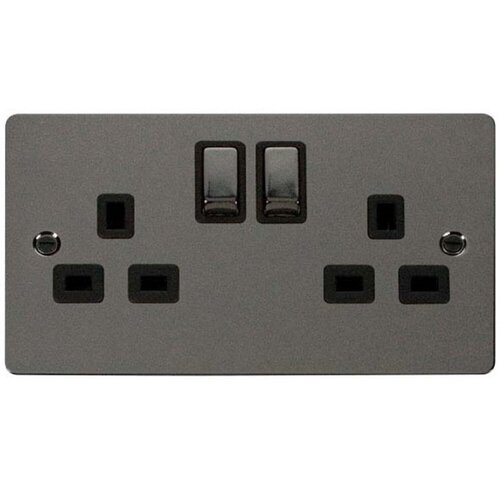
Click Define 13A 2 Gang Double Pole Switched Socket with Black Insert - Black Ni…
13A 2 gang double pole switched socket with black insert, black nickel finish
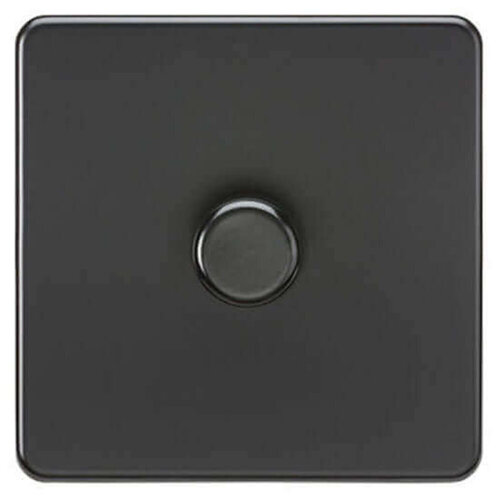
Knightsbridge Screwless Trailing Edge Dimmer - Matt black
Screwless trailing edge dimmer switch, matt black, 1 gang
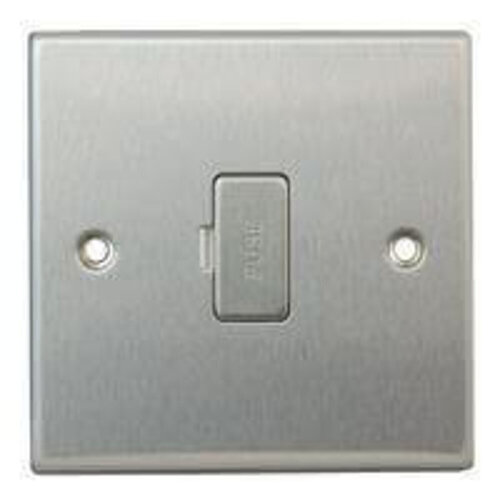
Wireplast 13A Unswitched Fused Connection Unit, 1 Gang, Decorative Range - Satin…
Wireplast 13A unswitched fused connection unit, 1 gang, satin steel with white t…
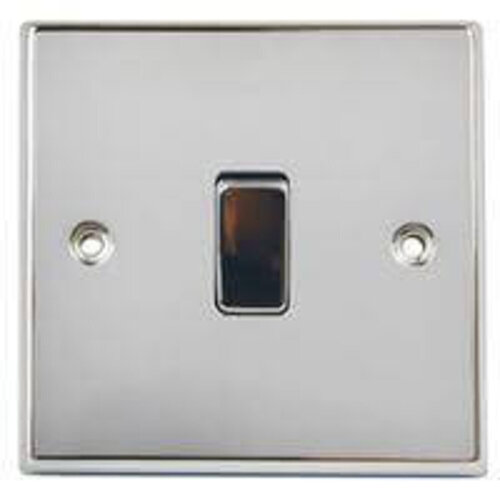
Wireplast 10AX Intermediate Light Switch Decorative Range - 1 Gang Polished Chro…
10AX intermediate light switch, 1 gang, polished chrome, 86mm x 86mm
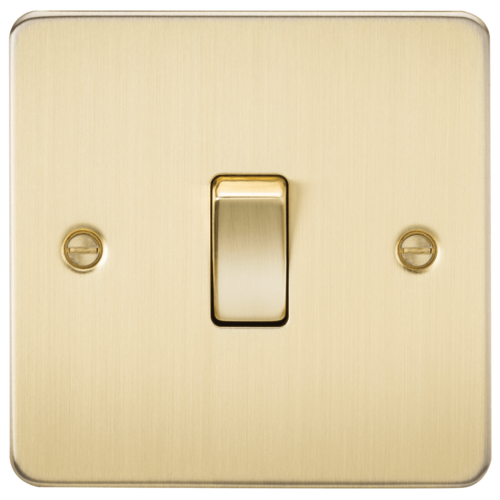
Knightsbridge FP2000BB Flat Plate 10AX 1G 2 Way Switch - Brushed Brass
1-gang 2-way flat plate switch in brushed brass
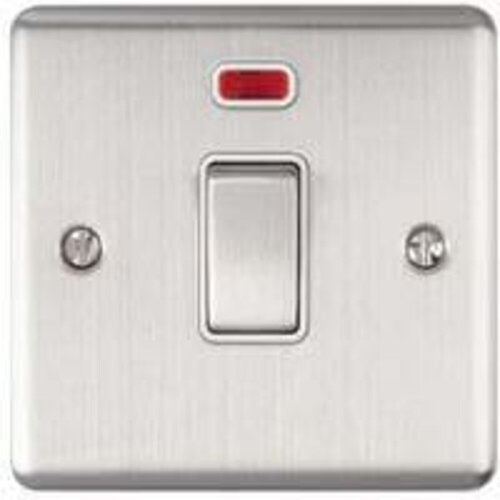
Eurolite Enhance Range Double Pole Switch with Neon - 20A 1 Gang Stainless Steel…
20A 1-gang double pole switch with neon, stainless steel white trim
Knightsbridge Shaver Socket - 115/230V
Screwless shaver socket with 115V and 230V outputs.
For the Trade
You usually narrow decorative switches and sockets by the room spec first, then by the finish that fits the rest of the job. On a clean refurb, white or brushed steel usually keeps the plate quiet against the wall. In higher-end rooms, black, brass or chrome is often picked because the plate is meant to be seen. Decorative wall plates and decorative electrical fittings come into the same decision. The bit that catches people out is mixing ranges. The face may look right, but the fixing centres or profile can be different, and that slows the job down.
Popular Decorative Switches & Socket Formats
At the counter, the first split is usually between decorative light switches and decorative wall sockets, then whether you need a plain single plate or a combined layout.
Singles keep the run cleaner where each point is separate. Combined plates save you working around awkward box positions, and they often suit a tight existing set-out.
Decorative switch plates and decorative socket plates matter when you’re matching a visible run. Get the plate style wrong and the job looks patched. If you’re working back through Wiring Accessories, this is where you choose between a consistent finish and the simplest layout for the boxes already there.
Key Differences When Choosing
Finish is usually the first call, but the material tells you more about how the plate will handle once it’s on site.
Brass switches and sockets suit jobs where you want a warmer, heavier look. They can show handling marks sooner, so they need a bit more care in transit.
Brushed steel switches and sockets are often picked for a firmer face and a tougher daily feel. That’s why they get used a lot on busier jobs. The trade-off is weight. They’re heavier to move than acrylic, and that matters when you’re carrying a lot of gear.
If you’re still building out the set, sort the matching Back Boxes and Pattress Boxes first, then finish the run with Combination Plates where the box positions force you to combine points.
Next Decisions After Choosing
Once you’ve picked the faceplate, the next call is what sits around it. If the boxes are already in and you’re only changing the visible gear, keep the rest of the room consistent so you’re not mixing finishes at the last minute.
Where you’ve got mixed functions on one point, combination plates usually give you a cleaner result than forcing separate fittings into a tight space. The usual follow-on buys are back boxes and pattress boxes, then the fixing kit if the existing screws are tired. That keeps decorative switches and sockets looking finished, not patched in.
Local availability for Decorative Switches & Sockets













