Grid & Modular Wiring
Grid and modular wiring usually comes down to how much flexibility you need in the faceplate and how many functions you’re trying to fit into one point. Modular wiring suits separate modules and a layout you can change later. Grid switch modules keep a simpler setup tidy without overcomplicating the spec. The usual snag is ordering the wrong mix of modules and finishes, so know the layout before you start.
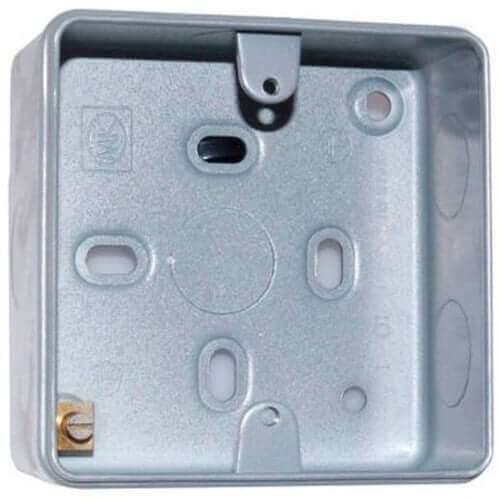
MK Electric Surface Grid Box - 1-2 gang 38mm 6 x 20mm base knockout
Surface grid box for 1-2 module grids, aluminium finish
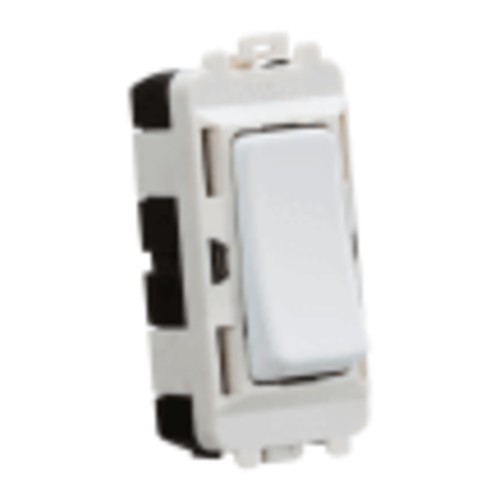
Knightsbridge GDM002MW Module Grid DP 20AX
Double pole 20AX grid module for modular wiring
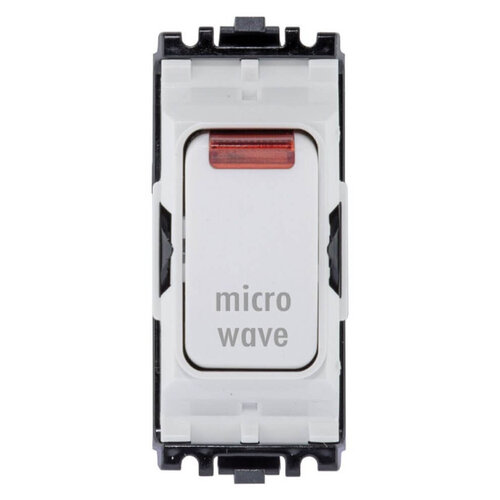
MK K4896NMWWHI 20A DP 1W Neon Microwave Switch - White
MK 20A DP 1-way neon microwave switch, white.
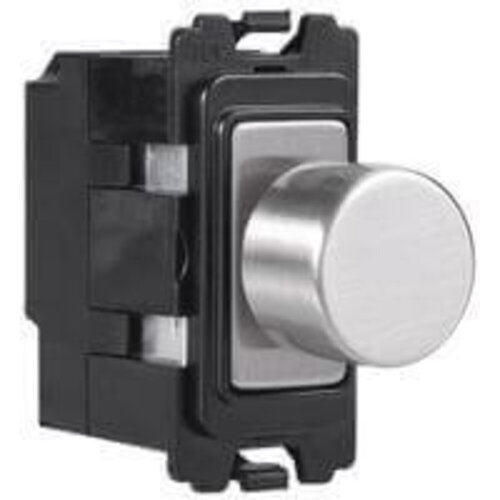
Eurolite 400W 2 Way Dimmer Grid Switch - Stainless steel
Eurolite 400W 2-way dimmer grid switch in stainless steel
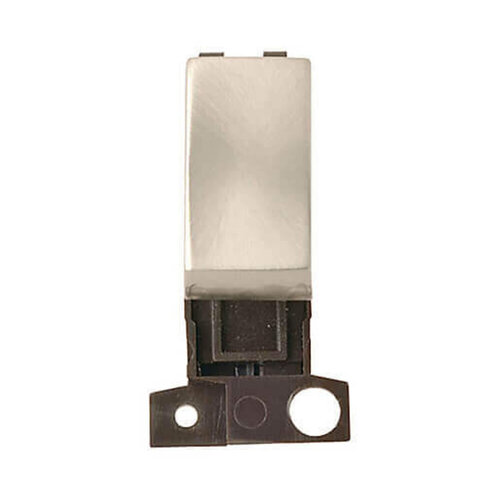
Click Minigrid 10AX Ingot Intermediate Switch Module - 25mm x 53mm x 20mm Satin …
Click Minigrid 10AX intermediate switch module, satin chrome, 25x53x20mm
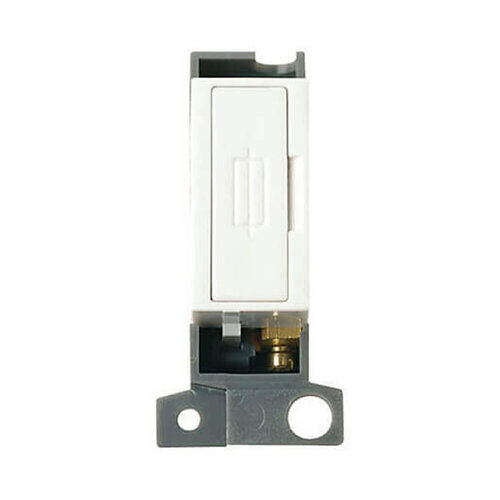
Click Minigrid 13A Fused FCU Module - White
Click 13A fused connection unit module for minigrid systems, white
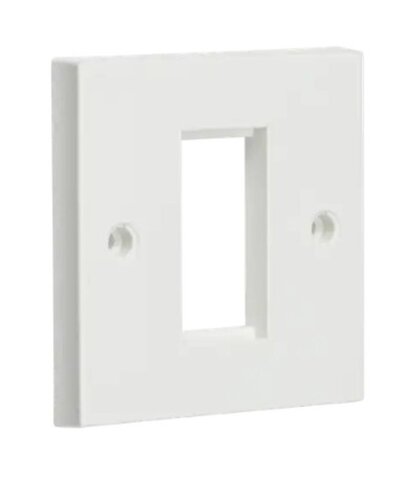
Knightsbridge 1G Modular Faceplate - White
White 1-gang modular faceplate for grid wiring systems.
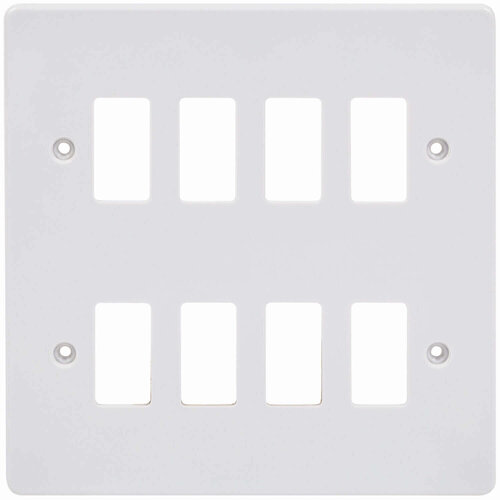
Niglon Grid Front Plate Matrix 20 Range - 8 Gang White
8 gang white grid front plate from the Matrix 20 range
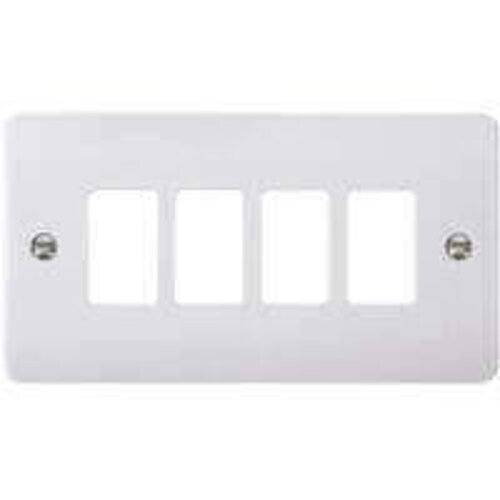
Scolmore Gridpro Grid Front Plate 4 Gang - White
White 4 gang grid front plate for Gridpro modular wiring
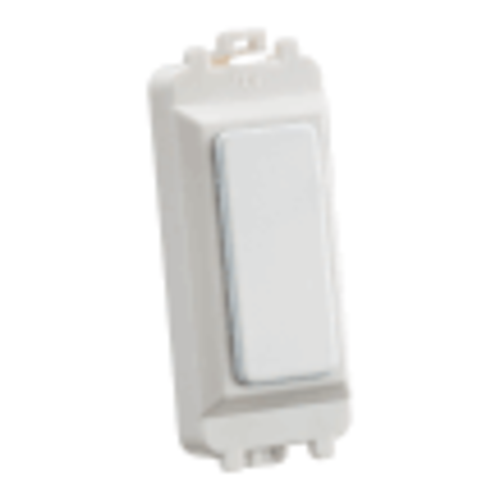
Knightsbridge Module Blank Grid
Blank module for modular grid wiring plates
For the Trade
Start with the space you’ve got and how the point will be used. That usually fixes the layout before you get near finishes. In tighter spots, grid and modular wiring is often picked because you can build the function you need without giving up room to a full decorative plate. If the spec may change later, modular wiring gives you more room to swap functions without reworking the whole point. Grid switch modules keep things simpler where the arrangement is fixed. The trade-off is more parts to get right, so you want the format that suits the job, not the one that just looks tidy on paper.
Grid & Modular Wiring Options Compared
Grid wiring suits a fixed layout. You get a neat, repeatable arrangement with fewer moving parts to manage.
Modular wiring gives you more scope to change the function mix later. That makes it the better pick when the spec may still move. The trade-off is less simplicity, with more components to keep track of.
Grid switch modules work best when the layout is settled. Modular switch modules make more sense when you need to build around changing requirements. If you’re comparing it with the rest of the Wiring Accessories range, this is the branch to choose when function count matters more than a standard faceplate arrangement.
Choosing Materials and Size
With grid and modular wiring, start with how fixed the point is and how much room you have behind the plate. A settled layout usually suits simpler grid switch modules. Modular wiring works better when the function mix may change, or when you need more than a basic switch point.
The trade-off is planning. The more flexible option needs the parts matched properly. If you’re ordering the full assembly, check Back Boxes and Pattress Boxes at the same time. That’s where jobs get held up when the depth or fixing pattern is wrong. For mixed-function points, Combination Plates are often the next call.
Completing the Setup
Once you’ve settled on grid and modular wiring, the next call is the surrounding finish. You’re usually choosing between a neat panel, a screen, or a more functional face around the point. A tidy modular point can still look wrong if the platework or adjacent finish is off.
If you’re building a mixed point, combination plates keep the layout compact and cut down on separate fixing. Back boxes and pattress boxes matter just as much as the front. Get the depth wrong and you’ll feel it when the modules start filling up.
For exposed areas or heavier use, metal clad or outdoor accessories are the next check. They change the next purchase because the finish has to suit the site, not just the wiring layout.
Local availability for Grid & Modular Wiring









