Junction Boxes
When you’re choosing junction boxes, start with where the joint is going and how much access you’ll have later. A maintenance free box suits a buried or awkward run where you don’t want to be back in it. A standard plastic junction box is usually the cheaper pick for straightforward indoor work. Go to metal when the job or environment calls for a tougher enclosure. Use weatherproof or waterproof versions where moisture is the issue. The wrong format is what causes call-backs - usually not the cable itself, but the box not matching the job.
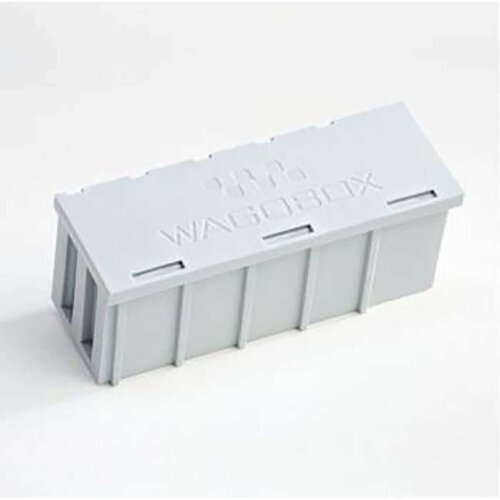
Wago Connector Junction Box Series 222 & 773
Grey plastic junction box for Wago 222 & 773 series connectors, IP20 rated
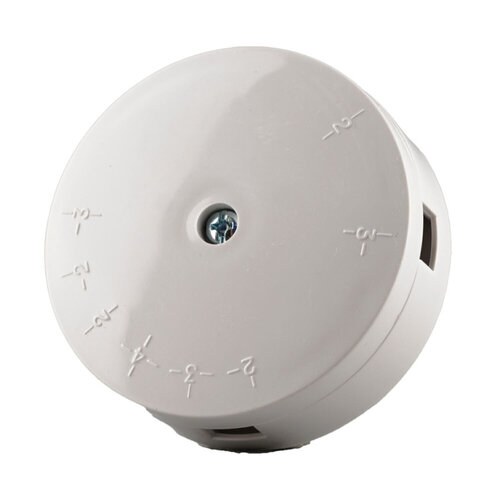
Wessex Junction Box - 4 Terminal White 5A
White 4-terminal junction box, rated 5A, for interior wiring connections
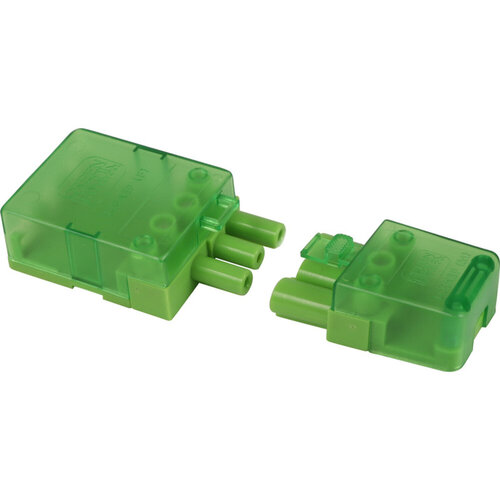
Greenbrook Lighting Connector - 20A 3 Pole
10-pack of 3-pole 20A lighting connectors, IP20 rated
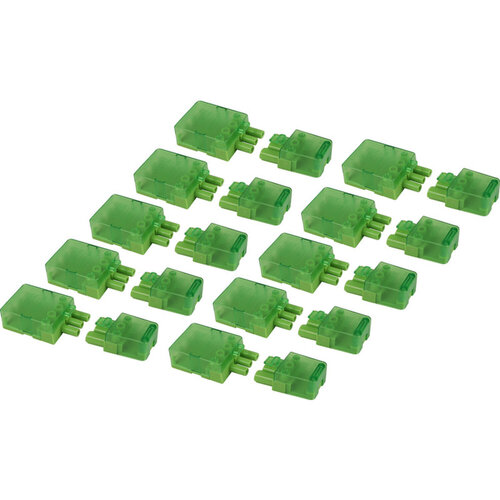
Greenbrook Lighting Connector - 20A 3 Pole Trade Pack 10 Pack
10-pack of 3-pole 20A lighting connectors, IP20 rated
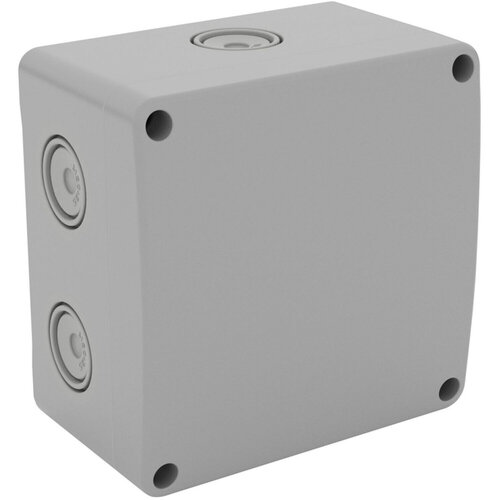
D-Line IP65 Moulded PVC Box - 110mm x 110mm x 67mm Light Grey
IP65 weatherproof junction box, 110x110x67mm, with self-sealing grommets.
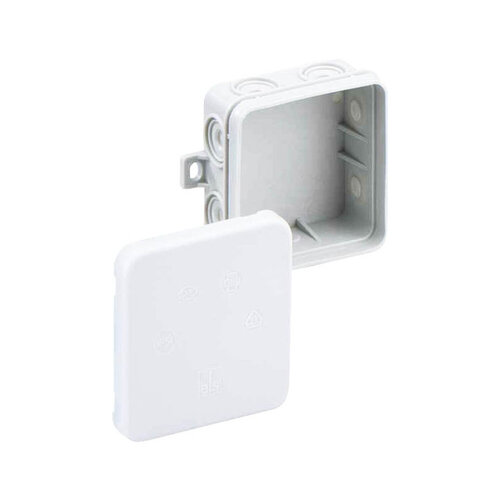
IP55 Junction Box - With 5 x 2.5mm2 Terminal Interlocking
IP55 weatherproof junction box (85x85x37mm) with 15 entries
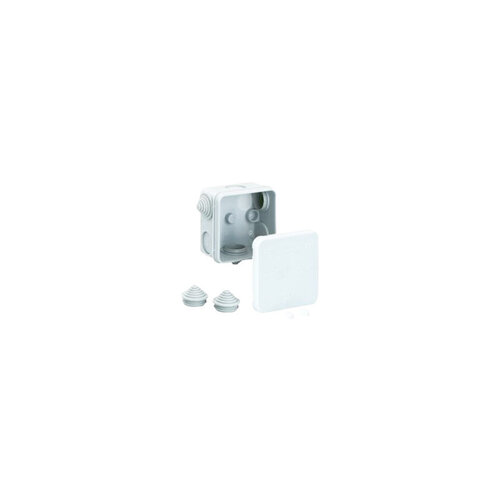
IP55 Junction Box - 90 x 90 x 45mm 7 Nipples
IP55 junction box, 90 x 90 x 45mm, with 7 cable nipples
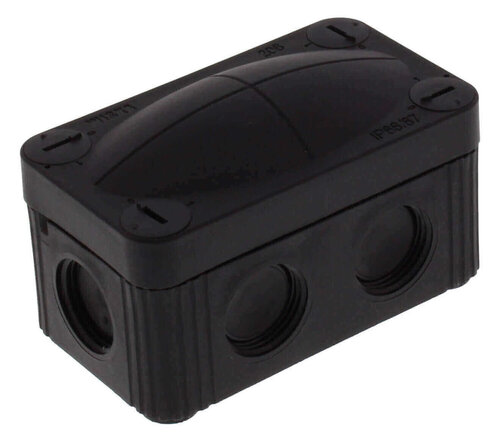
Wiska Combi 206/Empty Junction Box - Black
Black empty junction box with IP66 and IP67 weather resistance
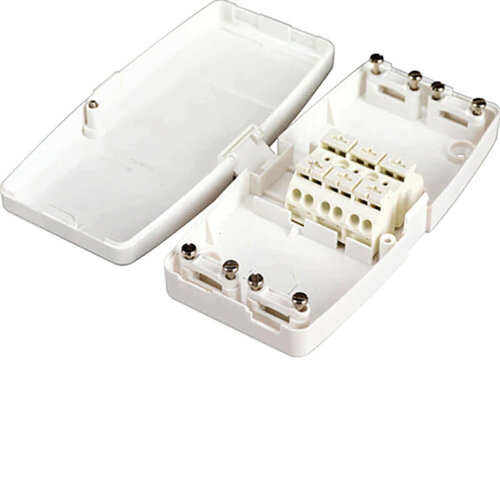
Hager 32A 3 Terminal Maintenance Free Junction Box
32A maintenance-free junction box with 3 terminals and cable clamps
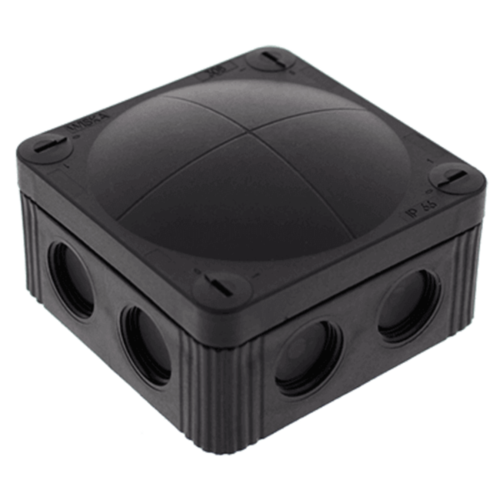
Wiska Combi 308/5 Junction Box - Black
IP66/IP67 polypropylene junction box, 85x85x51mm, black
For the Trade
What matters first is where the box sits and how much access you’ll have once the job’s finished. If it’s staying visible and easy to get back to, a basic plastic junction box usually keeps things simple and economical. Once it’s buried, tucked away, or likely to be left behind a finish, you need to be more careful with the spec. That’s where call-backs usually come from, not the cable itself. For exposed or harsher locations, weatherproof or waterproof junction boxes are the ones you’d look at. A metal junction box makes more sense where you want a tougher enclosure and don’t mind the extra weight.
Popular Junction Boxes Formats
If you need to get back into the run later, a standard plastic junction box is the quick pick. It keeps the job simple and is easy to replace.
If the connection will be buried or left where you do not want to revisit it, a maintenance free junction box is the better fit. You give up easy access if the circuit needs altering.
For tougher areas, a metal junction box gives you a firmer enclosure. Outside, or anywhere moisture is the issue, weatherproof and waterproof versions are the ones to reach for.
That is the sort of split we would talk through at the counter in Wiring Accessories.
Key Differences When Choosing
Material is usually the first call. A plastic junction box is lighter and easier to handle overhead, so it suits straightforward indoor jobs. A metal junction box makes more sense where the box may take knocks or sit in a harsher spot.
The trade-off is clear. Plastic is quicker to work with. Metal feels more substantial, but it adds weight and usually needs more care on the fixings. If the run needs to stay accessible, keep an eye on the box style as well - Back Boxes and Pattress Boxes and Combination Plates are often the next decisions once the enclosure is sorted.
Next Decisions After Choosing
Once you’ve picked the junction boxes, the next call is what sits around them and how much access you’ll need later. If the box is going behind a finish, make sure the back boxes and pattress boxes suit the depth and fixing method. That’s where time goes if the face ends up proud or cramped.
Where the run comes out to a visible point, combination plates can keep the final set-out tidy without changing the box underneath. On jobs with a lot of terminations, check the adjacent wiring accessories early. The mismatch between the box and the finish is usually what brings the comeback, not the box itself.
Local availability for Junction Boxes














