Outdoor Switches & Sockets
If you’re choosing outdoor switches and sockets, start with how exposed the point is and how often you’ll use it. A covered patio run can usually take a simpler weatherproof unit. A more exposed wall, or a socket that will see regular use, is worth a sturdier layout with a better sealing flap and easier access. The usual mistake is buying on appearance alone - the neat-looking unit that’s awkward to operate or seal properly is the one that gets replaced later.
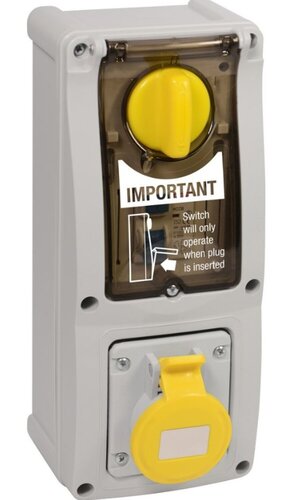
Famatel 16A Switched Interlocked Socket with RCD IP44 - 110V 2P+E Yellow
16A 110V switched interlocked socket with RCD, IP44, yellow
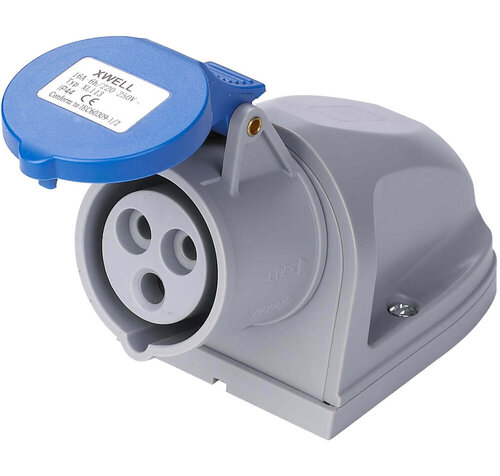
Eris Industrial IP44 Surface Socket - 32A 2P+E 240V
Eris Industrial IP44 surface socket, 32A 2P+E, 240V, blue
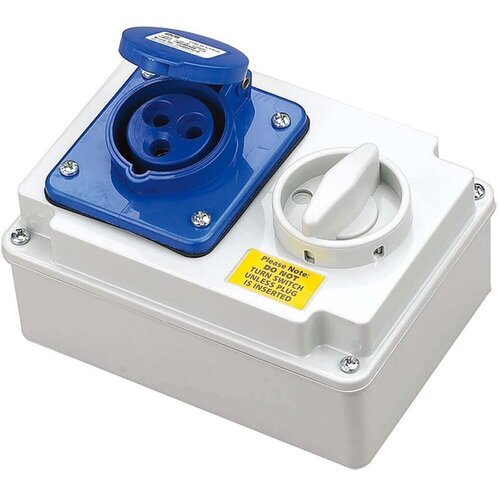
Eris Industrial IP44 Horizontal Interlocked Switch Socket - 16A 2P+E 240V
Blue horizontal interlocked switch socket, 16A 2P+E, IP44
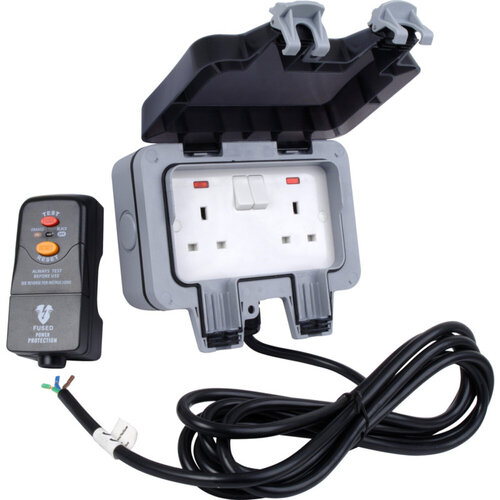
BG IP66 Outdoor Power Kit - 2 Gang Switched
IP66 outdoor double socket kit with RCD plug and 3m cable.
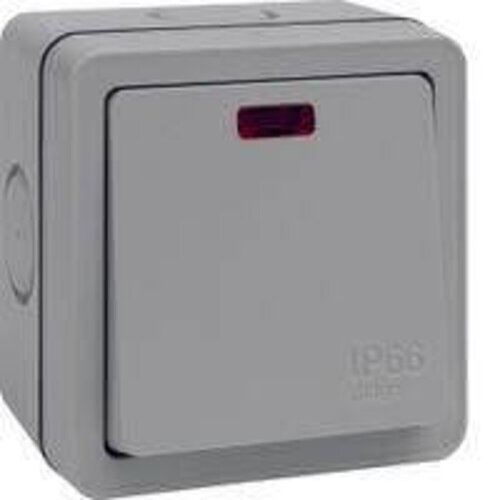
Hager Weatherproof 20A Double Pole Switch - 1 Gang Grey IP66
Hager weatherproof 20A double pole switch, 1 gang grey IP66
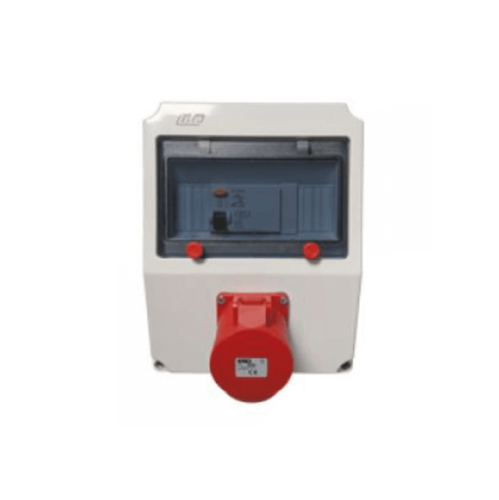
IES RCD Socket - 32A 3P+N+E 415V IP44
32A 3P+N+E IP44 RCD-protected socket
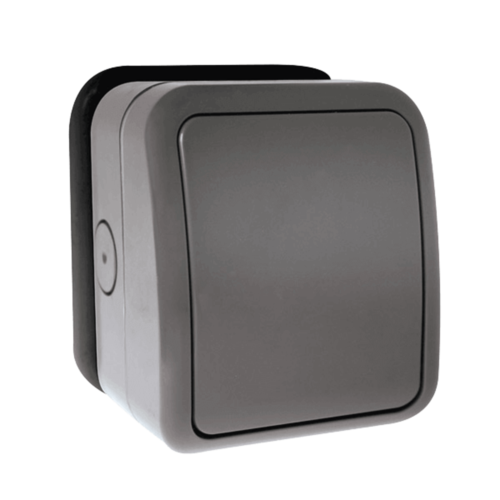
Click 1 Gang 2 Way Waterproof Switch - 10A Grey
Click 10A 1-gang 2-way grey waterproof switch
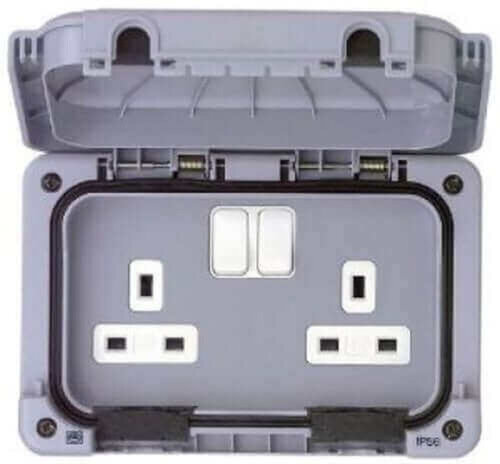
MK Electric Switched Socket - 2 Gang 13A Dust Tight IP66 Grey
MK Electric 2 gang 13A IP66 switched socket, grey
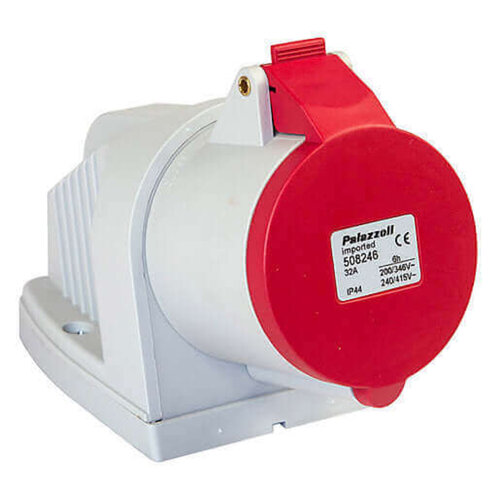
Lewden Surface 90° Angled Wall Mounted Socket Outlets
Industrial surface angled socket outlet, available in various amp/voltage rating…
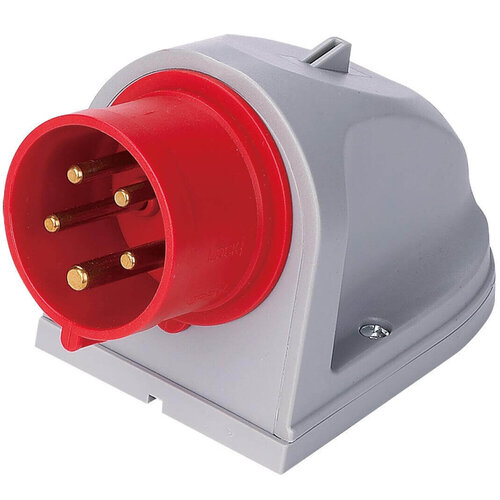
Eris Industrial IP44 Surface Appliance Inlet - 16A 3P+N+E 415V
16A 3P+N+E 415V IP44 surface appliance inlet, red
For the Trade
Start with space and how it’ll be used before you look at finish or extras. If you’ve only got room for a single accessory box, the choice narrows quickly. For regular plug-in use, you need a layout that works on the wall, not one that only looks neat on paper. Simpler outdoor switches and sockets usually suit lighter-duty spots. Busier runs, or more exposed positions, tend to justify a sturdier arrangement. Most call-backs come from forcing the wrong format into the wall space, not from the product itself.
Popular Outdoor Switches & Socket Formats
For outdoor switches and sockets, the first split is between a simple socket point and a switched arrangement. Outdoor electrical sockets suit straight plug-in use where you want the least to go wrong. Outdoor electrical switches make more sense when the load needs local control and you don’t want to keep going back indoors.
Outdoor power sockets are the usual pick on jobs where the outlet will see regular use. They’re easier to live with than a makeshift indoor feed. If you’re matching the rest of the job, check the parent Wiring Accessories range before you commit. The wrong layout usually shows up later as extra call-backs or awkward positioning.
Key Differences When Choosing
Exposure comes first. A sheltered patio point can take a neater unit. Once the location gets rain or a hose-down, go for weatherproof outdoor sockets with a lid that clears the plug properly.
Next, match the control to the job. Use a socket for regular plug-in kit. Choose outdoor electrical switches only where you need local control and do not want to keep going back indoors.
The box behind it matters too. Sort the Back Boxes and Pattress Boxes first, because a shallow box or awkward fixing pattern will limit what you can fit. If the job needs a cleaner multi-gang finish, Combination Plates are worth checking before you commit.
Next Decisions After Choosing
Once you’ve picked the right outdoor switches and sockets, the next call is usually the finish around them. If the run is on show, combination plates or decorative switches and sockets give you a cleaner face. If it’s a rougher spot, metal clad is the one people move to because it takes knocks better, even if you give up the neater look.
Back boxes and pattress boxes are the bit that gets missed until the last minute, and that’s where jobs slow down. Keep the rest of the wiring accessories in step with the spec, because a mixed finish stands out straight away on an outside run.
Local availability for Outdoor Switches & Sockets













