Plugs, Adaptors & Fuses
Plugs adaptors and fuses usually come down to the job in front of you. You might be replacing a damaged plug top, changing a fuse rating, or using an adaptor where the appliance and supply don’t quite match. For a straightforward repair, standard replacement parts are usually the economical call. If you need to change the outlet arrangement, plug adaptors alter the spec.
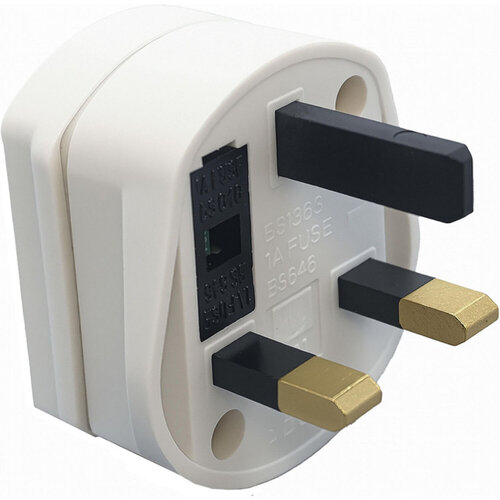
Tower Fused Plug - 13A White 10 Pack
10-pack of white 13A fused plugs, BS1363 approved
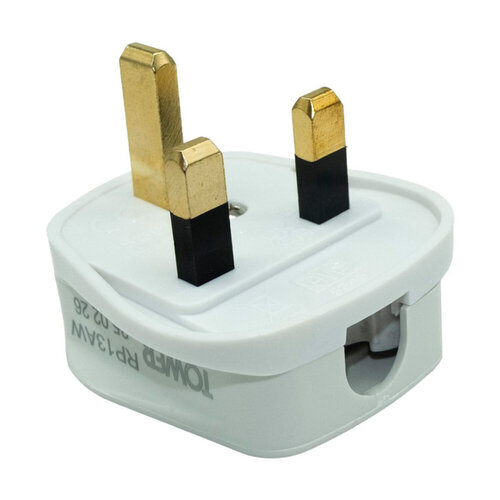
S.M.J. Fused Heavy Duty Plug with Clamp Cord Grip - 13A white
13A heavy-duty 3-pin plug, BS1363/A approved, white
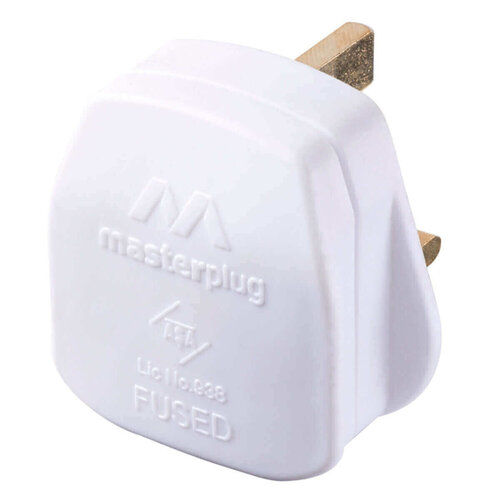
Masterplug 3 Pin 13A UK Plug
13A UK plug in white nylon, rewireable, with brass sleeved pins for safe indoor …
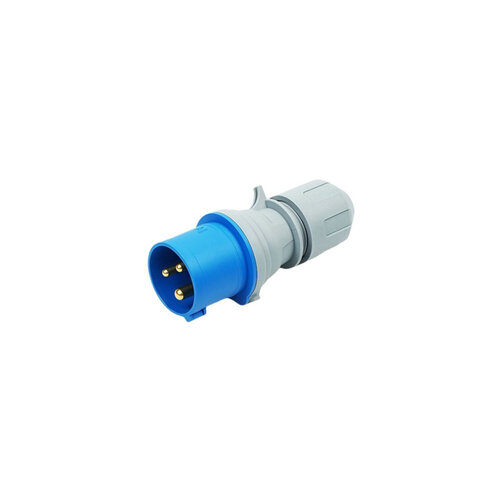
Wessex IP44 Industrial Plug - 16A 240V
Blue 16A 240V industrial plug with IP44 splash protection
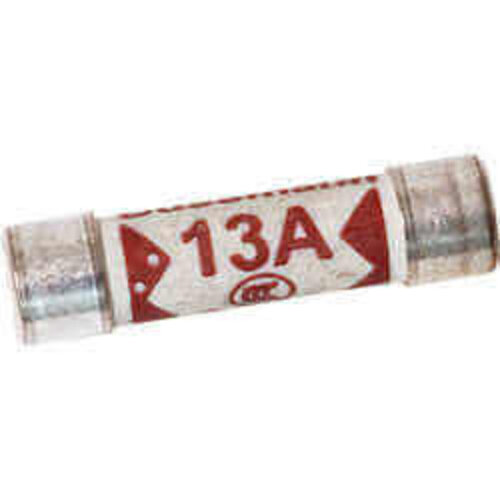
Plug Top Fuse - Mixed 10 Pack
Mixed pack of 10 plug top fuses, BS1362-certified
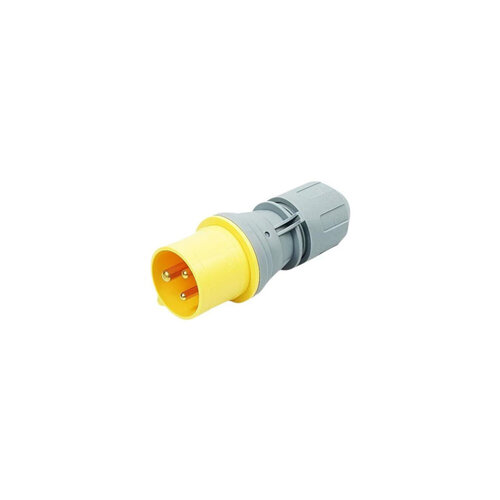
Wessex IP44 Industrial Plug - 16A 110V
Yellow 16A 110V industrial plug with IP44 splash protection
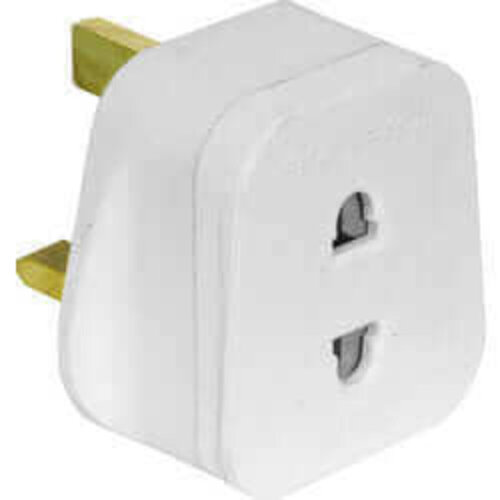
3 Pin Plug Adaptor - Shaver Only
White 3-pin shaver socket adaptor for 2-pin plugs
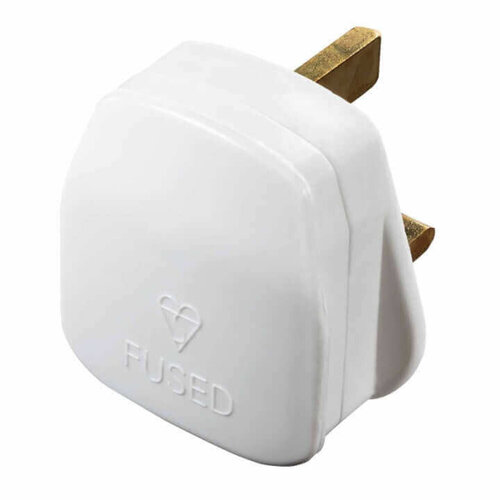
Masterplug 13A Fused Plug
13A fused plug
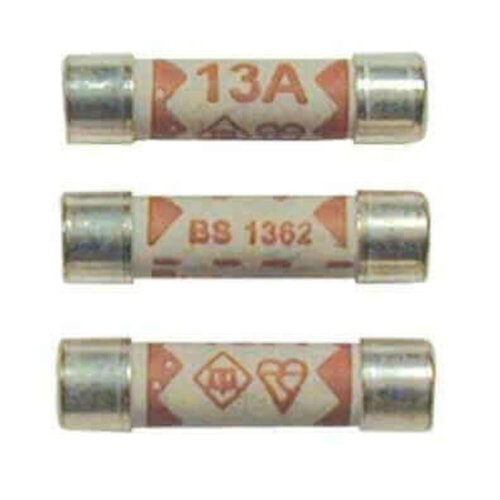
Norslo Fuse Cartridge - 13A Brown
13A ceramic cartridge plug top fuse, brown, conforms to BS1363
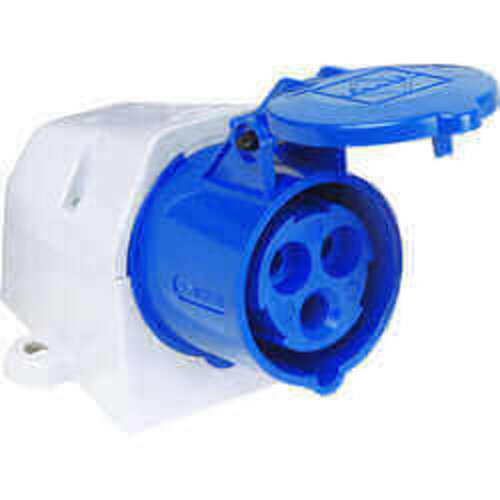
Industrial Connectors IP44 - 240V Socket 16A
Industrial 240V 16A socket, IP44 rated, blue
For the Trade
Start with the space you’ve got and how the appliance will be used. That usually narrows plugs adaptors and fuses quickly. The main call is whether you need a plain replacement, a plug adaptor, or a fused option that matches the load and the job. Where access is tight, a bulky body can get in the way, so plug tops or slimmer plug adaptors tend to be the better pick. If the spec is already set, the fuse rating matters more than the finish. Most call-backs come from the wrong rating or a poor fit, not the colour of the moulding.
Types of Plugs, Adaptors & Fuses
Plug adaptors and fuses usually split into two jobs: a straight replacement or a bit of adaptation. Plug tops suit like-for-like swaps when you want the simplest fix. Plug adaptors come in when the appliance and supply do not quite match.
Fused plugs and plug fuses matter when you need protection built in, or when you are replacing a failed fuse rather than the whole plug. The trade-off is simple. The more adaptable the fitting, the more you need to check the rating and the physical bulk. If you're working through Wiring Accessories, this is the point that helps you avoid the wrong format for the job.
Selection Factors for Plugs, Adaptors & Fuses
Fit, fuse access, and bulk usually decide it. Keep it like for like and a standard replacement is the neatest answer. Use a plug adaptor when the connection needs a different layout or a little more clearance.
Fused plugs and replacement plug fuses suit jobs where you want the protection built in, or you need to swap a blown fuse without changing the whole plug top. If you’re sorting the mounting side as well, Back Boxes and Pattress Boxes and Combination Plates are the next buys that usually affect how neatly it sits on site.
Finish the Room
Once the plugs, adaptors and fuses are sorted, the next call is usually the surrounding finish and fixings. If the job needs a neater face or a mixed service point, combination plates save you building a separate arrangement. Back boxes and pattress boxes come into play when depth, cable entry and box type are what hold the job up.
On exposed or heavier-duty work, metal clad switches and sockets are often the cleaner follow-on because they take knocks better than decorative gear. If the finish matters, decorative switches and sockets are the one you buy when the spec calls for a tidier final look.
Local availability for Plugs, Adaptors & Fuses

















