Socket Converters
Socket converters are used when the plug you have does not match the socket you are using. Check the plug type and the load first. A light-duty travel plug converter suits low-demand kit. For a firmer connection, use a sturdier mains socket converter that stays secure under use.
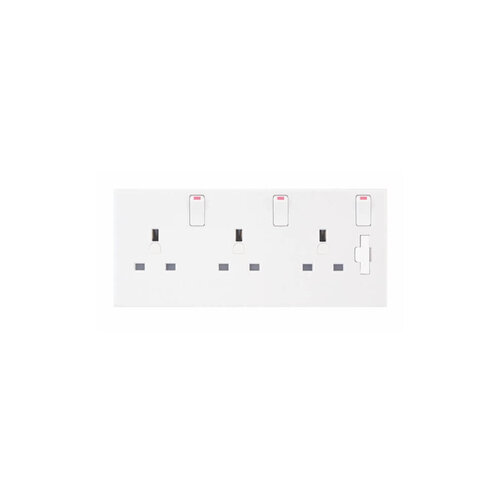
Converter Socket 1 or 2 Gang to 3 Gang
White switched converter socket, 1 or 2 gang to 3 gang
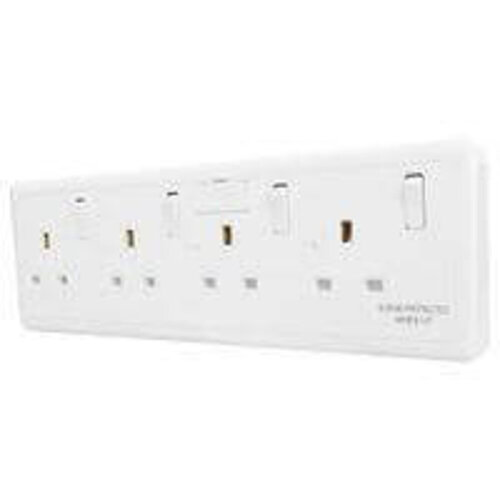
Eterna Switched Converter Socket - 13A, 4 Gang, White
13A 4 gang switched converter socket, white, with surge protection
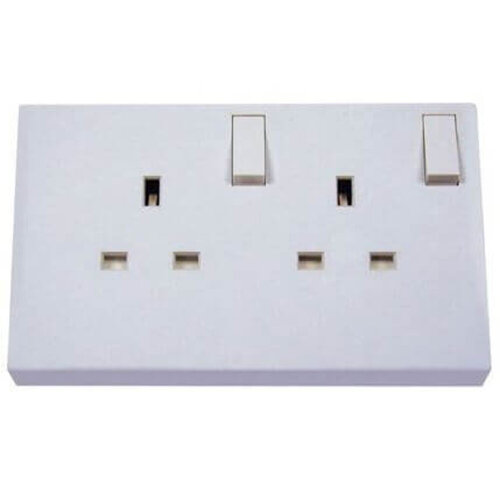
Greenbrook Switched Converter Socket - 13A 2 Gang White
White 13A 2-gang switched converter socket
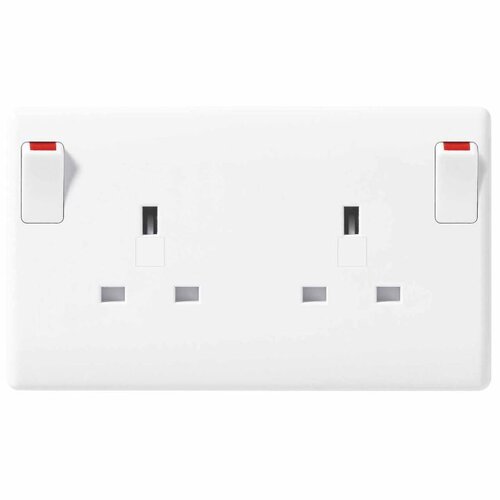
BG Electrical Nexus Moulded 1 Gang to 2 Gang Switched Converter Socket - 13A
White BG Electrical Nexus moulded 13A switched converter socket, 1 gang to 2 gan…
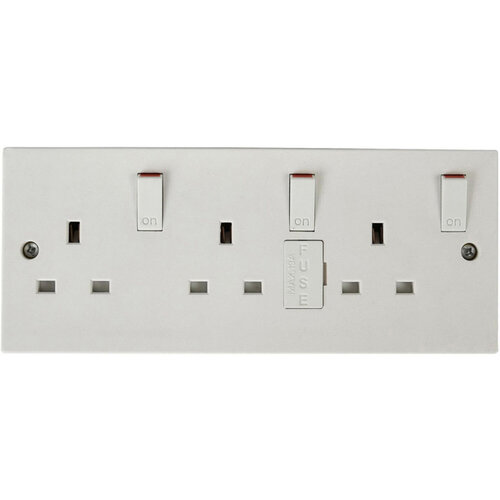
Made4Trade Socket Converter - 1-Gang to 3-Gang
Converts 1-gang to 3-gang socket, interior, white, 13A fused
For the Trade
You’ll usually narrow socket converters by the job spec before you look at finish. Flush or surface mounting, single or double gang, and the duty and pole count need to line up first, because that decides the circuit and the box behind it. A 13A job is a different ask from a 20A one, and bathroom or kitchen work can change who should be doing the electrical side under Part P. Decorative trim comes last. If the spec is wrong, the neat faceplate won’t save you.
Types of Socket Converters
A simple plug adaptor suits one-off compatibility and temporary kit. It is quick to fit, but it can get knocked or pulled if the lead sits under strain.
Choose a socket converter with a firmer body when the connection will stay in place and see more handling. It gives a steadier fit, though it is less suited to quick swaps. If you are matching out a job from Wiring Accessories, keep the choice tied to the load and how much movement the connection will see.
Selection Factors for Socket Converters
The first check is mounting and load. That rules out half the shelf straight away. A socket converter that sits flush works when the box depth and faceplate line up. Go surface-mounted when containment is awkward or there is little room behind it.
Single and double gang layouts matter too. They keep the front end tidy without forcing the wiring. After that, Back Boxes and Pattress Boxes and Combination Plates usually decide what fits cleanly and what turns into a bodge.
Finish the Room
Once you’ve picked the socket converters, the next call is what sits around them. If the job needs a neat finish or a mixed arrangement, combination plates usually save time because you are not trying to force separate accessories into a tight space.
Where the box depth is marginal, back boxes and pattress boxes matter more than most people expect. A shallow one is what causes grief when the converter body is bulky. Check the surrounding switches and sockets at the same time if you want the plate style, fixing centres and finish to line up, rather than leaving one odd item on the wall.
Local availability for Socket Converters





