Switches & Sockets
When you're pricing up switches and sockets, start with finish and format, then check whether the job needs standard wall gear or something more specific. Flush fittings suit most internal work where you want a neat face. Surface-mounted options make more sense where the wall won't take a chased box or the run needs to stay exposed. A lot of call-backs come from choosing on looks alone, then finding the plate depth, fixing, or layout doesn't suit the job.
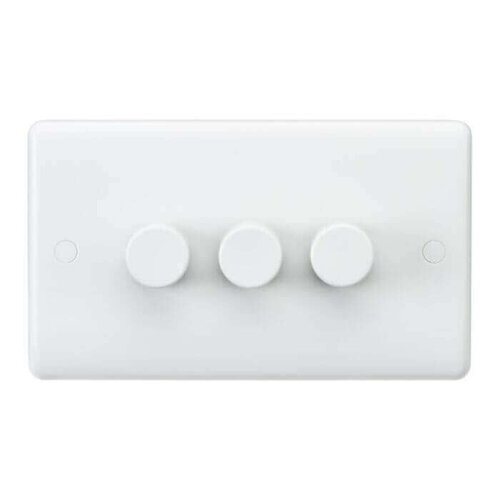
Knightsbridge Curved Edge Dimmer Switch - 3 gang 2 way 400W white
400W 3 gang 2-way dimmer switch with white curved edge plate
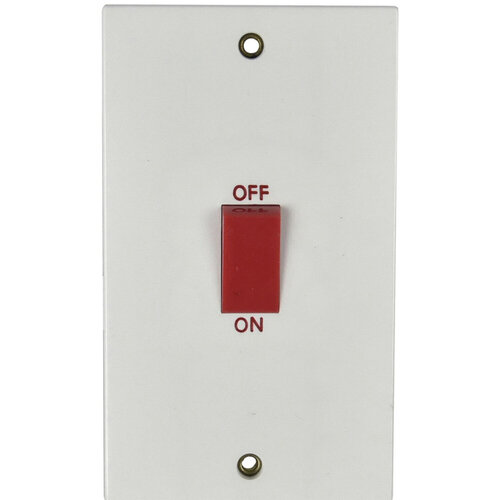
Made4Trade 45A DP Cooker Switch - 2 Gang Upright
45A double pole cooker switch, 2 gang upright, white matt finish.
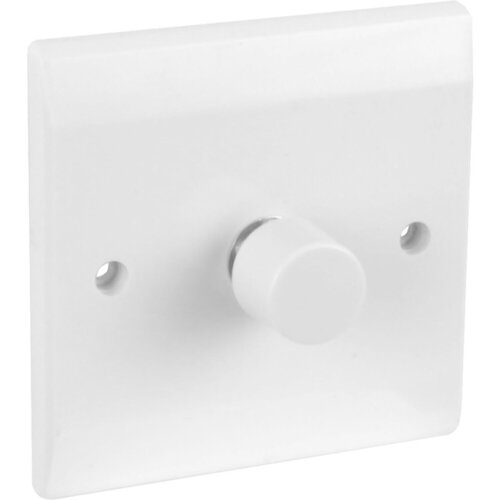
Axiom Low Profile LED White Dimmer Switch - 1 Gang 2 Way
Low profile 1 gang 2 way white LED dimmer switch
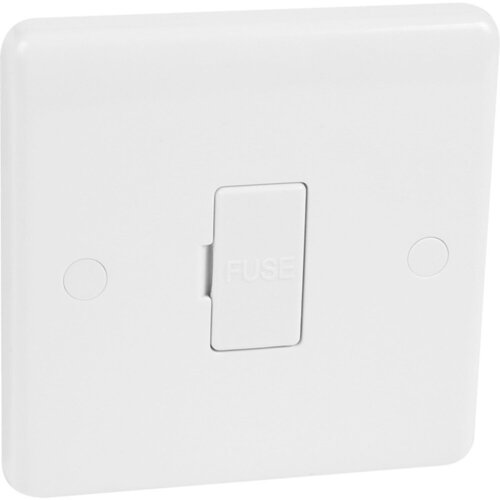
Wessex White Fused Spur - Unswitched
Low-profile unswitched white fused spur with gloss finish
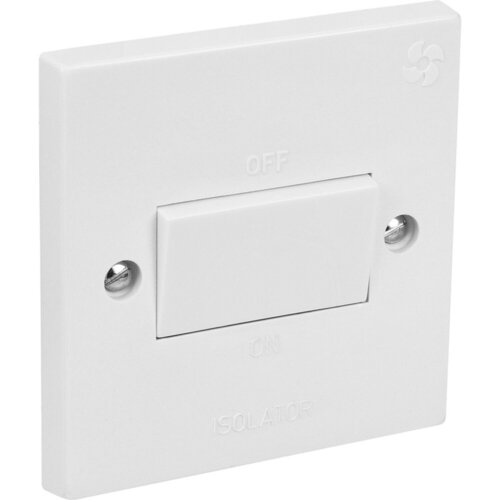
Axiom Fan Isolator Switch - 10A
10A 3-pole fan isolator switch (white gloss, 1 gang) to BS60669
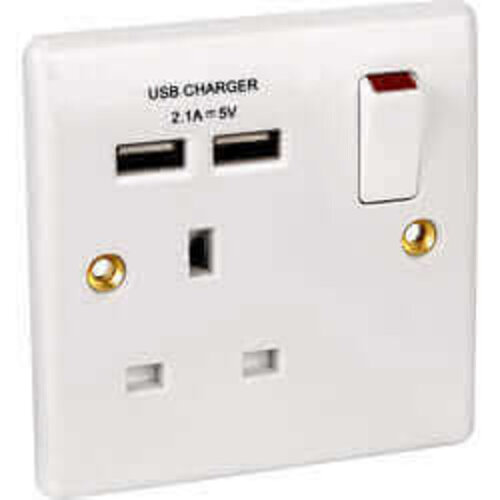
BG 13A Low Profile SP USB Switched Socket - 1 Gang 2.1A
13A 1-gang switched socket with 2 USB Type A ports (2.1A shared)
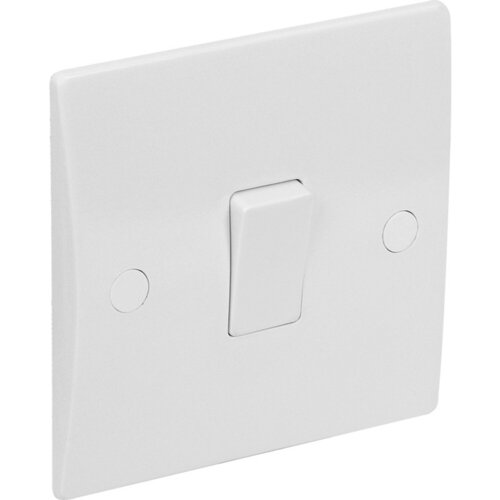
Axiom Low Profile Intermediate Switch - 10A
White 10A 1-gang intermediate switch with low profile and gloss finish
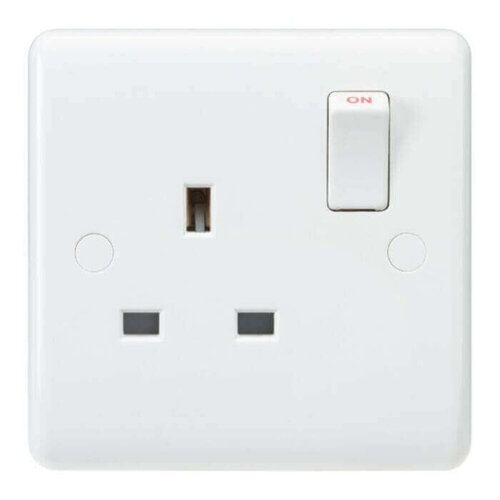
Knightsbridge Curved Edge Switched Socket Double Pole 1 Gang 13A - White
White 13A 1-gang double pole switched socket with antimicrobial properties
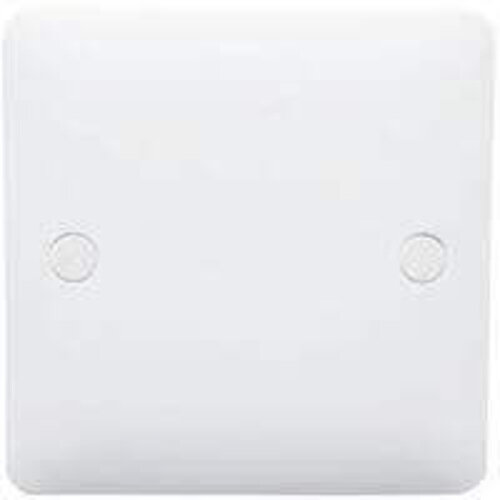
Wireplast Blank Plate Modern Range - 1 Gang White
White 1 gang blank plate curved edge 25-year guarantee
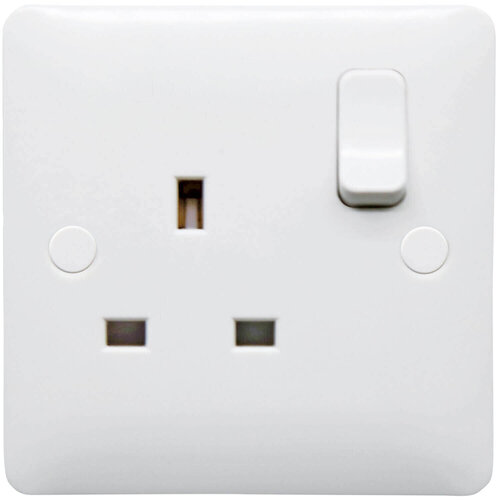
Wireplast 13A Switched Socket 1 Gang Modern Range - White
13A 1-gang switched socket with red flag indicator, white finish
For the Trade
Start with the space you’ve got and how the point’s going to be used, because that usually decides switches and sockets before finish does. Tight wall space or awkward box depth rules out some options straight away. A busy run often needs a simpler plate layout rather than extra modules. If the job needs a cleaner face, move toward flush switches and sockets. If access or exposure matters more, a more robust format usually makes more sense. Finish comes after that. Plenty get picked on looks, then changed once the layout is checked.
Switches & Socket Types and Layouts
Most jobs come down to three calls: flush or surface-mounted switches and sockets, the plate layout against the circuit count, and whether the finish needs to sit quietly or take more knocks.
Flush switches and sockets are usually the pick on standard internal work because they sit cleaner. Surface-mounted gear suits exposed runs or walls that will not take a recessed fitting. For electrical switches and sockets, that is the main split between domestic switches and sockets and trade switches and sockets: one keeps the face neat, the other saves you fighting the wall. If you are comparing Wiring Accessories as a whole, this is where you narrow it to the layout that fits the job. The wrong format is what leads to the awkward return visit.
What to Check Before You Buy
What usually decides switches and sockets is less the faceplate and more what’s behind it and how much room you’ve got to work with. Flush gear is the normal call for most internal work, but it only makes sense if the box depth and wall build give you enough room. Otherwise, you end up fighting the fitting.
Surface-mounted options earn their keep where the wall won’t take a recess or the run is already exposed. For mixed jobs, Back Boxes and Pattress Boxes are worth sorting first, because the wrong box causes the awkward return visit. Where you need more than one function in one place, Combination Plates save space, but you give up some layout flexibility.
Useful Alongside Switches & Sockets
Once you’ve picked the switches and sockets, the next call is what finishes the wall properly. If the opening’s already set and you want the face neat, back boxes and pattress boxes usually come first. Depth and fixing method affect how clean the plate sits.
Where the job needs more than a plain outlet, combination plates save extra cut-outs, but you lose some flexibility if the spec changes later. Decorative switches and sockets come in when the finish matters as much as the function. On a lot of refurb work, that’s the bit the client notices first.
Local availability for Switches & Sockets















