Timers & Controllers
Timers and controllers come down to what you’re switching and how much control the job needs. A basic time switch handles simple repeat on-off patterns. Digital timers and programmable timer switches suit schedules that change through the week, while 24 hour timer switches keep the same routine each day. 7 day timer switches make more sense where weekdays and weekends differ. The main thing is not to over-spec it - more adjustment usually means more time spent setting it up.
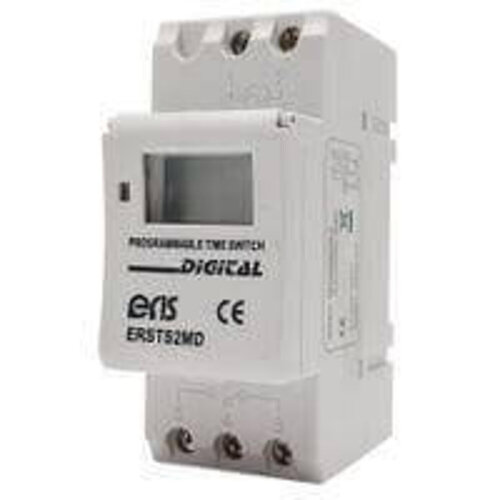
Eris Consumer 16A 230V 2 Module 24 Hour LCD Display Programmable Time Switch
16A 230V 2-module programmable time switch with 24-hour LCD display.
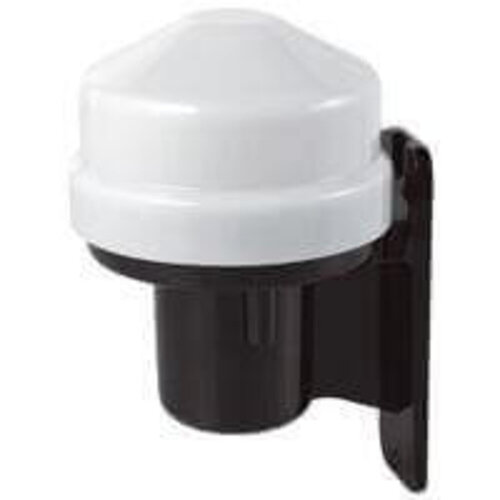
Wall Mountable Photocell 360° IP44 - Black
Black wall-mountable 360° photocell, IP44
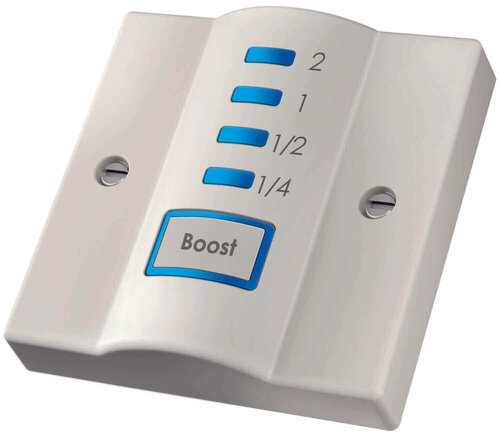
Timeguard STBT4 Electronic Boost Timer - 2 Hour
Timeguard STBT4 electronic boost timer, 2 hour maximum boost
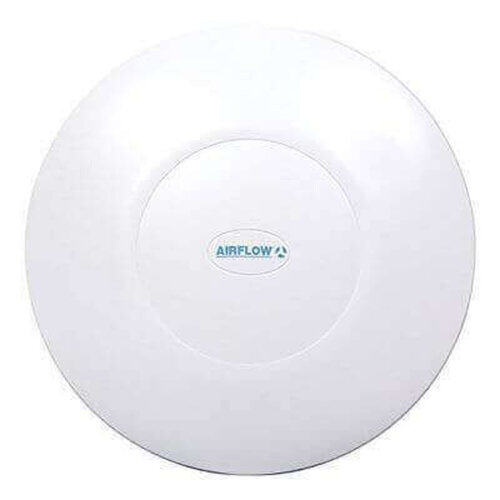
Airflow Iconstant-T DMEV Fan Timer
Airflow Iconstant-T DMEV fan timer for controlling extractor fans
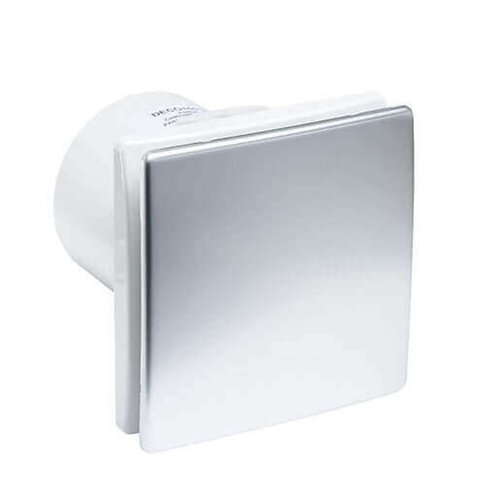
Iflo DECO100TCB Wall/Ceiling Fan Timer - 100mm Chrome
Iflo 100mm chrome bathroom extractor fan with timer
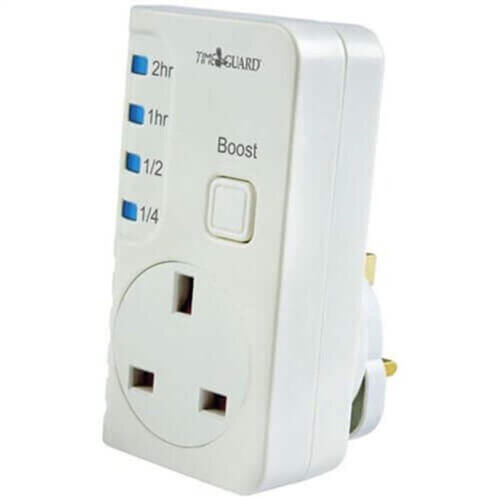
Timeguard TGBT6 Electronic 2 Hour Plug-in Boost Timer
Electronic plug-in boost timer with push-button control for up to 2 hours.
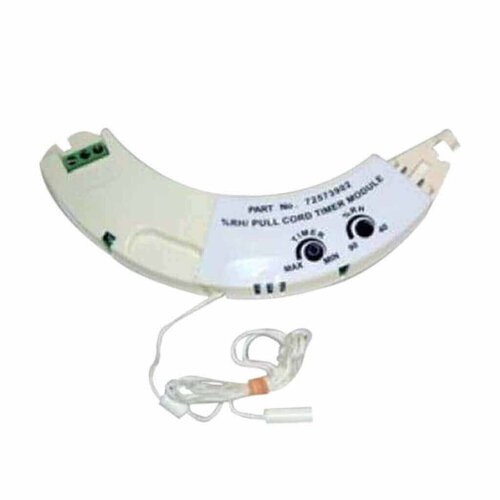
Airflow Iconnhts SELV Module Humidity Pullcord Timer
Adjustable humidity timer module (40-90% RH) with pull cord activation
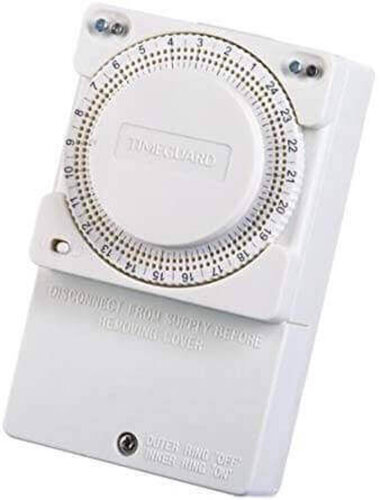
Timeguard TS900N 24 Hour Immersion Heater Time Controller
24-hour immersion heater timeswitch with 15-minute programming increments and ov…
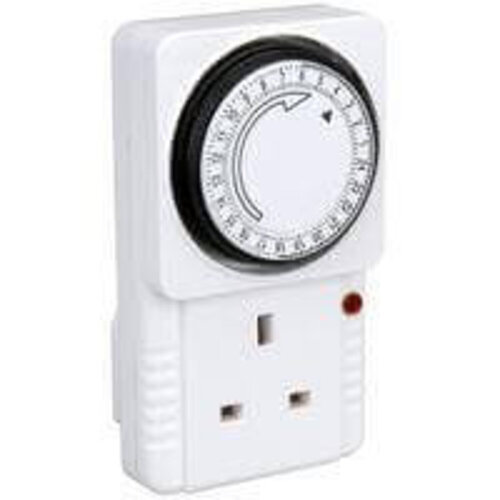
Niglon Mechanical 24 Hour Plug-In Timer
Niglon mechanical 24-hour plug-in timer
Timeguard Timeswitch - 24hr
White 24-hour fused spur time switch
For the Trade
Start with the space you’ve got and how the job will be used, then the rest usually falls into place. If the layout is tight or the schedule is simple, a straightforward time switch is often enough. Once you need different settings through the week, programmable timer switches or 7 day timer switches make more sense, but you do give up some simplicity. Digital timers earn their place where changing settings matter more than a fixed daily pattern. Most call-backs come from units picked for the finish first and the use second.
Timers & Controller Options Compared
If the job only needs one fixed routine, a simple time switch is usually the cleanest call. You get fewer settings to get wrong, and less to explain on handover.
Where the schedule changes through the week, 7 day timer switches make more sense. They let you split weekday and weekend timings without bodging it.
24 hour timer switches suit repeat daily cycles. Programmable timer switches give you more control, but they bring more setup and more room for error.
Digital timers are the better pick when you want clearer adjustment and less faffing than older analogue units. If you’re matching the rest of the job out of Wiring Accessories, check the format first. That usually decides it.
Choosing Materials and Size
The first question is how much control the job needs. That separates a simple time switch from the more adjustable options. For a fixed routine, keep it plain and don’t pay for settings you won’t use. Once the schedule changes through the week, programmable timer switches or 7 day timer switches make more sense. They do take longer to set, and they’re easier to get wrong if the brief keeps moving.
Digital timers suit jobs where you want clearer adjustment and less faffing on site. Check the back box depth early as well. A cramped box turns a neat install awkward fast. If you’re finishing a mixed plate, Back Boxes and Pattress Boxes and Combination Plates are the bits that usually decide what fits cleanly.
Completing the Setup
Once you’ve picked the timers and controllers, the next call is usually what the rest of the platework needs around it. If it’s going into a standard wall box, back boxes and pattress boxes save you fighting depth and fixing later on.
Where the timer sits with other controls, combination plates keep the layout tidier and avoid stacking separate plates. In a visible area, decorative switches and sockets are the cleaner finish. Metal clad is the tougher call where the surroundings are rougher.
Local availability for Timers & Controllers












