Electrical & Lighting
When you’re choosing electrical & lighting gear, start with what the job needs - supply, control, or the final fitting. For a straight replacement, keep to the same type and rating. If the spec has changed, circuit protection or control gear can matter more than the visible fitting. Buying to the label instead of the circuit or load is where call-backs start.
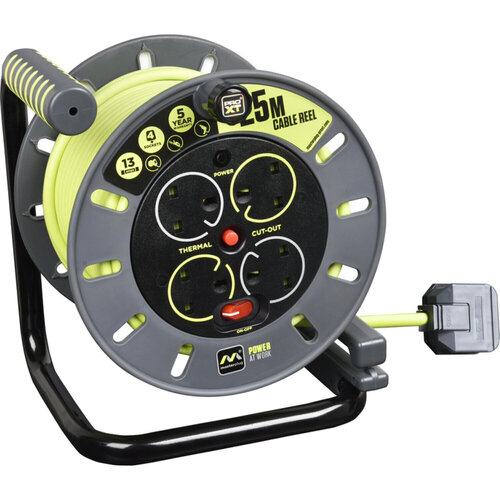
Masterplug Pro XT 4 Socket 13A Open Cable Reel - Masterplug Four Socket 13A Medium Open Reel with 25m Cable
Four-socket 25m open cable reel with thermal cut-out and LED power indicator
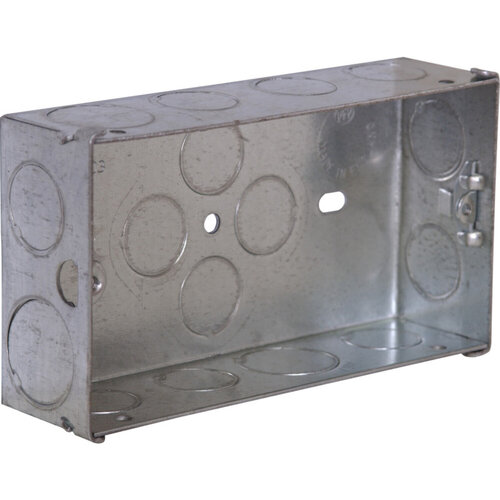
Made4Trade Metal Back Box 2 Gang - 35mm Trade Pack 10 Pack
Metal back box 2 gang, 35mm depth, trade pack of 10
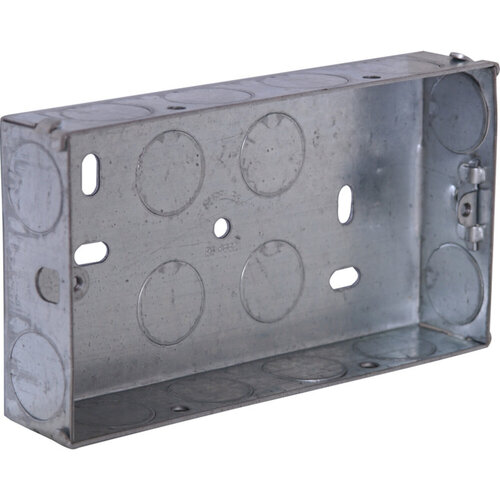
Made4Trade Metal Back Box 2 Gang - 25mm Trade Pack 10 Pack
Metal back box 2 gang, 25mm depth, trade pack of 10
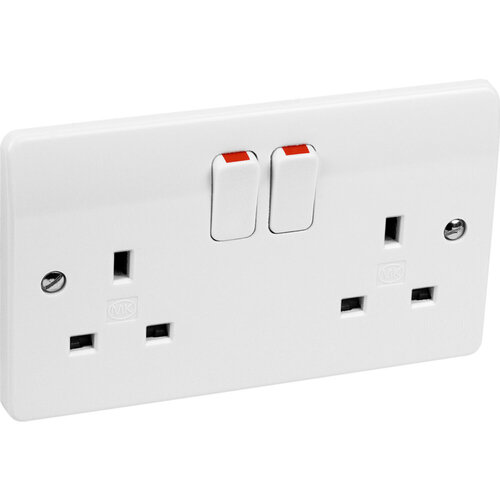
MK DP Switched Socket - 2 Gang
White 2-gang double pole switched socket with child-safe shutter
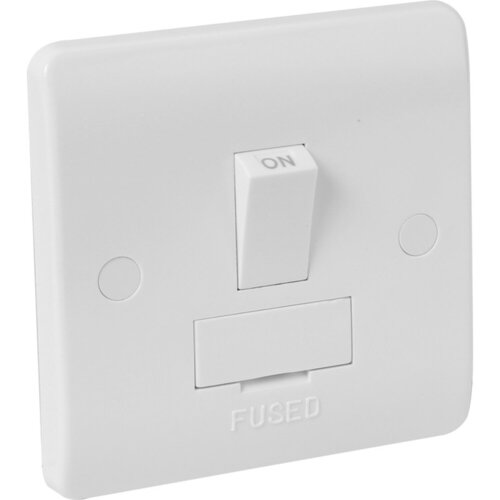
Click Mode 13A Fused Spur - Switched
13A switched fused spur with flex outlet, antiviral and antibacterial certified,…
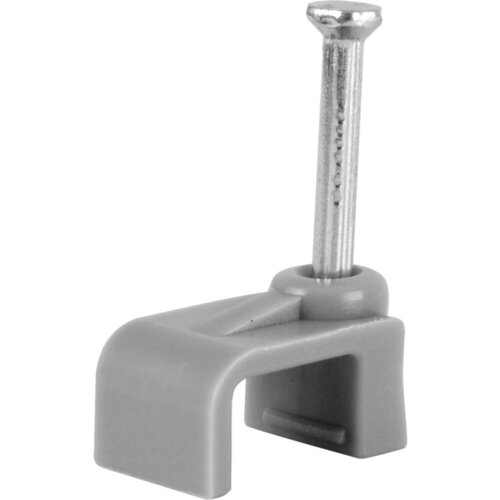
Made4Trade Twin & Earth Cable Clips Grey - 1- 1.5mm 100 Pack
100-pack grey cable clips for 1-1.5mm twin & earth cable with hardened nails
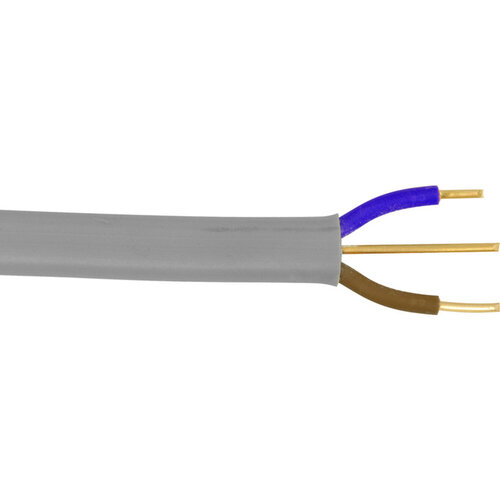
Pitacs Twin & Earth Cable (6242Y) Grey - 2.5mm² Drum 25m
PITACS Twin & Earth Cable 2.5mm², 25m drum, grey
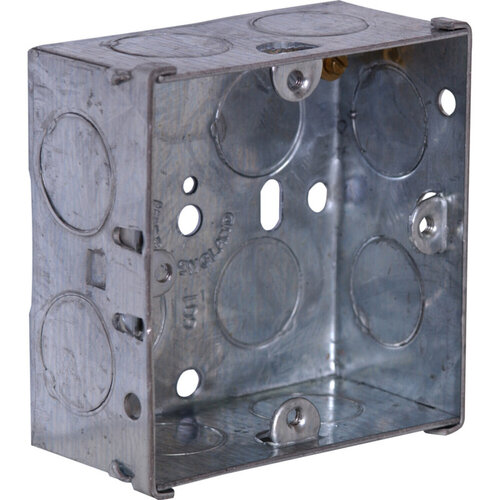
Made4Trade Metal Back Box 1 Gang - 35mm
1-gang metal back box for interior use, 35mm deep
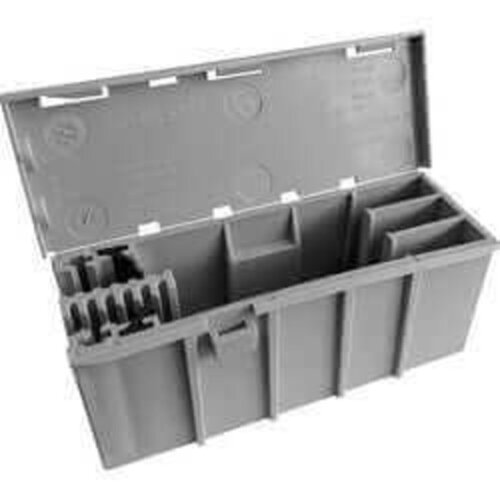
Wagobox 221-4 Junction Box - 108 x 39 x 44mm
Screwless junction box for WAGO 221 series connectors, grey, 108x39x44mm, IP2X
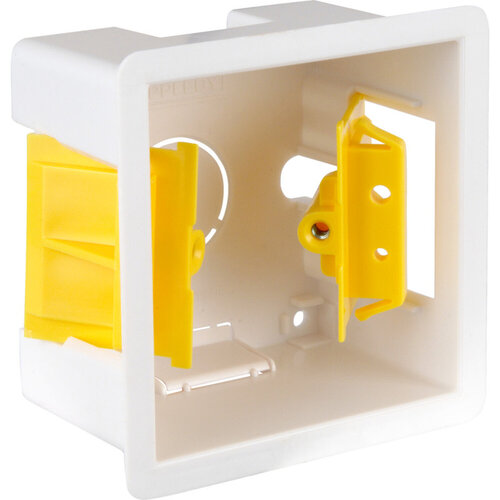
Appleby Dry Lining Boxes - 1 Gang 47mm
1 gang 47mm dry lining box for plasterboard 6.35-15mm
For the Trade
Start with the space you’ve got and how the kit will be used, then narrow the rest from there. In electrical & lighting, the wrong choice is usually the one that fights the layout or leaves you short on the function the job needs. If access is tight, handling and fixing points matter more than finish. If the use is changing, that’s when circuit protection or control features start to matter. Look at the job first, not the accessory list. That is where most wasted time and returns come from.
Cable & Cable Management
For electrical & lighting, the first call is usually whether you need the cable itself or the bits that keep it tidy and protected. If the run is straightforward, you just want the right cable spec and nothing more.
Once you move into containment, clips, trunking or fixings, Cable & Cable Management is the narrower buy. It keeps runs secure and helps avoid damaged sheath and untidy finishes. Keep it separate from lighting and circuit protection. They are different jobs, and mixing them is where things get overcomplicated.
Domestic Electricals
Domestic Electricals is where you narrow things by the job, not the department label. For a straight replacement, a small upgrade, or finishing work, you usually want the simplest kit that matches the existing setup and the load.
If the job needs more control or protection, move across to the relevant Domestic Electricals line rather than forcing a general item to do it. Most call-backs come from mixing the wrong spec with the wrong circuit, not from the product itself.
Lighting
Lighting is the bit you narrow by output, fitting type and how much of the existing setup you’re keeping. A quick lamp swap needs a different answer to a full room refit, and that is where the choice changes.
Some jobs only need a like-for-like replacement. Others are better handled by moving into Lighting with the right control gear or finish. Buying to the fitting name alone is the usual mistake. The beam, colour or dimming can miss the circuit. Keep the rest of electrical & lighting separate and you get to the right product faster.
Power Distribution & Circuit Protection
This is the part of electrical & lighting you buy when the job is about distribution, isolation and protection rather than the visible finish. You’re usually choosing by circuit count, load, and how much room you’ve got in the board or enclosure. That changes the spec more than the brand name.
Go for the simplest setup that covers the circuit and spare ways you actually need. Once you start over-sizing, you’re paying for space you won’t use. If it’s a straight replacement, matching the existing arrangement is often the cleanest route.
Smart Homes
Smart homes is where you choose for control and convenience, not just a straight replacement. The main call is what you want to control, how much of the system needs to work together, and whether you’re adding to what’s already there or starting fresh.
A simple app-controlled job is one thing. Once you want scenes, sensors or wider integration, the kit changes quickly. Get the compatibility right at the start and you avoid awkward returns later. Mixed systems are where the problems usually begin.
Wiring Accessories
Wiring accessories are the bit you pick when the job is about the finish and day-to-day use, not the board or the light fitting. You’re usually choosing between styles, plate finishes, switching options and how much sits on the face of the wall. That changes the look and how it feels in use.
A plain replacement is usually the economical call when you’re matching what’s already there. Stepped-up finishes or extra functions make sense when the spec needs a cleaner result or more control.
The usual mistake is buying on appearance alone, then finding the back box, depth or layout doesn’t suit the job.
What to Check Before You Buy
What usually changes the buy is the job spec, the space you’ve got, and how much of the existing setup you’re keeping. If you’re matching what’s already there, focus on compatibility and finish rather than changing style for no gain.
Where the job needs more control or protection, that points you towards the right circuit protection or control gear. If it’s a straight replacement, simpler kit is usually the cleaner call. With electrical & lighting, call-backs tend to come from buying to the label instead of the circuit, fitting type, or load.
Useful Alongside Electrical & Lighting
Once you’ve picked the main kit, the next call is what finishes the surrounding job cleanly. That usually means panels, screens, storage and the adjacent finish, not another round of product hunting.
Line up the visible parts and the practical bits early, especially where access or existing fixings are already set. The usual mistake is leaving the last pieces until the end and finding the finish doesn’t match the gear. Keep the surrounding products in step with the electrical & lighting spec, and you avoid rework on the last day.
Local availability for Electrical & Lighting