Forks
If you’re choosing forks, start with the job. Digging and lifting soil needs a stiffer, deeper pattern, while lighter garden forks are usually enough for turning compost or working a border. The handle and head matter as much as the label. A heavier steel fork will take more punishment, but you’ll feel it if you’re using it all day. Manure forks and potato forks suit loose material better, where less drag keeps the work moving.
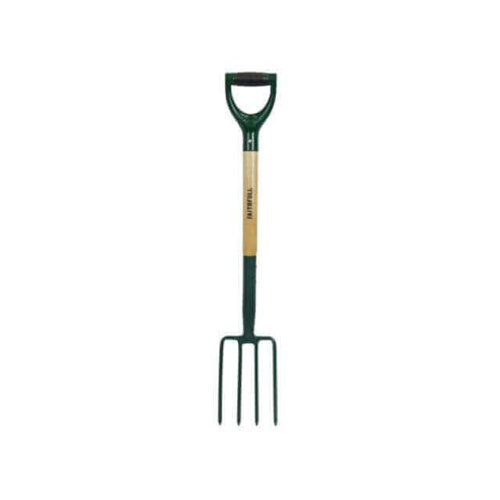
Faithfull Countryman Digging Fork
Digging fork for large open ground, overall length 1050mm
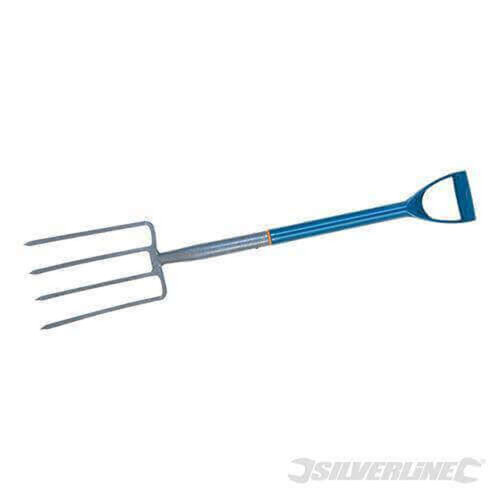
Silverline Border Fork - 930mm
930mm border fork for cultivating and turning soil in borders
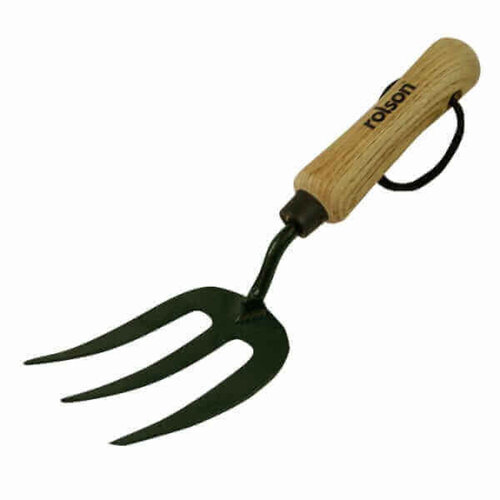
Rolson Carbon Steel Hand Fork
Carbon steel hand fork for gardening and landscaping
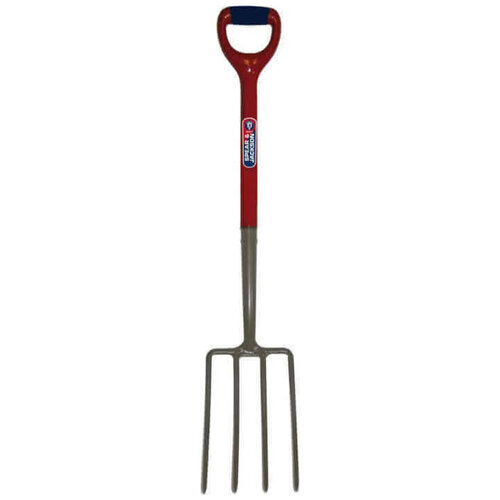
Spear & Jackson Select Digging Fork - Stainless steel
Stainless steel digging fork for durable garden tasks
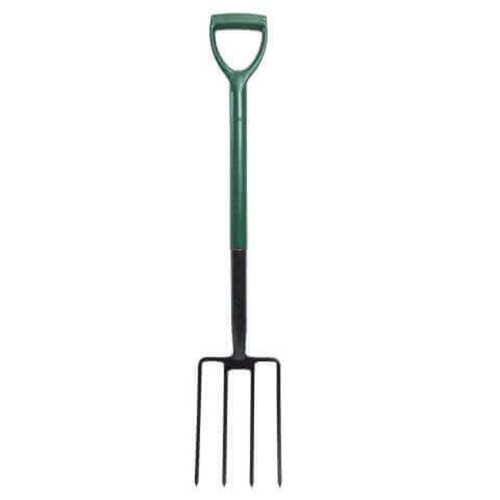
Faithfull Essentials Digging Fork
Faithfull Essentials digging fork for soil turning and garden digging
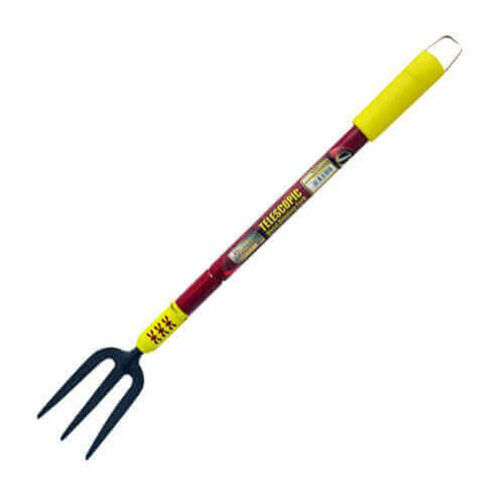
Kingfisher Garden Pro Telescopic Fork
Telescopic garden fork with adjustable length
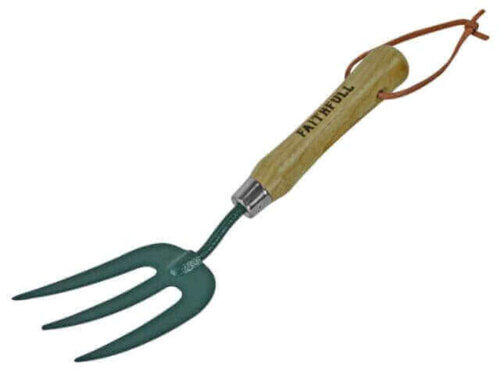
Faithfull Countryman Hand Fork
Hardened carbon steel hand fork with FSC ash handle, ideal for weeding and soil …
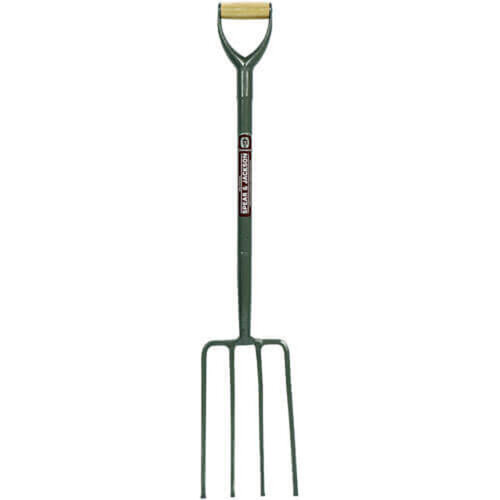
Spear & Jackson Neverbend Contractors Fork
Heavy-duty contractors fork with solid forged carbon steel head and tubular stee…
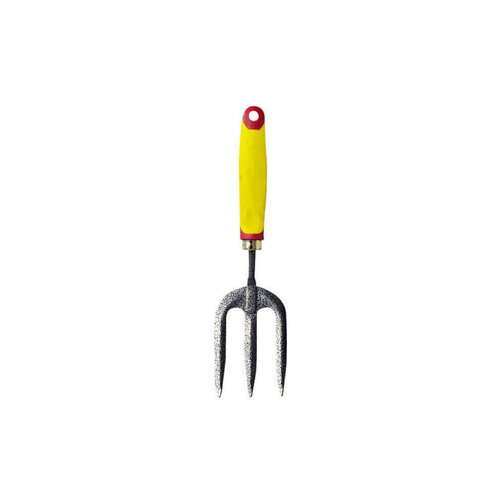
Kingfisher Garden Pro Hand Fork
Compact hand fork for cultivating soil in confined spaces
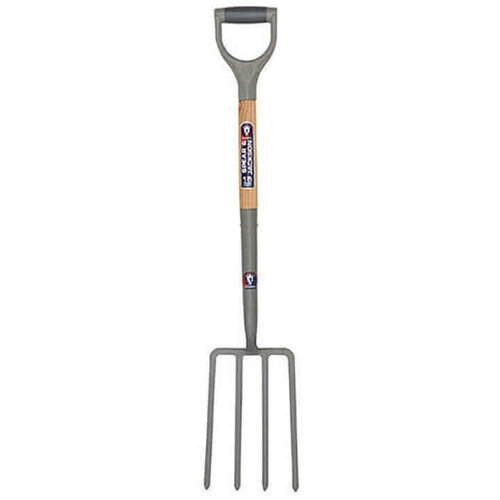
Spear & Jackson Neverbend Digging Fork Carbon Steel
Heavy-duty carbon steel digging fork for turning soil.
For the Trade
Start with what the job is asking of the forks, because that usually decides the pattern before anything else. A stiffer fork suits harder ground and regular site use. A lighter one is easier to live with when you are working all day or moving between small jobs. Border forks earn their keep where space is tight and an oversized head gets in the way. Manure forks and potato forks suit loose material that needs shifting cleanly rather than breaking up. After that, it comes down to hand weight and how much punishment the tool is likely to take.
Fork Options Compared
Digging forks suit firm ground. They give you more bite and a bit more backbone, so they work when the soil needs proper force rather than a light lift. The trade-off is simple - they are less handy in tighter beds.
Border forks are the better call where space is tight. They sit more neatly in smaller beds and let you work without a full-size tool getting in the way. You give up some reach and leverage, but that is the point.
Manure forks and potato forks suit loose, bulky material. They move it cleanly and clog less quickly, which saves time on repetitive clearing. They are not the right choice for firm ground.
If you are building out the rest of the kit, keep the parent Garden Hand Tools page in mind and narrow from there.
Choosing Materials and Size
Material is the quickest way to narrow these down.
Steel forks and carbon steel forks suit tougher daily use. They usually give you a firmer enamelled face, so they cope better when the job is rougher or the tool gets knocked about.
The trade-off is weight. You feel it on a long day, and you notice it in the hand as much as in the work. If you are weighing them against lighter alternatives, it usually comes down to tougher feel or easier handling. If the job moves between heavy use and clean-up work, Axes and Bow Saws are the next kit you would look at.
Completing the Setup
Once you’ve picked the forks, the next call is what’s going around the job. If you’re clearing spoil or moving loose material, a garden trolley cuts down on double handling. If you’re breaking up clods or sorting finer material, garden sieves are the follow-on buy.
For edging and tidying the finish, edging knives and mutts keep the line cleaner than forcing it with a fork. Where the job runs into timber or overgrowth, bow saws and axes usually come into the conversation next. Garden trowels cover the smaller planting and finishing work.
Related searches
Local availability for Forks







