Mattocks & Picks
Mattocks and picks come down to what you’re breaking up and how much weight you want in the head. A mattock usually suits rooty ground and general digging where you need more bite, while a pickaxe is the one you reach for when the job is harder and the ground is tighter or stonier. Lighter garden versions are easier to keep moving on smaller jobs. Heavy duty mattock options give you more drive, but you’ll feel it after a long shift.
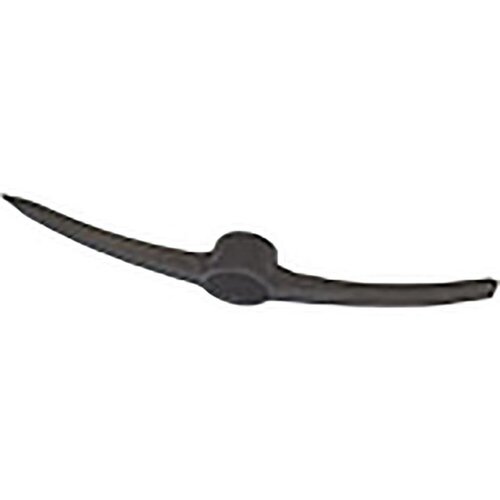
Spear & Jackson Chisel & Point Pick Head
7lb forged carbon steel chisel and point pick head for breaking hard surfaces an…
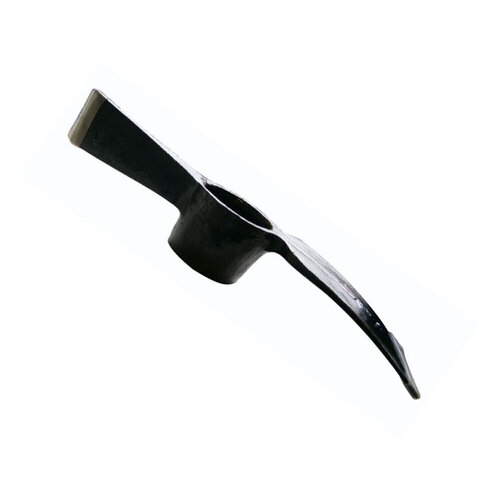
Neill Tools S/J Grubbing Mattock - 5lb
Forged carbon steel grubbing mattock head, 5lb, for breaking heavy ground
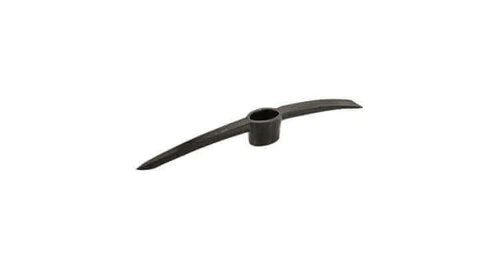
Silverline Pick Head - 7lb
7lb pick head for mattocks and picks
For the Trade
Start with the space you’ve actually got and how hard the ground is, then decide how much tool you can live with. In mattocks and picks, the shorter, lighter end is easier where access is tight or you’re working in smaller areas, but you give up some bite. A heavier mattock or pickaxe earns its keep when you need more drive and less bounce off hard material. It will be slower going, and it will wear you down over a long shift. If the job is mixed, the better call is usually the one that feels balanced in the hand, not the biggest head on the page.
Mattocks & Pick Options Compared
A mattock usually gets the nod when you want one tool to break and lift as you go. It suits compacted ground and jobs where you are clearing out what is left behind as you work.
A pick axe is the cleaner choice when the job is more about splitting hard material or driving into stubborn ground with less drag from the blade.
The trade-off is simple. The mattock gives you more versatility. The pick axe gives you a more direct strike. If you are matching the rest of your kit, start from Garden Hand Tools and then pick the layout that saves you the most effort on the day.
Choosing Materials and Size
What usually decides it is the head shape and how much weight you want through the strike. A heavier mattock gives you more bite and cuts down on repeated blows, but you lose some control in tighter spots.
A lighter pickaxe is easier to place accurately and suits more selective work. If the job is drifting into cutting rather than breaking, move over to Axes. If you are dealing with woody material rather than ground, Bow Saws are the cleaner buy.
Completing the Setup
Once you’ve picked your mattocks and picks, the next call is what sits around the job with them. If you’re clearing spoil, moving rubble or shifting cut material, a garden trolly cuts out a lot of double handling. If you’re stripping back edges or tidying the line after the heavy work, edging knives and mutts are the cleaner follow-on.
For bigger clearances, some lads go straight to forks or rakes and hoes for the finish. That only makes sense once the hard ground’s already broken. The usual miss is buying the striking tool and forgetting the rest of the sequence.
Related searches
Local availability for Mattocks & Picks







