Secateurs
Secateurs come down to what you’re cutting and how much force you want through your hand. Bypass secateurs suit clean live growth and finer pruning. Anvil or ratchet styles are better when stems are tougher or you’re making repeated cuts. Small secateurs are easier to control in tighter work, while heavy-duty models give you more leverage on harder jobs.
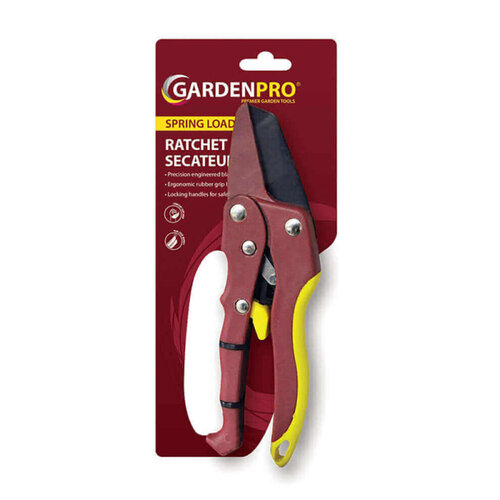
Kingfisher Garden Pro Ratchet Secateurs
Ratchet secateurs for easier garden pruning.
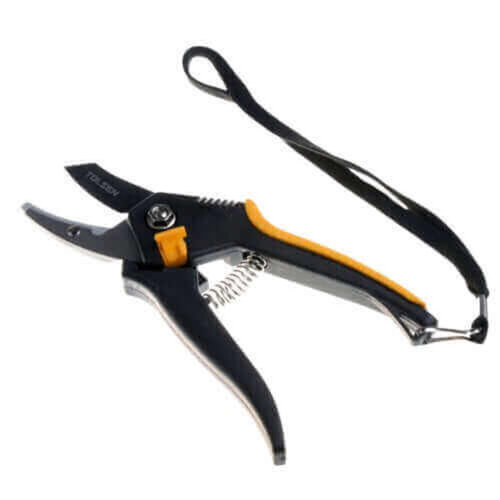
Tolsen Anvil Style Pruning Shear 65Mn Blade - 8"
Anvil pruning shear with 65Mn blade and comfortable handles, 8-inch.
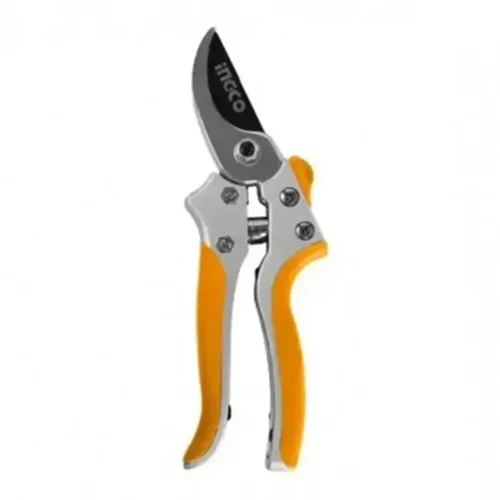
Ingco Industrial Pruning Shear - 8"
203.2mm (8-inch) industrial pruning shear for garden cutting tasks
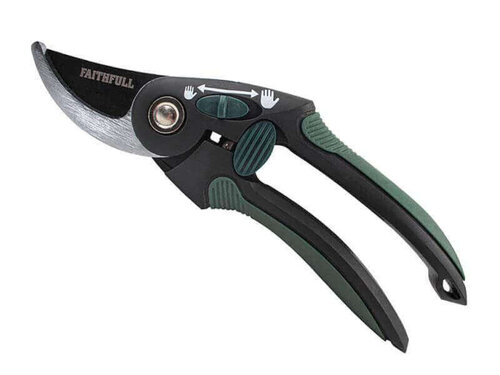
Faithfull Bypass Secateur - 200mm
Faithfull bypass secateurs with 16mm cut capacity, 200mm length
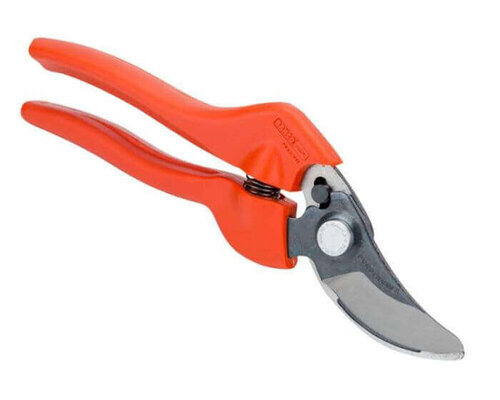
Bahco PG-12-F Bypass Secateurs - Medium 20mm capacity
Bahco bypass secateurs, 20mm capacity, narrow cutting head for precise flower an…
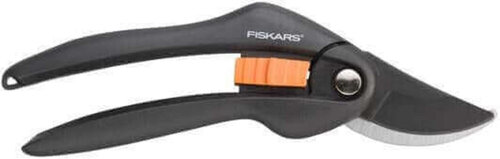
Fiskars Singlestep Bypass Garden Shears
Bypass pruner for fresh wood cutting with PTFE coated blade
For the Trade
Start with the cut you need to make and how much room you’ve got in hand. If you’re on live growth and want a cleaner finish, bypass secateurs are usually the first pick. For harder stems or repetitive cuts, anvil or ratchet secateurs give you more bite and take some strain out of the wrist. Small secateurs help where access is tight, but they’re not the answer for thicker material. Most call-backs come from choosing on finish first and finding the tool doesn’t suit the job.
Secateur Options Compared
Most jobs still come down to three calls: bypass secateurs for clean cuts on fresh growth, anvil secateurs for tougher, drier stems, and ratchet secateurs when you want more mechanical help without moving up to larger tools. Heavy duty secateurs suit repeated use and thicker material, but you give up some finesse and they can feel bulkier in the hand.
Small secateurs are worth a look where access is tight, though they are not the first pick if you are taking a lot of material off. If you are comparing the wider Garden Hand Tools range, the job and the amount of force you want through your hand usually decide it.
Choosing Materials and Size
For secateurs, size in the hand and room around the cut usually decide it. Small secateurs work where access is tight. You give up some leverage, and they can feel cramped on a long day.
Go larger if you want a steadier grip and less hand strain. They are less nimble in dense growth. A lot of lads keep one compact pair and one heavier pair in the van.
Once you are into thicker wood, move up to Axes or Bow Saws. Do not force secateurs through it.
Completing the Setup
Once you’ve picked your secateurs, the next call is what sits around the job and what still needs finishing after the cut.
If you’re clearing back borders, you may move straight on to garden trowels or forks for the soil work. Garden trollies help when you’ve got cuttings and spoil to shift. For heavier clearance, axes or bow saws take over where secateurs stop.
That is where call-backs start if you try to make one tool do everything.
Related searches
Local availability for Secateurs







