Shovels & Spades
Start with what you’re moving and how much room you’ve got. Shovels and spades do different jobs on site. A digging spade suits clean edges and firmer ground, while a shovel is better for lifting, shifting and loose material. Border spades and shorter patterns help where access is tight, but you give up a bit of reach and load. Mouth shape matters too - square mouths move material, pointed blades bite in.
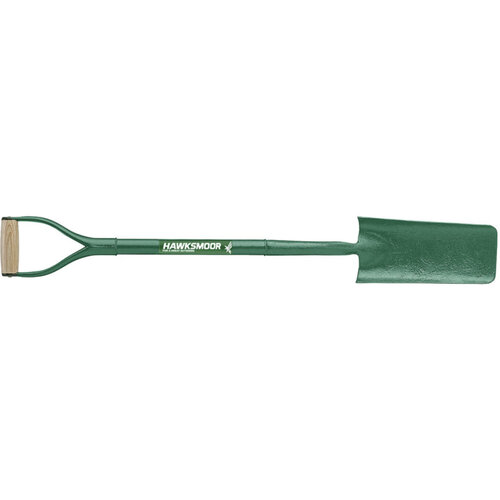
Hawksmoor Cable Layer
Steel cable laying shovel with narrow blade and YD grip.
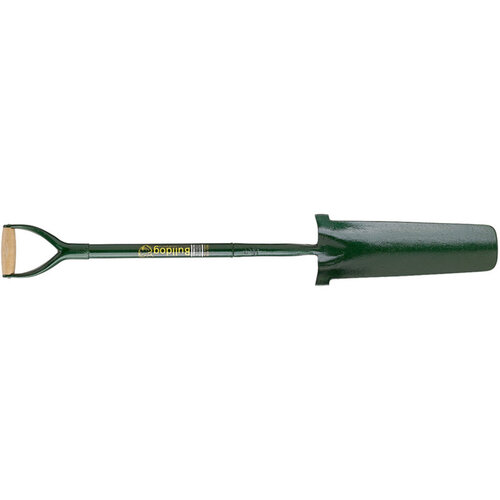
Bulldog Newcastle Drainer - 1066mm (42")
Forged steel drainage spade for digging narrow trenches and post holes.
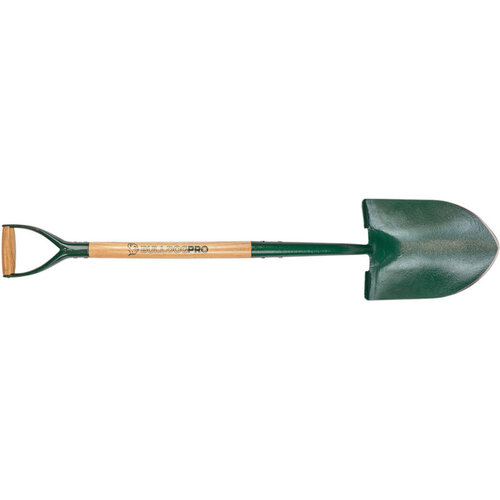
Bulldog Pro Forged Digging Shovel - MYD Handle
Bulldog digging shovel with MYD handle and solid forged head, lifetime guarantee
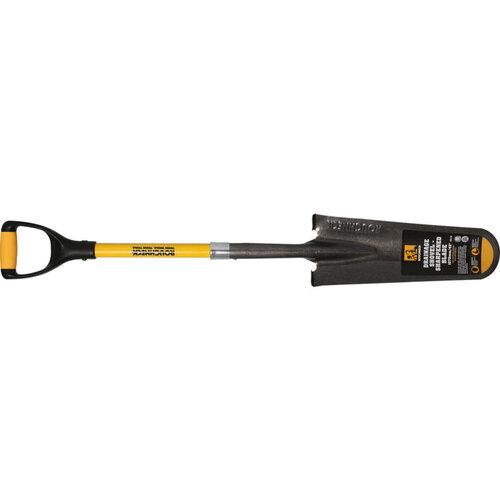
Roughneck Fibreglass Handle Drain Spade - 1070mm
Lightweight drain spade with fibreglass handle and sharpened carbon steel blade,…
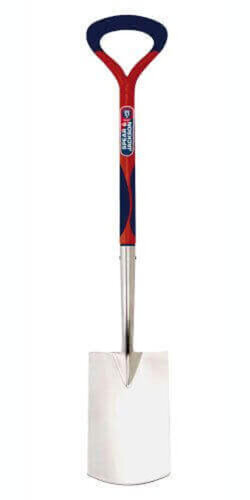
Spear & Jackson Select Stainless Steel Digging Spade
Stainless steel digging spade with mirror polished head, 280x180mm, 39 inch leng…
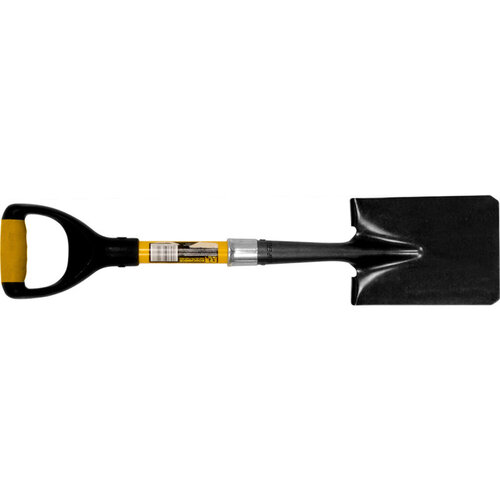
Roughneck Micro Square Shovel - 685mm (27")
690mm micro square shovel for digging in tight spaces, with fibreglass shaft and…
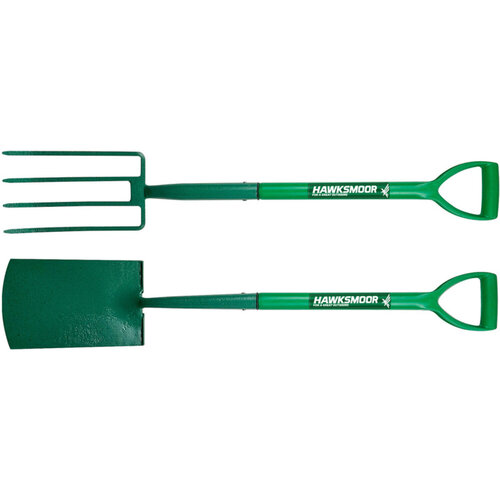
Hawksmoor Twin Pack Spade and Fork - 2 Pack
Carbon steel garden spade and fork twin pack with soft-grip handles and 5-year g…
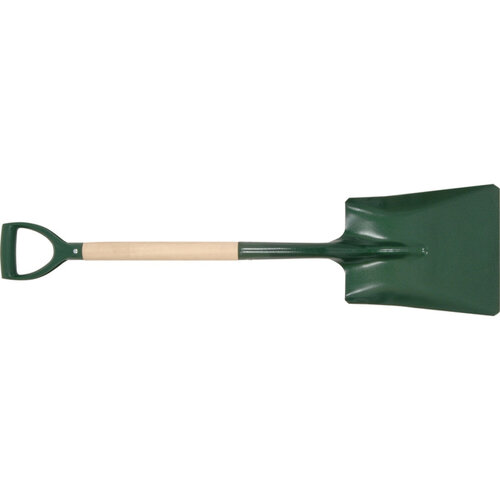
Bulldog Square Mouth No.2 Open Socket Shovel - 1026mm (40")
Square mouth open socket shovel with epoxy-coated steel head, 1026mm
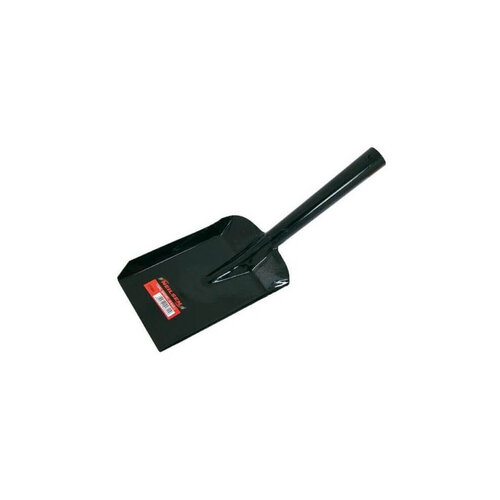
Coal Shovel Small Black Metal Fireplace Contractors Spade Pet Dog Scoop CT282 - …
Small black metal shovel with 5" (127mm) width, suitable for fireplace, contract…
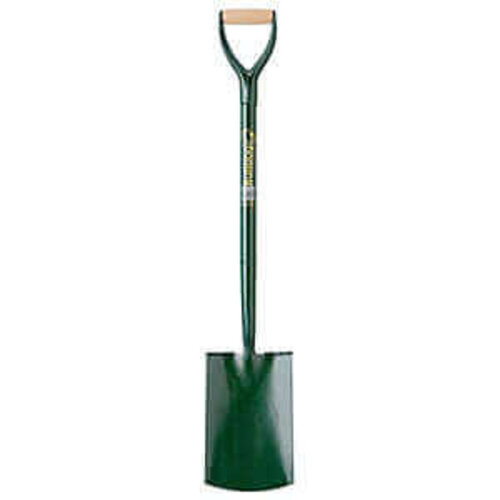
Bulldog All Metal Digging Spade
All-metal digging spade with solid forged carbon steel head and rust-proof shaft
For the Trade
Start with the space you’ve got and how the tool will be used on the job. That usually fixes the shape before anything else. In tight beds or awkward access, a shorter border spade is easier to work with and less clumsy to carry through a finished area. If you’re shifting spoil, loose material or backfilling, a shovel with a bigger mouth saves time, but it’s less neat where you need a cleaner cut. On heavier ground, go up in build rather than chasing a lighter handle. The cheap one is often the first to bend or come back loose.
Popular Shovels & Spade Formats
Garden spades suit jobs that need a cleaner cut and a straighter edge. Garden shovels are better when you’re lifting, shifting or tipping loose material.
Digging spades give you more bite in harder ground. Digging shovels make more sense when you’re moving spoil rather than slicing into it. Match the tool to the task before you pick from Garden Hand Tools.
Key Differences When Choosing
For shovels and spades, start with the job. A sharper, stiffer blade suits harder ground. A broader mouth works better for spoil, sand, or loose material when you need to move it quickly.
Handle length matters too. Too long and it becomes awkward in tight access. Too short and you lose leverage. For edging or trenching, a more specialised shape usually makes more sense. For mixed groundwork, a general-purpose tool is less fussy.
Once you’re into roots or timber, move onto Axes or Bow Saws. Don’t force the wrong tool at it.
Next Decisions After Choosing
Once you’ve picked your shovels and spades, the next call is what goes back in around the work. If you’re finishing beds or screening off a rough edge, sort the surrounding finish first. That’s where the job looks tidy, or gets left patched.
Storage matters too if the tool’s staying on site. A bent blade or loose handle is usually down to how it’s been chucked about, not how it was used. Keep the rest of the kit in step with the job, and you won’t buy a good digging tool only to slow yourself down with the wrong finish around it.
Related searches
Local availability for Shovels & Spades









