Garden Hand Tools
If you’re buying garden hand tools, start with the work they’ll see most days - light planting and tidying, or heavier digging and cutting where a cheaper tool soon feels loose or tired. Weight, handle shape and blade or head strength usually matter more than a long spec list. For trade garden tools, go sturdier. For smaller, quicker jobs, lighter hand gardening tools are easier to live with.
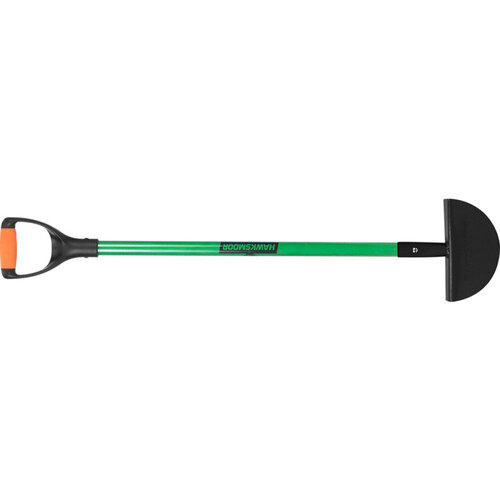
Hawksmoor Carbon Steel Lawn Edger - 200mm
200mm carbon steel lawn edger with treaded blade and soft-grip handle
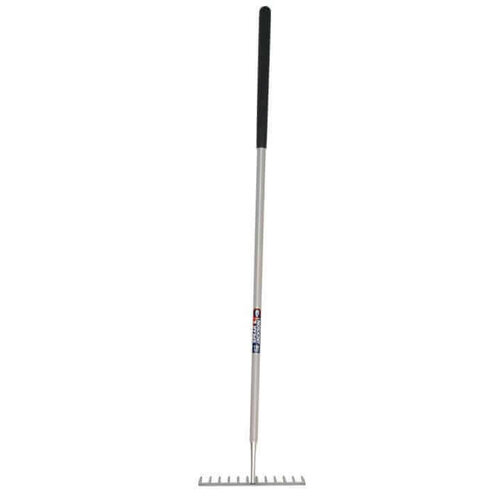
Spear & Jackson Neverbend Soil Rake Carbon Steel
Spear & Jackson Neverbend carbon steel soil rake
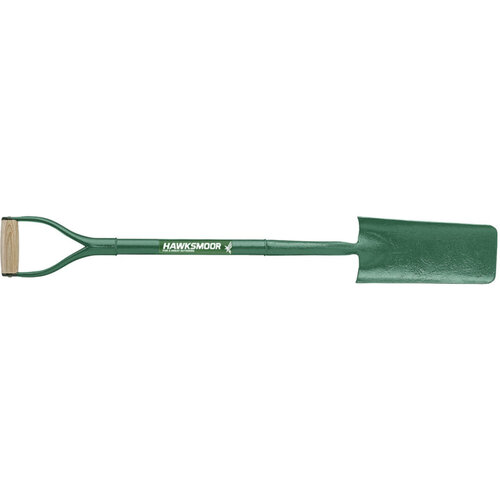
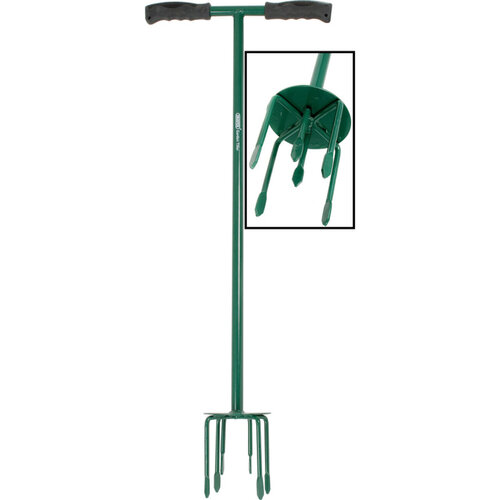
Draper Garden Tiller - 820mm (32")
820mm manual tiller with six tines and soft-grip handles
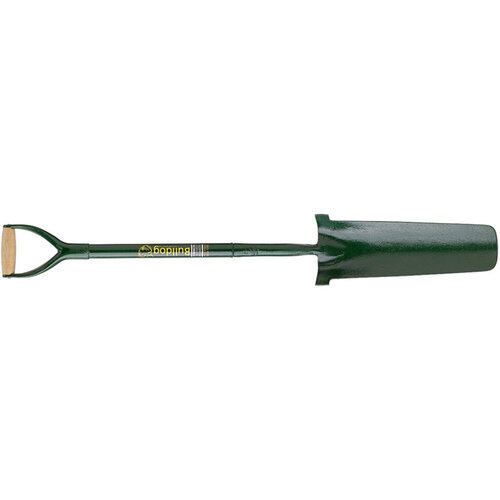
Bulldog Newcastle Drainer - 1066mm (42")
Forged steel drainage spade for digging narrow trenches and post holes.
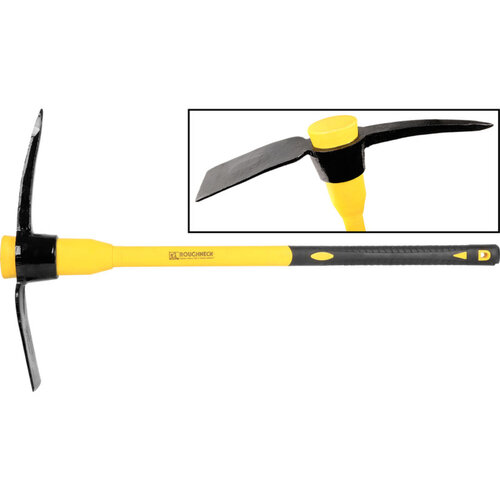
Roughneck Pick & Mattock - 36" Handle (5lb)
Tough pick mattock with 900mm fibreglass handle for heavy-duty digging and break…
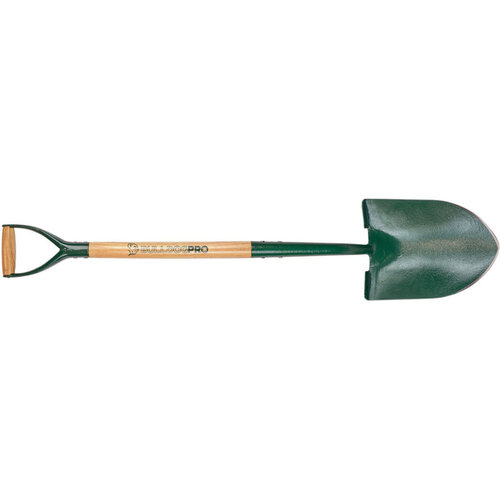
Bulldog Pro Forged Digging Shovel - MYD Handle
Bulldog digging shovel with MYD handle and solid forged head, lifetime guarantee
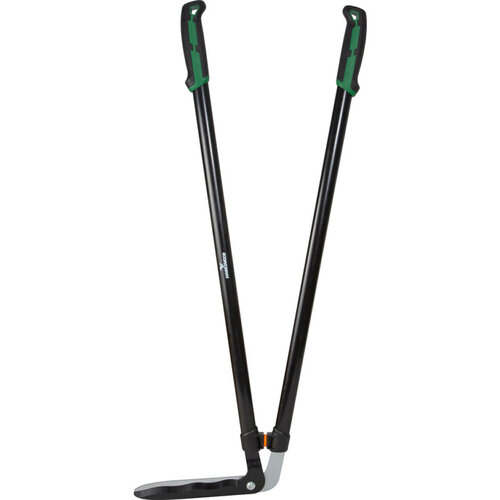
Hawksmoor Border Shears
990mm edging shears with carbon steel blades for trimming grass borders
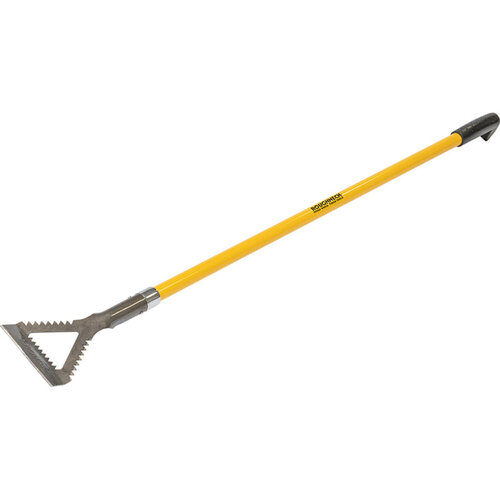
Roughneck® Sharp-Edge Dutch Hoe - 1500mm (59")
Dutch hoe with 1.5m fibreglass handle, sharp front blade, and serrated back/side…
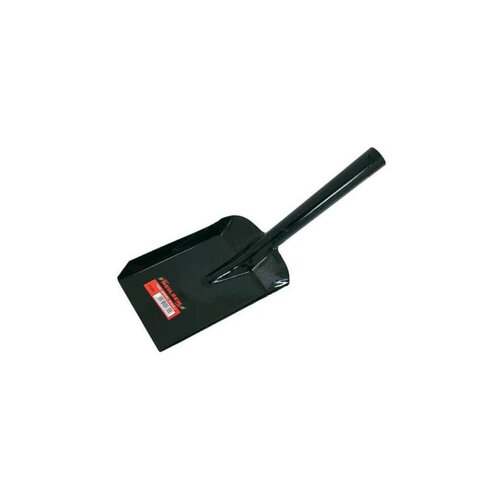
Coal Shovel Small Black Metal Fireplace Contractors Spade Pet Dog Scoop CT282 - 5"
Small black metal shovel with 5" (127mm) width, suitable for fireplace, contract…
For the Trade
Start with the space you’ve got and how you’ll use the tools on that job. That usually settles the order before you get into finishes or extras. In tight beds or awkward access, smaller hand gardening tools are easier to handle and less likely to get in the way. On heavier ground or repeat use, trade garden tools with a sturdier build usually make more sense, even if they cost a bit more. A lot of call-backs come from buying on looks rather than use. The tool that feels fine in the yard can be the one that feels wrong once it’s been used all day.
Axes
Axes are usually for chopping, splitting and clearing work, not general garden hand tools. A lighter head is easier to keep moving on brash and smaller timber. A heavier pattern gives you more bite when the wood is stubborn.
Handle length matters too. Longer gives you more swing, but it is less handy where access is tight. If you are only buying one cutting tool for the job, this is the one that earns its keep. For cleaner cuts on branches, Axes sit alongside the rest of the hand gardening tools, but they are the one you reach for when impact matters more than finesse.
Bow Saws
Bow Saws are the one you pick when you need a hand saw for thicker green wood without moving to power tools. They suit jobs where reach and cut speed matter more than a neat finish. Smaller garden hand tools still make more sense for lighter trimming and detail work.
The frame gives you more control on awkward cuts, but it is bulkier than a folding saw, so access can decide it. Start with the timber size and how much room you have to work in, then move to Bow Saws when that is the right fit.
Edging Knives & Mutts
For edging work, you’re usually choosing between a clean cut and how much effort you want to put in. Edging Knives & Mutts are the pick when the line matters and you want a sharper finish along borders, paths or turf edges.
They’re not for general digging, and that’s the point. A lot of call-backs come from using the wrong tool and forcing the edge. If you’re already carrying garden hand tools for the rest of the job, this is the narrower buy that saves time where a spade just leaves too much behind.
Fencing Tools
Fencing tools come down to how much fixing you’re doing and how rough the timber is. If you’re setting posts, tensioning wire or making good repairs, you want tools that give you leverage and stay steady under load.
That’s where heavier trade garden tools usually earn their keep. Lighter hand gardening tools are fine for quick adjustments, but they’ll slow you down once the job turns into repeated pulling, nipping or driving. For the odd repair, keep it simple. For a full run of fencing, buy for the strain, not just the first post.
Forks
Forks are what you reach for when the job needs lifting, loosening or turning rather than cutting. Most of the time, the choice comes down to how hard the ground is and how much strain you want on your back and wrists.
A lighter pattern works better in looser soil and around established planting. A heavier fork gives you more bite in compacted ground, but it is slower in the hand. That trade-off matters more than a long spec list. A fork that feels right in the first few lifts usually saves you grief later.
Garden Sieves
Garden sieves come into play when you need a cleaner finish on soil, compost or topdressing. They are not for shifting bulk material.
The main call is mesh size and frame strength. Finer mesh gives you a cleaner grade, but it slows the work. Coarser mesh clears quicker and leaves more in the mix. If it will see regular use, go for the sturdier pattern. The weak point is usually the frame or the mesh pulling loose.
What to Check Before You Buy
What usually decides it is the job in front of you and how hard you’re going to lean on the tool. Lighter garden hand tools suit quick planting, trimming and tight access, but they’ll show wear sooner if you’re working hard ground all day.
Heavier trade garden tools cost more in weight and fatigue, but they hold up better when you’re on repetitive site work. Handle length and grip matter too - a shorter pattern is easier in confined beds, while a longer one gives you more reach and leverage.
If you’re buying hand tools for gardening for regular use, check the balance as well as the head size. That’s the trade-off with small garden hand tools: they’re easier to work in tight spaces, but you give up reach and leverage, so they’re the wrong pick if you need to push through tougher ground. Poor balance is what usually feels wrong after an hour.
Useful Alongside Garden Hand Tools
Once you’ve picked the right garden hand tools, the next call is usually what finishes the job around them. That means storage for the kit, screens where you need to hide a working area, and any panels or edging that tidy the surrounding space properly.
A lot of call-backs come from leaving the last details to chance. Buy the hand tools for the work itself, then sort the adjacent products to suit access, exposure and how much wear the area will take.
Related searches
Local availability for Garden Hand Tools