Garden Power Tools
Garden power tools usually come down to three things first: power source, run time, and how much kit you want to carry. Cordless suits jobs where access and quick turnaround matter. Electric garden tools make sense if you’re working near a supply and want to keep the spend down. Petrol garden tools still earn their keep when you need longer running and don’t want to be tied to a lead.
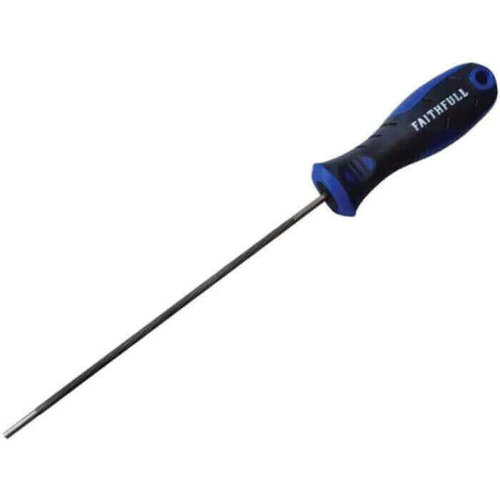
Faithfull Chainsaw File - 200mm
200mm single-cut chainsaw file for sharpening round hooked teeth
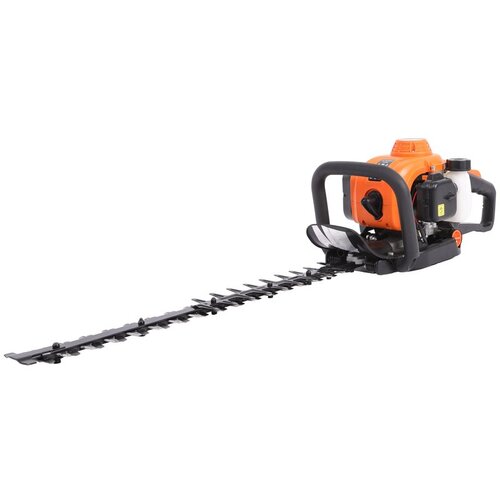
Yard Force 25.4cc Petrol Hedge Trimmer - HT260E
Yard Force 25.4cc petrol hedge trimmer with 550mm cutting length
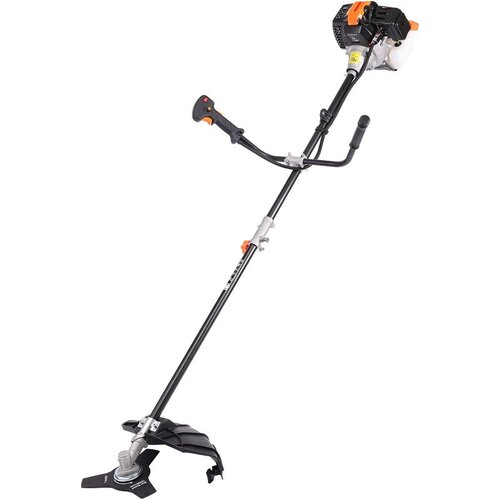
Yard Force 42.7cc 42cm Petrol Brush Cutter - BC415
42.7cc petrol brush cutter with 255 and 420 millimetre cutting diameters
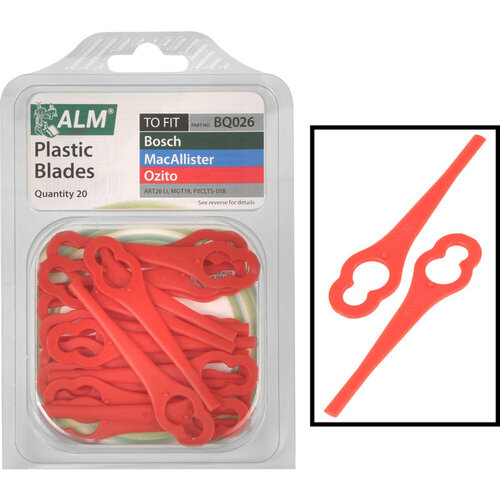
ALM Trimmer Plastic Blades - 20 Pack 20 Pack
Replacement plastic trimmer blades for Bosch and Einhell battery trimmers, pack …
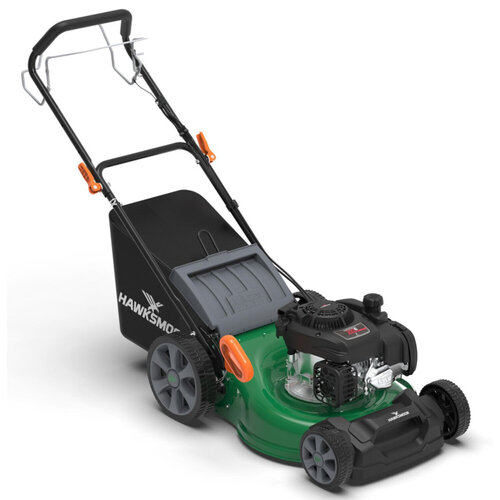
Hawksmoor Briggs & Stratton Self Propelled Petrol Lawnmower - 125cc 46cm
Self-propelled petrol lawnmower with 46cm cutting width and 125cc Briggs & Strat…
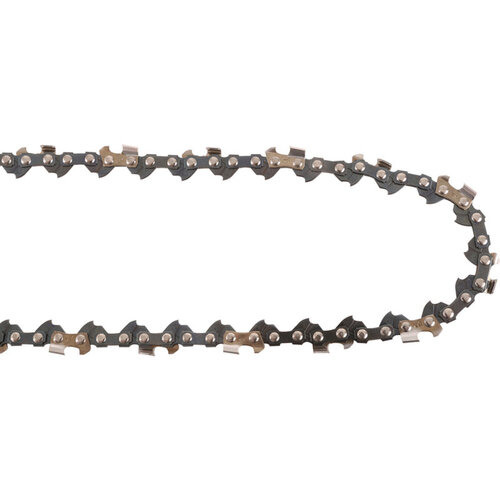
ALM Universal Chainsaw Chain - 35cm - 53 Links
35 cm universal chainsaw chain with 53 links
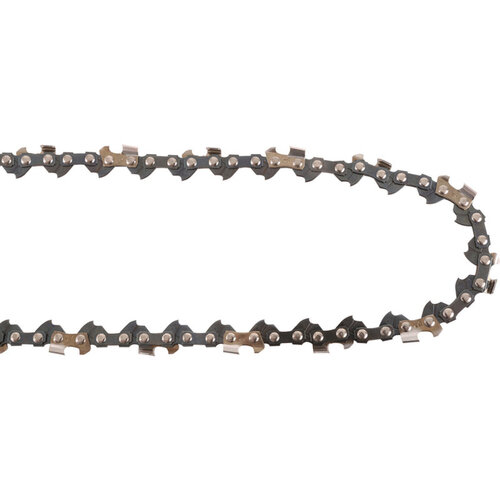
Hawksmoor Chainsaw Chain - 40cm - 57 Links
40cm chainsaw chain with 57 links, 3/8" pitch
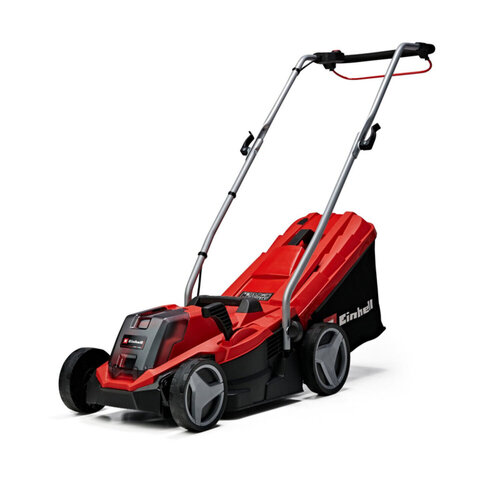
Einhell PXC 18V Brushless Cordless Lawn Mower 33cm - 1 x 4.0Ah
Cordless lawn mower, 33 cm cutting width, brushless motor, includes 4.0Ah batter…
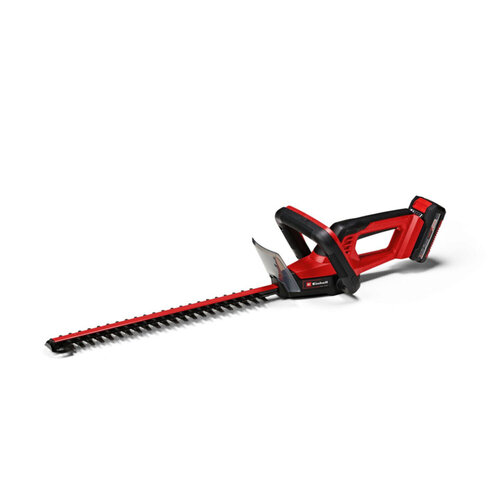
Einhell PXC 18V 40cm Cordless Hedge Trimmer - 1 x 2.0Ah
Cordless hedge trimmer with 40cm blade, includes 2.0Ah battery and charger
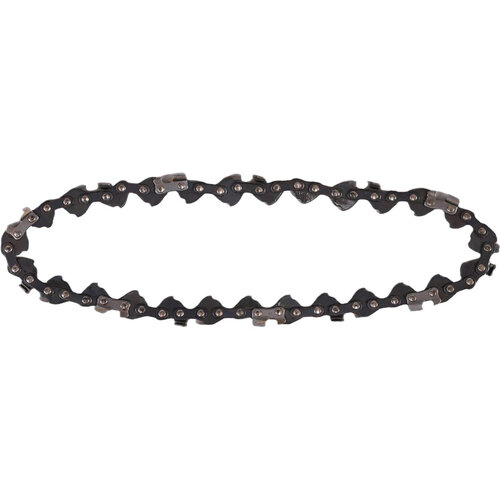
Hawksmoor 5" Mini Chainsaw Chain
127 millimetre replacement chain for Hawksmoor mini chainsaws
For the Trade
Start with the space you’ve got and how the kit will be used. That usually cuts the choice down before you get into finishes or extras. If access is tight or you’re moving between jobs, Landscaping & Outdoors is the right place to orient yourself, then narrow the garden power tools by what needs doing that day. A compact machine is easier to handle. A heavier unit may suit longer runs. At the counter, fit the tool to the job first, then look at the accessories.
Blowers & Garden Vacs
Blowers & Garden Vacs come down to how you want to handle loose debris. Blowers move it fast across hard surfaces and along edges. Vacs make more sense when you want to collect the waste as you go.
The trade-off is straightforward. Vacs are usually slower, and wet or heavy material can clog them. Pick this branch when clean-up is the job, not the afterthought.
Chainsaws
For timber cutting, Chainsaws are the narrower buy in this range. The rest of the kit is usually for lighter trimming, clearing, or finishing work.
The choice comes down to how you want to work. Cordless keeps the kit easy to move. Electric suits steady work near a supply. Petrol still gets picked where you do not want to be tied to a lead. Pick the wrong one and you lose time, or end up with a machine that is underdone for the job.
Garden Multi-Tools
Garden Multi-Tools suit jobs where one power unit needs to handle a few light-to-medium tasks without bringing out separate machines. They work well for smaller crews and repeat maintenance, especially when swapping attachments is quicker than loading another tool. The trade-off is simple: you give up some outright performance against a dedicated machine.
That is what sets them apart from the rest of the garden power tools range. If the job is mainly one task, a single-purpose unit usually makes more sense. If you want to keep the kit list lean, Garden Multi-Tools are the narrower buy.
Garden Power Spares
Garden power spares are what you buy when the machine is still worth keeping, but the wear parts are slowing it down. You’re usually weighing up a quick fix against a proper refresh.
A blade, spool, filter, line, chain or guard can get a tool back in service, but only if the rest of it is sound. Check compatibility first. Don’t assume one fitting suits every make.
If the machine is chewing through parts, spares are the sensible buy before you start pricing a replacement.
Garden Shredders
Garden shredders are the one you pick when you need cut material reduced to something easier to handle or compost, not just moved out of the way. The main call is what you’re feeding it and how much of it there is.
Light garden waste and mixed soft growth are one thing. Thicker woody offcuts need a machine that won’t keep stalling or leave you waiting. Match the shredder to the waste first, then look at the rest of the range.
Grass Trimmers
Grass trimmers are what you reach for when the mower can’t finish the job cleanly. They handle fences, posts, and edges that need tidying rather than a full cut.
The main choice is how much trimming you do and how long you need to keep going. Electric garden tools suit lighter, regular work where power is close by. Petrol garden tools make more sense on bigger plots or rougher ground when you do not want a lead in the way. Cordless kit sits between the two for movement and speed, but battery weight and runtime still matter.
Selection Factors for Garden Power Tools
For garden power tools, start with how you’ll use the kit day to day. If you want lighter handling and less fuss with fuel, cordless or electric garden tools make sense. If you need longer continuous use or you’re away from a power source, petrol still has its place, but you give up some weight and noise.
On bigger jobs, Outdoor Projects often drives the choice. Access, run time and how much kit you’re carrying matter as much as the task itself. Choose on convenience alone, and you often end up with a machine that is awkward for the job.
Finish the Room
Once the main machine is chosen, the next call is usually what keeps it working and what the job leaves behind. If the tool is going into regular use, crews often add garden power spares there and then. It is cheaper than losing a day over a worn part.
If you are clearing up as well, the next buy is often a blower, vac or shredder rather than another cutter. That finishes the job properly. Garden power tools are one part of it. The rest is keeping waste moving and the kit ready for the next call.
Related searches
Local availability for Garden Power Tools