Plant & Tree Ties
If you’re choosing plant ties, start with what you’re supporting and how long it needs to stay in place. Soft plant ties suit stems and young growth where you want less marking. Heavier tree ties give you more hold on larger stock. Reusable and adjustable types save time on repeat jobs. Tape and roll formats are quicker when you’re tying out a lot of plants. The usual mistake is buying for the plant, not the load - that’s when ties slip or end up too tight.
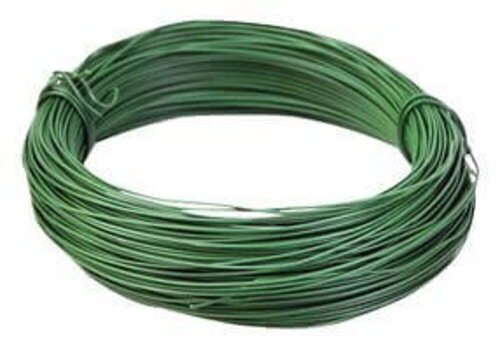
Kingfisher Multi Purpose Garden Wire - 30m Green
Green multi-purpose garden wire, 30 m length
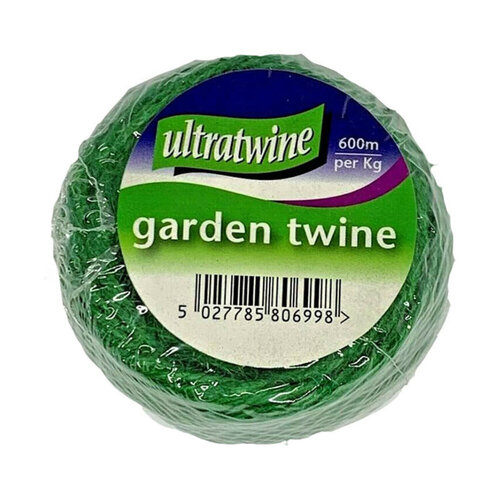
Ultratwine Garden Twine - Green Case of 6
Green garden twine, case of 6, for plant support and tying
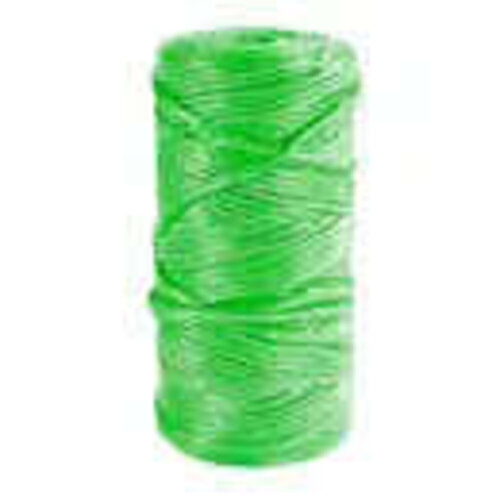
Horticultural Tie Twine - 140m Green
Green horticultural tie twine, 140m roll
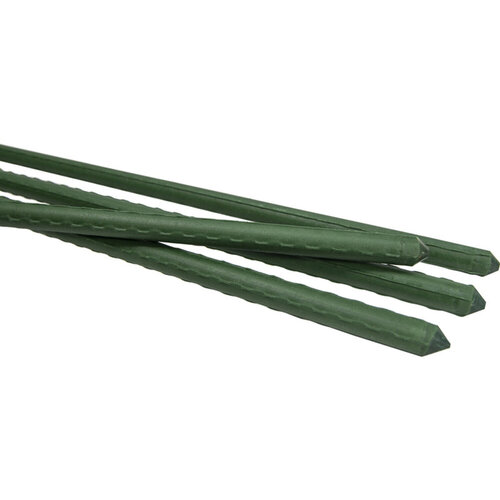
Garden Stake - 1800mm x 16mm
Green plastic-coated steel garden stake, 1800mm x 16mm
For the Trade
Start with what the tie has to hold and how long it needs to stay in place. For short-term support, lighter plant ties are usually enough and quicker to work with. Once you’re dealing with larger stock or exposed positions, you need more grip and less movement. Soft plant ties suit stems that need a bit of give. Tree ties come in when the load is higher and a loose fix will come back to you. Reusable options suit repeat jobs, though they are not always the quickest fit when you are tying out in volume.
Plant & Tree Tie Types and Layouts
Fixed lengths suit tidy runs where you know the spacing and want less waste. Pre-cut garden plant ties are quicker to fit, so they work well on repeat jobs.
Plant tie rolls and plant tie tape give you more control on mixed layouts and awkward gaps. You cut what you need, but that extra flexibility adds a bit more handling.
Soft plant ties suit tender growth. They protect stems, but they are not the right pick where the support needs to stay firm under weight.
Reusable plant ties make sense when you will return to the same stock later. They take longer to fit than a simple cut-and-go tie.
For heavier work, tree ties are the better fit. The load and fixing method matter more than speed.
What to Check Before You Buy
Material usually settles it. Rubber plant ties suit jobs where you want a bit of give and less marking on the stem, especially on stock that moves in the wind or gets handled again later.
They are bulkier than lighter plant ties, so you lose some neatness. In return, you get a softer hold and less chance of cutting in. On mixed stock, that extra forgiveness matters. If the job is more about bulk clearance than support, Garden Bags or Compost are the next buys, not a different tie.
Useful Alongside Plant & Tree Ties
Once you’ve picked the ties, the next question is what they’re fixing to and what else is going in around it. If you’re finishing a border or bed, you’ll often be into compost or top soil before the ties get used, and garden bags come in once you’re clearing the offcuts and spoil.
For larger runs, tree ties usually sit alongside stakes and guards, while lighter plant ties are enough where you’re just holding growth in line. It comes down to load, access and how often you’ll be back to adjust it. Get that wrong and you end up revisiting the same stock.
Related searches
Local availability for Plant & Tree Ties




