Decking
Decking usually comes down to three calls: the finish you want, how much maintenance you’ll take on, and whether the job needs boards, planks or a full run of decking boards. Timber decking still gets picked when price and a natural look matter. Composite decking suits jobs where you want less ongoing upkeep and a more consistent finish. Hardwood gives you a denser, harder-wearing feel, but it’s heavier and usually costs more, so it’s not the first shout when access or handling is tight.
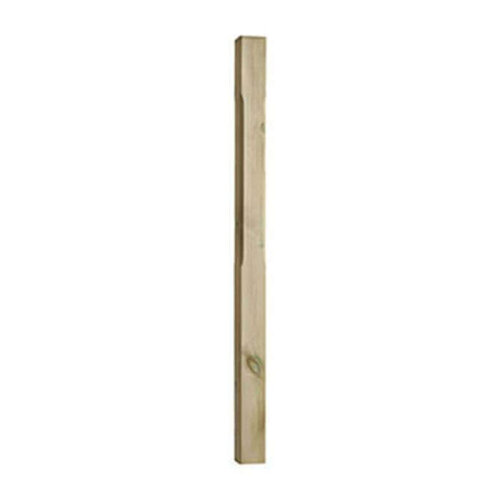
Cheshire Mouldings Decking Stop Chamfered Newel Post Treated Pine - 83mm x 83mm …
Treated pine decking newel post with stop chamfered design, 83x83x1300mm
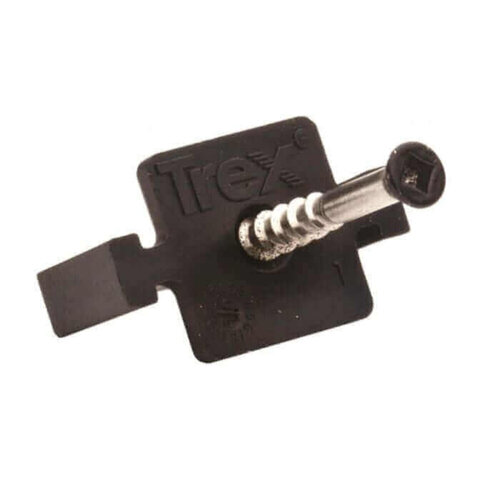
Trex® Universal Clip for Grooved Decking Board - 90 Pack
90-pack of universal clips for hidden grooved decking fixing, covering 4.6m²
Decking Stop Chamfered Spindle Treated Pine - 41mm x 41mm x 895mm
Treated pine stop chamfered spindle for decking, 895mm long
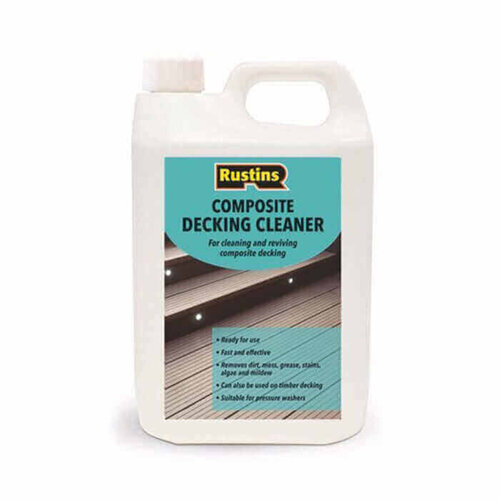
Rustins Composite Decking
Composite decking cleaner for dirt, algae and mildew
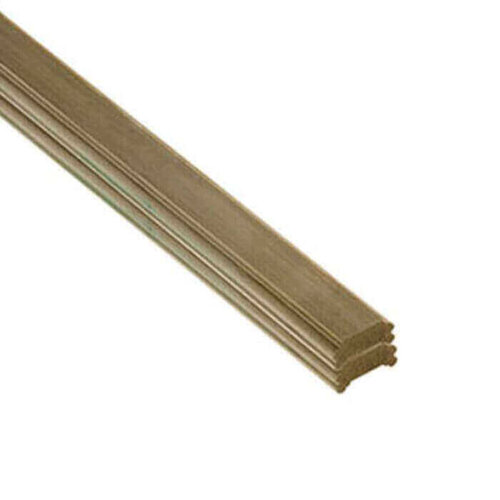
Cheshire Mouldings Universal Decking Rail Treated Pine - 38mm x 75mm x 2400mm
Treated pine decking rail, dual role as handrail or baserail, 38x75mm
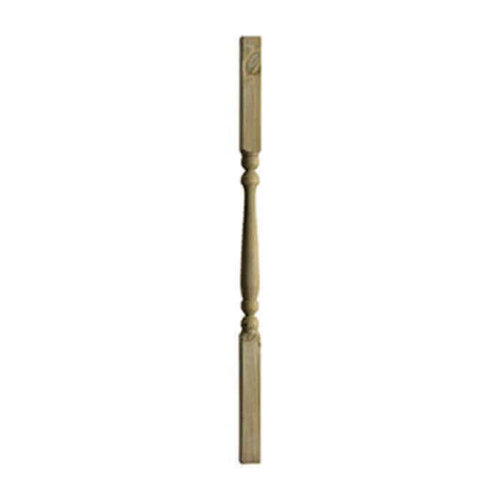
Cheshire Mouldings Decking Edwardian Spindle Treated Pine - 41mm x 41mm x 895mm
Treated pine Edwardian decking spindle with turned profile, 41x41x895mm.
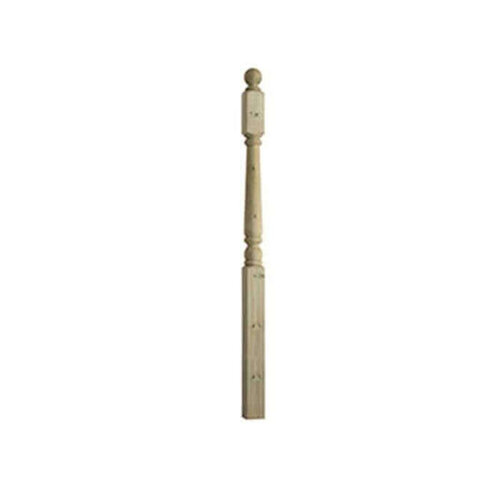
Cheshire Mouldings Decking Newel Post with Ball Newel Cap Treated Pine - 83mm x …
Treated pine decking newel post with ball cap, 83x83x1500mm
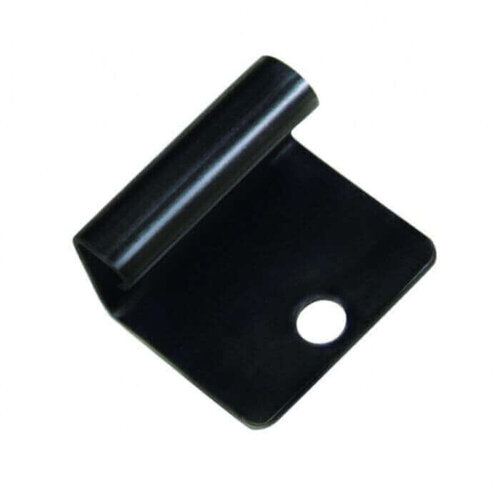
Trex® Start Clip for Grooved Decking Board - 36 Pack
Stainless steel Trex start clip for grooved decking, 36-pack
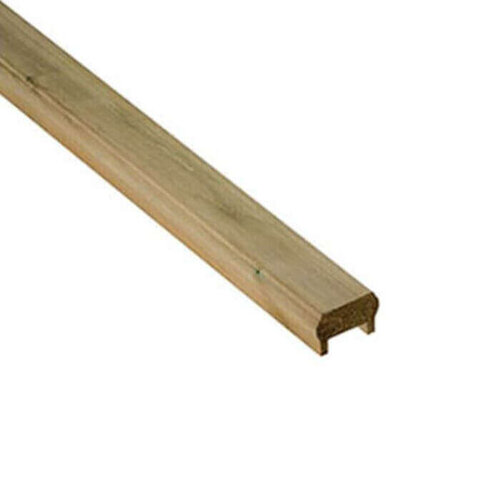
Universal Decking Rail Including Fillet Treated Pine - 44mm x 68mm x 1800mm
Treated pine decking rail with fillet, 44mm x 68mm x 1800mm, for external use
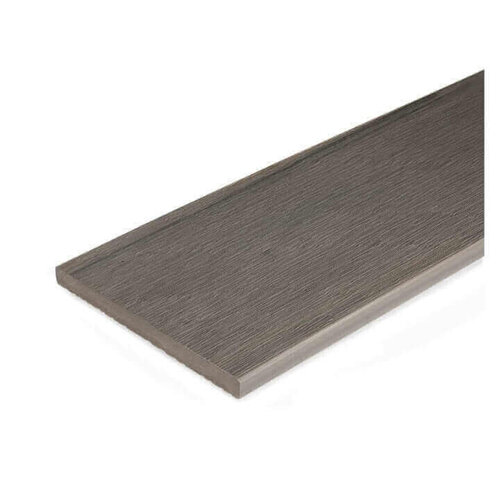
iSeries Composite Deck Fascia Board - 2.2m 150mm x 12mm Pewter
Composite deck fascia board in pewter, 2.2m length.
For the Trade
Start with the load, the span and how much movement you can tolerate. That usually changes the spec before anything else. On a straightforward job, boards that are easy to handle and quick to fix save time. On a heavier-use area, you need a board that feels more stable underfoot and won’t need much looking after. Timber decking is still the common call when price matters and you want a natural finish. Composite is the one people move to when they want less upkeep. Hardwood sits higher up the range, but the extra cost only makes sense if the job justifies it.
Popular Decking Formats
If you’re narrowing decking down for a job, the first call is usually between softwood decking and hardwood decking.
Softwood decking is the common pick when you want an economical board that’s easy to work with. The trade-off is care. It needs the right treatment and a bit more attention on finish.
Hardwood decking suits jobs that need a denser board and a more premium feel. It’s heavier, and it usually costs more.
Pressure treated decking sits in the middle when you want timber without taking on untreated stock. Grooved decking or anti slip decking makes more sense where grip matters more than a plain face.
If you’re comparing the wider Outdoor Projects range, the split usually comes down to finish, handling, and how much upkeep the client will accept.
Key Differences When Choosing
Composite is the usual pick when you want less day-to-day upkeep and a more consistent finish. It’s heavier to handle, and you get less room to trim back if the layout changes on site.
Timber decking still makes sense when you want lighter boards, easier cutting and a lower material cost. The trade-off is more maintenance and more variation from board to board. Hardwood decking suits jobs that need a firmer feel underfoot, but it’s harder work to move and usually costs more.
If the run is tying into Decorative Stones or finishing against Fence Posts & Panels, sort the edge detail early. That’s where mixed materials usually show up.
Next Decisions After Choosing
Once you’ve settled the decking itself, the next call is what finishes the edges and the surrounding run. That usually means edging, screens, and any surface treatment where the deck meets planting or a boundary.
If the deck sits tight to a fence line, sort the fence posts and panels at the same time so the heights and fixings work together. Where the deck drops into gravel or planting, decorative stones give a cleaner finish and keep the edge tidy.
Related searches
Local availability for Decking







