Decorative Stones
Decorative stones usually come down to the finish you want, how much traffic the area gets, and whether you need a cleaner, more even look or a looser gravel feel. Decorative gravel and decorative pebbles suit different jobs, while decorative chippings give a firmer, more angular finish that tends to stay put better underfoot. White decorative stones show dirt sooner. Black decorative stones can look sharper, but they also show dust and debris. Mixed garden stones are often picked where you want a less dressed-up look.
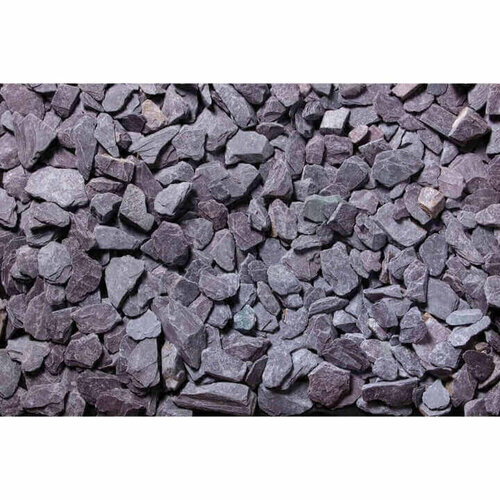
Blue Slate - 40mm 20kg maxi bag
Blue slate stones, 40mm size, in 20kg maxi bag.
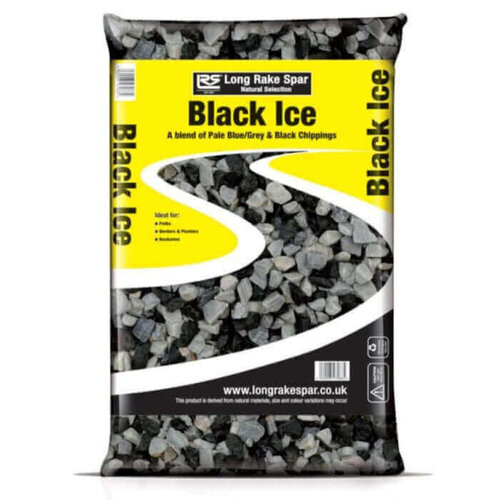
Black Ice Bag - 20mm 20kg
20mm Black Ice gravel chippings, basalt & marble mix, 20kg bag.
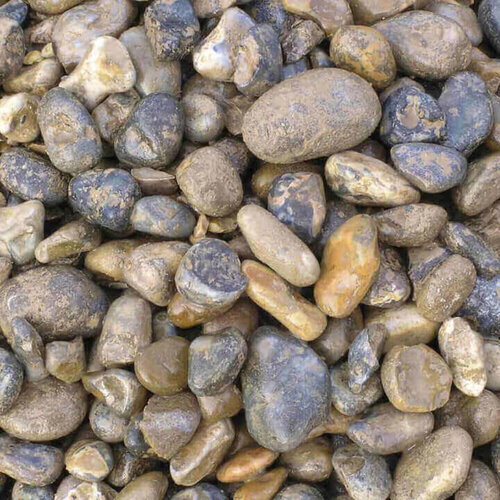
Scottish Pebbles - 20-40mm 20kg Maxi Bag
20-40mm Scottish pebbles in 20kg maxi bag
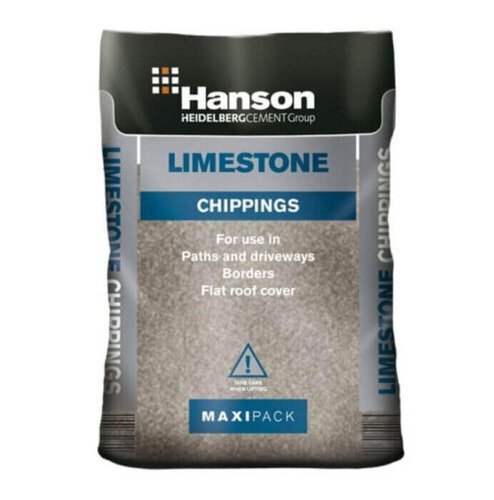
Hanson Limestone Chippings - 6mm 25kg
6mm dolomitic limestone chippings for paths, driveways, and flat roofs, 25kg bag
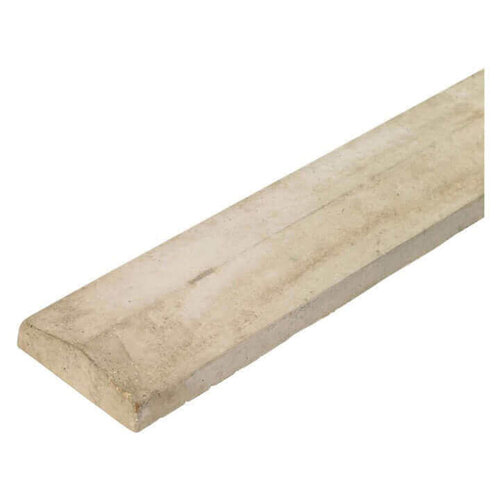
Supreme Twice Weathered Coping Straight - 222mm x 610mm Grey
Grey twice weathered coping stone, 222mm x 610mm
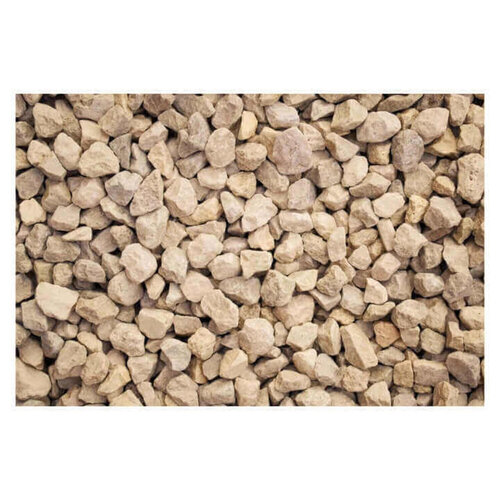
Cotswold Chippings - 10-20mm 20kg Maxi Bag
Cotswold chippings, 10-20mm, 20kg maxi bag

Bulk Bag Chippings - 8-11mm Polar White 0.5m³ 800-850kg
Polar white marble chippings for paths, driveways and borders
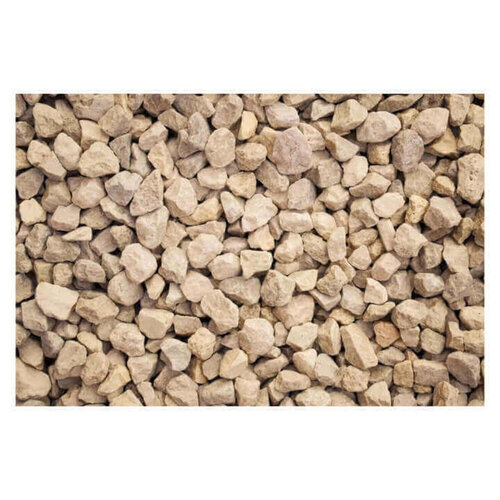
Cotswold Chippings - Large bag
Cotswold Chippings
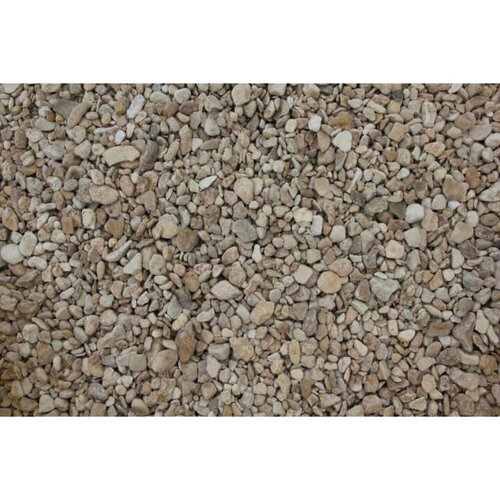
Washed Gravel - 20mm 35kg Large Pack
20mm washed gravel in a 35kg large pack
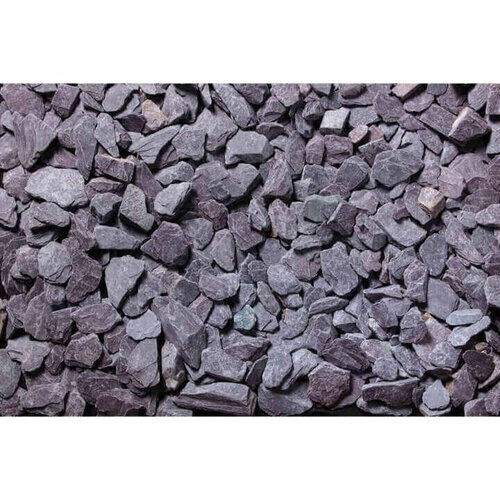
Slate Blue Large Bag Bristol - 40mm
Decorative blue slate stones, 40 mm, in a large bag
For the Trade
Start with the space and how it’ll be used before you get drawn into colour or finish. A tight front border needs a different size and shape from a wider bed or a heavier-wear path, and that’s where decorative stones, decorative gravel and decorative pebbles start to separate out. Smaller, more even material usually gives a cleaner finish. Larger chippings suit areas where movement is a concern. The call-back jobs are often the ones where the stone looked right on the sample but wasn’t right for the layout.
Decorative Stone Options Compared
Decorative stones usually split first into decorative gravel, decorative pebbles and decorative chippings.
Gravel is the all-rounder. It settles well, tops up easily and suits jobs where you want a loose finish without much fuss. Pebbles give a softer, rounder look, but they move more underfoot. Chippings sit a bit tighter, so they suit areas where you want less scatter and a firmer feel.
Larger decorative stone gives a bolder finish, though it is less forgiving on regular foot traffic. White decorative stones lift a scheme, but they show dirt sooner. Black decorative stones give sharper contrast, though they can feel harsher if the rest of the job is already busy.
Choosing Materials and Size
For this section, the main question is how the finish will behave once it’s down, not just what colour it is.
Finer decorative gravel beds in quicker and suits neater borders. Larger decorative pebbles give you a looser surface that still looks deliberate.
Decorative chippings usually hold together better under foot traffic, so they’re the one to use where scatter is a problem. If the job needs a heavier, contained build-up, Gabions are the next conversation. If you’re just finishing a bar area, Garden Bars usually need a different surface choice altogether.
Completing the Setup
Once you’ve picked the decorative stones, the next call is what’s holding the rest of the job together. Along a fence line or boundary, gabions give you a contained edge and a bit of weight where loose stone would wander. Fence posts and panels come into play when the stone is finishing off a new boundary rather than sitting in open ground.
If the area needs a cleaner break, edging and screens are usually what stop the finish looking half done. For a feature run, garden bars and other hard finishes change the brief again, because you’re matching the stone to a fixed structure, not just a bed.
Related searches
Local availability for Decorative Stones




