Fence Posts & Panels
When you’re pricing up fence posts and panels, the first call is usually between a lighter timber run and a heavier spec that will take more weather and abuse. Closeboard and feather edge suit jobs where you want a firmer boundary. Lap panels are the cheaper, quicker option when the run does not need the same stiffness. Concrete fence posts add weight and stability, but they are a different handling job altogether, so you only go that way when the extra support is worth it.
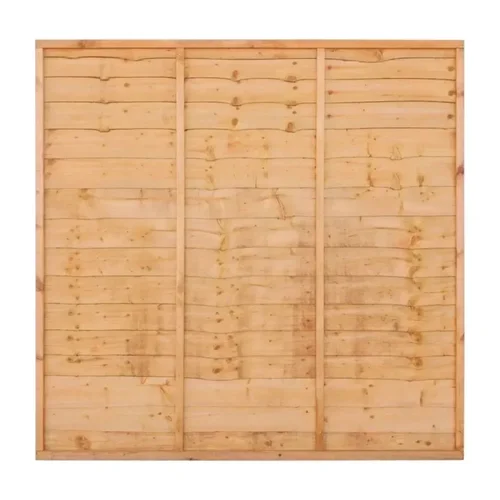
Grange Fencing Superior Lap Panel - 1828mm x 40mm x 1500mm
Superior lap panel 1828x1500mm, double waney edge slats, rebated frame
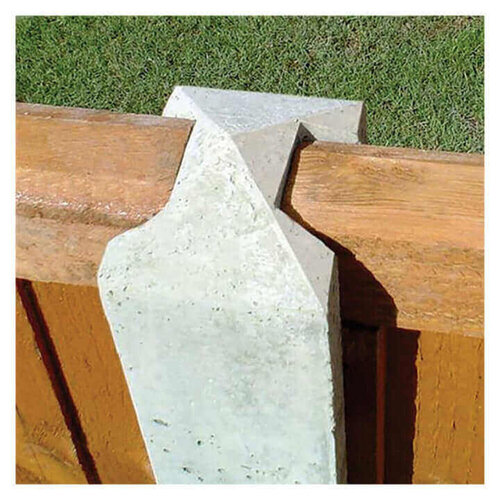
Supreme Slotted Concrete Post Intermediate - 1830mm 6ft
1830 millimetre intermediate concrete slotted fence post
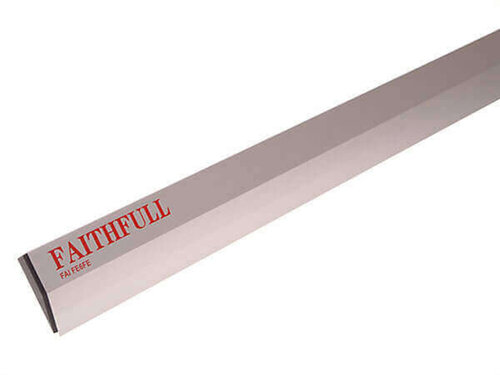
Faithfull Feather Edge - 2.1m (7ft)
2.1m aluminium feather edge and straight edge for levelling and cutting
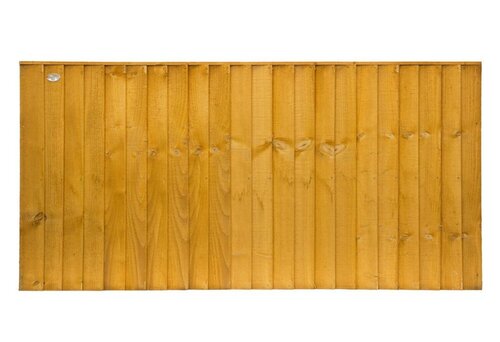
Grange Fully Framed Featheredge Fence Panel - 1830 x 900mm (6ft x 3ft)
1830 x 900mm heavy-duty featheredge fence panel with capping rail
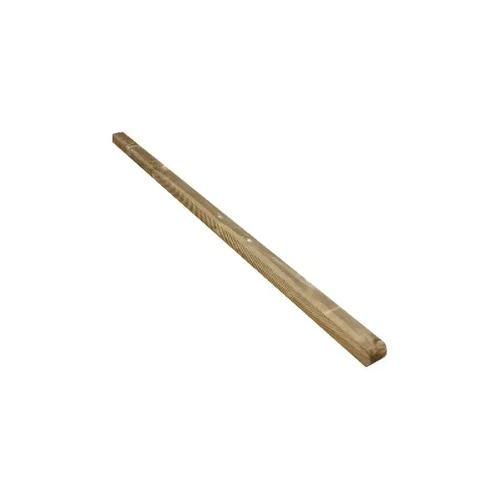
Grange Fencing Elite Grooved Fence Panel Post - 2400mm x 70mm x 70mm
Pressure-treated grooved fence post, 2400 x 70 x 70mm, complements Elite range.
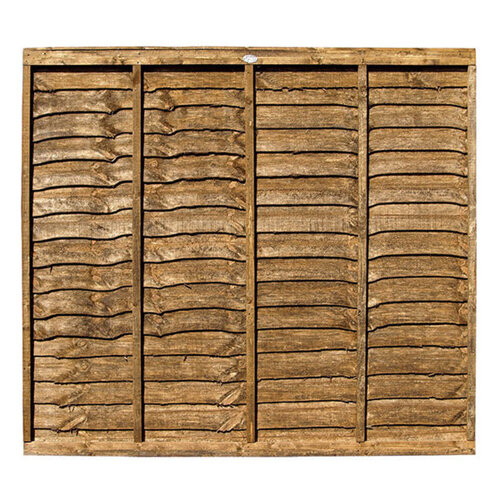
Grange Professional Lap Panel - 1.5m x 1.83m Green
Green lap fence panel, 1500 x 1830mm
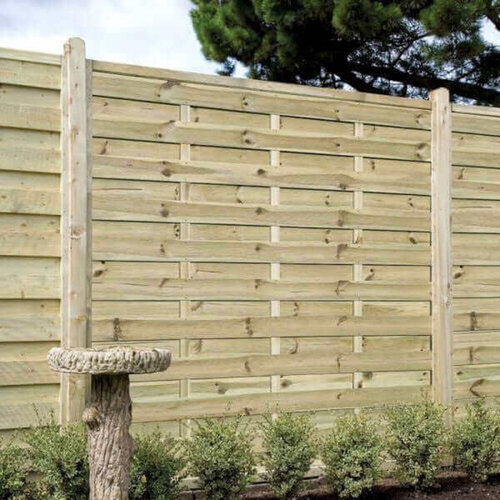
Grange Elite Esprit Square Panel - 1.8m Green
Green pressure-treated fence panel, 1.8m square top, for privacy
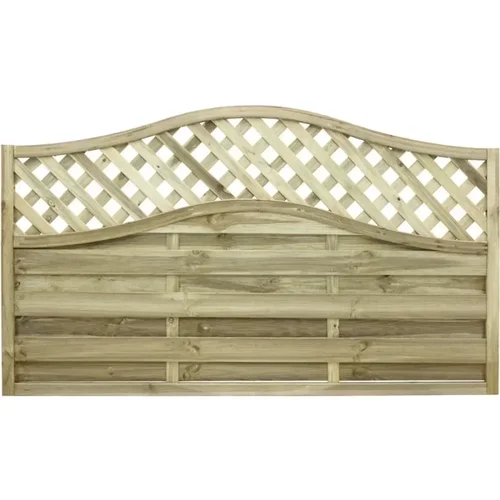
Grange Fencing Elite Meloir Panel - 1800mm x 40mm x 1050mm
Decorative fence panel 1800x1050mm, pressure-treated, horizontal slats, wave top…
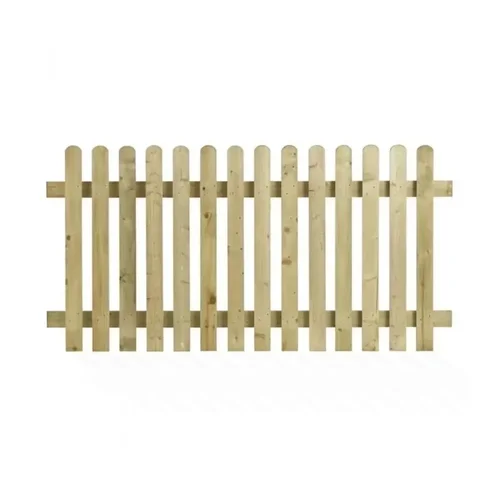
Grange Fencing Round Top Palisade Fence - 1800mm x 44mm x 900mm
Pressure-treated round top palisade fence panel 1800x44x900mm, planed timber
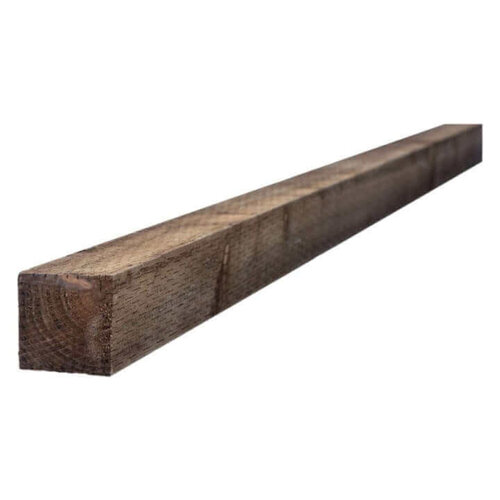
Incised Fence Post Treated Green FSC - 75mm x 75mm x 1.8m (3" x 3")
FSC-certified incised treated green fence post 75x75mm 1.8m
For the Trade
Start with what the fence has to do on this job, then work back from there. If it’s mainly about keeping a boundary straight and taking weather, fence posts and panels are usually chosen for speed and a clean run. If the line is exposed or the ground is awkward, the spec changes fast because movement and replacement are what cost you later. A lighter panel may save time on the day, but a heavier build often earns its keep where the site gets wind or knocks. The wrong choice is usually the one that looks fine in the yard and gives you grief once it’s in the ground.
Popular Fence Posts & Panel Formats
With fence posts and panels, the first split is usually speed against stiffness. Standard fence panels suit straight runs where you want a clean line and fewer parts to price up. Individual fence posts give you more control where the ground moves, levels vary, or you’re tying into an awkward end.
Concrete fence posts are still the one most lads reach for when the job needs more staying power. You do pay for that in handling and time. If you’re comparing against the rest of Outdoor Projects, this is the bit that sets the spec before you get into finishes and extras.
Key Differences When Choosing
Material usually decides the call on fence posts and panels. Timber fence panels and timber fence posts are lighter to handle and quicker to move around the yard, so they suit jobs with awkward access or one-person installs.
The trade-off is strength and stability. Timber depends more on staying straight and sound, so it is not the first pick where the run takes more punishment. Heavier builds take more effort to shift, but they give you more staying power on site. Once the main run is fixed, the finishing bits usually decide how tidy the job ends up - see Fencing Accessories and Decorative Stones if you’re sorting the rest of the fence line.
Next Decisions After Choosing
Once you’ve picked the run, the next call is usually the panels, the posts, and the fixing kit that keeps the bays tight. If you need a neater face or more privacy, screening panels make more sense than changing the whole spec.
Access can change the order as well. Tight gardens often decide what you can get through the side, so lighter sections can save time. For the finish around the base, some lads will bring in decorative stones, but only where that detail fits the rest of the job.
Related searches
Local availability for Fence Posts & Panels







