Fencing Accessories
Fencing accessories come down to how the fence is being held, joined, or finished off. If you’re fixing to timber, concrete, or a post base, the bracket or clip choice matters more than the name on the pack, and a loose fit is usually what brings you back to site. Post caps keep water out of the top of the post, while repair parts and fixings suit jobs where you’re replacing damaged hardware rather than changing the whole run.
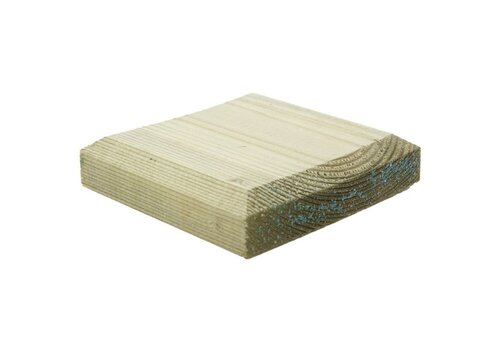
Grange Heavy Duty Treated Timber Post Cap - 22mm x 120mm x 120mm
Green treated timber post cap, 22 x 120 x 120mm
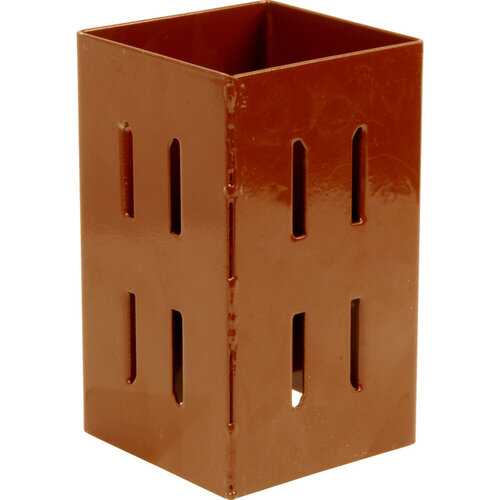
POWAPOST POST EXTENDER 75X75MM
Steel post extender 75x75mm for extending timber posts
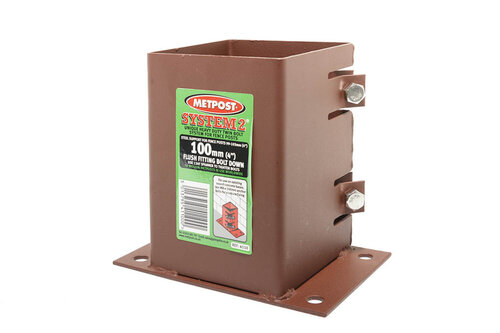
Metpost System 2 Flush Fitting Bolt Down Wedge Grip - 100mm x 100mm
Flush-fitting bolt-down wedge grip for 100x100mm posts, no concreting required.
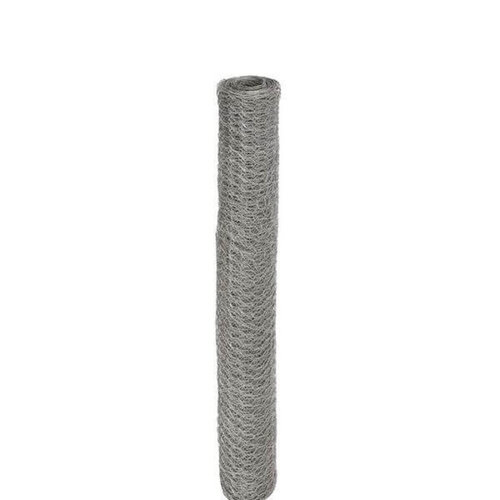
Kestrel Galvanised Wire Netting - 900mm x 25mm x 20g 10m roll
10m galvanised wire netting roll, 900mm height, 25mm mesh
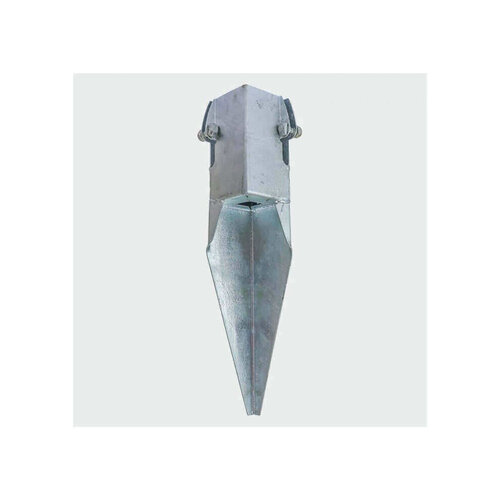
Timco Galvanised Repair Spike - 75mm x 75mm
Galvanised repair spike for securing damaged posts in concrete.

Timco Drive in Spike - 50mm x 450mm Red
Red drive-in spike, 50mm x 450mm
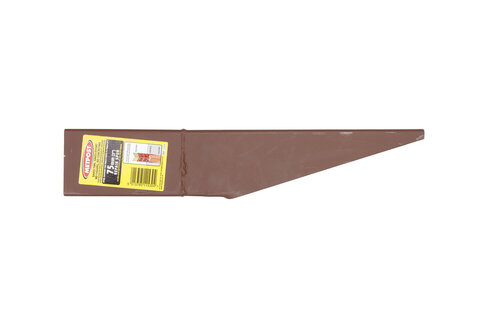
Metpost Repair Spur - 75mm x 75mm
75mm x 75mm repair spur for broken fence posts concreted in the ground.
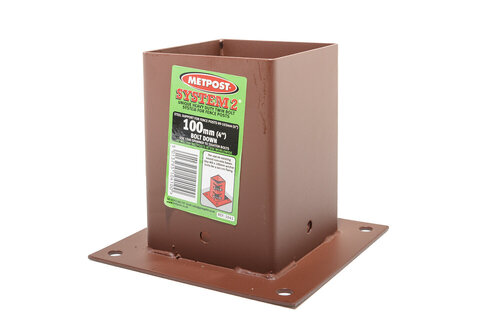
Grange Fencing Metpost System 2 Bolt Down Wedge Grip - 100mm x 100mm
Bolt-down wedge grip post support, 100mm x 100mm
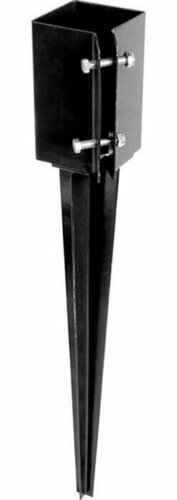
Birkdale Fence Post Support Spike - 100mm x 100mm x 700mm
No-dig fence post support in heavy gauge steel with protective coating
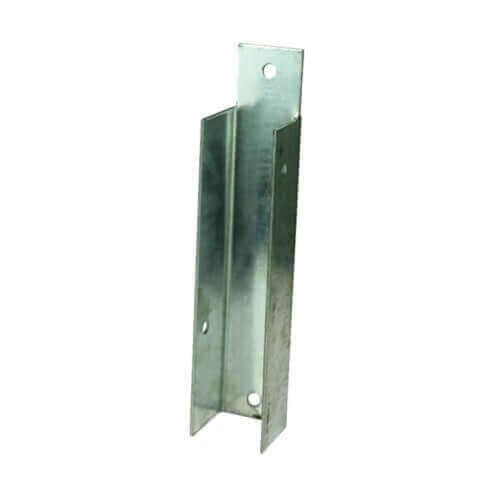
Teco Gravel Board Clip for Timber - 6" x 1" Galvanised
Galvanised 6" x 1" gravel board clip for timber posts.
For the Trade
Start with the space you’ve got and how the fence is being used, then the fixing method follows from that. Tight runs and awkward access usually point you towards simpler fence fixings and clips that are quick to line through. Heavier panels or exposed corners need stronger fence brackets and post hardware that won’t work loose. If it’s a repair, fence repair parts are usually the cleaner buy because you only replace what’s failed. Finish details come after that. A cap, clip or spike only earns its keep if it suits the load and the way the job is being built.
Popular Fencing Accessory Formats
The main split is between fixing, support and finish, and that is the quickest way to narrow trade fencing accessories on site.
Fence brackets and fence clips suit panel-to-post work where you need a clean tie-in and don’t want to rebuild the run. They save time, but only if the timber or rail is already sound.
Fence post spikes are the pick when you want to avoid digging and concrete, especially on a straightforward line with decent ground. You trade some flexibility on awkward or soft ground, so they suit fast installs more than problem sites.
Fence post caps are the finish piece when you want to keep water out of the post top. That is a small part, but it helps reduce early rot.
Fence repair parts and other fence fixings are for patching damaged sections rather than replacing the lot.
Key Differences When Choosing
What usually decides it is the fixing point and how much movement you need to allow. Tying into timber? Fence brackets or fence clips usually give you a clean hold without making the job awkward.
If you want a neater finish, fence post caps are worth adding. They stop the tops looking unfinished and help protect the post end.
For repairs, fence repair parts are the quicker call when you’re replacing a failed piece rather than stripping the whole run. If you’re ordering alongside new posts and panels, check Fence Posts & Panels at the same time so the fixings match the build.
Where the job includes a decorative entrance or feature run, Arches may need different support hardware, so don’t assume the same fittings will do both.
Next Decisions After Choosing
Once the main run is sorted, the next call is what else needs finishing around it. If you’re tying into existing posts, the right fence brackets and fence clips save you from chasing alignment later. Fence post caps are worth adding when the tops are exposed and you don’t want water sitting in them.
On patch jobs, fence repair parts are usually quicker than stripping a full section. They only make sense if the rest of the run is sound. A lighter fix is faster. A heavier fixing gives you more hold where the panel load is doing the work.
Related searches
Local availability for Fencing Accessories













