Gates
Gates usually come down to the job in front of you - access, security, or closing off a run cleanly. Side gates and pedestrian gates suit narrow openings where swing and width matter, while driveway gates need more thought on span, weight, and what the posts can take. Metal gates give a stiffer, lower-maintenance finish. Wooden gates and timber gates are often chosen for easier cutting and a more traditional look, with more upkeep to factor in.
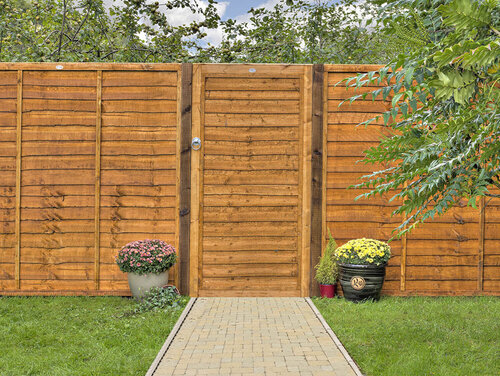
Grange Superior Lap Gate - 900mm x 1820mm
Side entry lap gate 900mm wide x 1820mm high for gardens
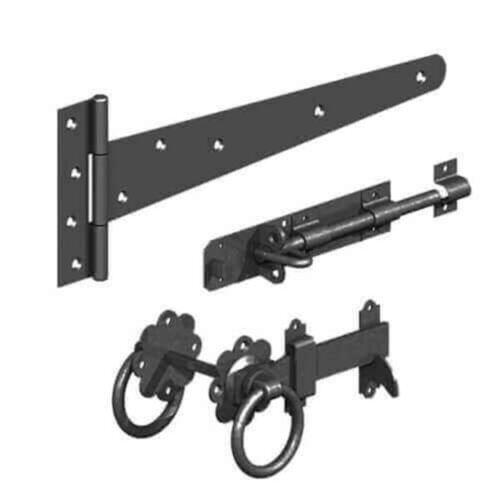
Gatemate Side Gate Kit
Gate fitting kit with 450mm hinges, latch, and padbolt
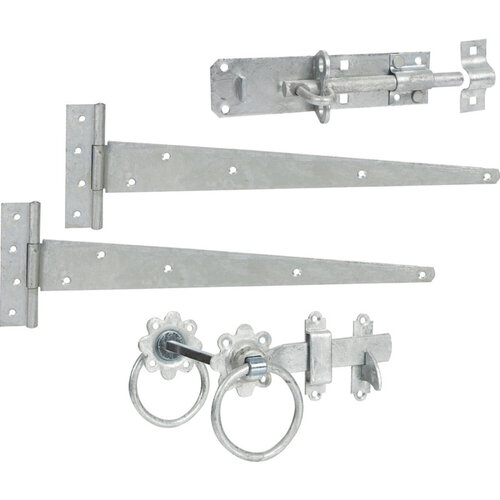
Gatemate Side Gate Kit - 450mm Bright Zinc
450mm zinc-plated side gate kit with hinges, latch, and padbolt
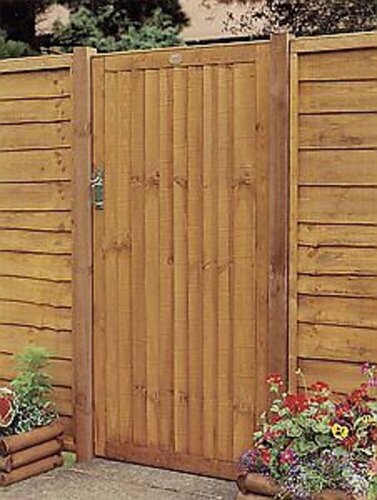
Grange Closeboard Gate - 900mm x 1810mm
Closeboard gate 900mm x 1810mm for garden use
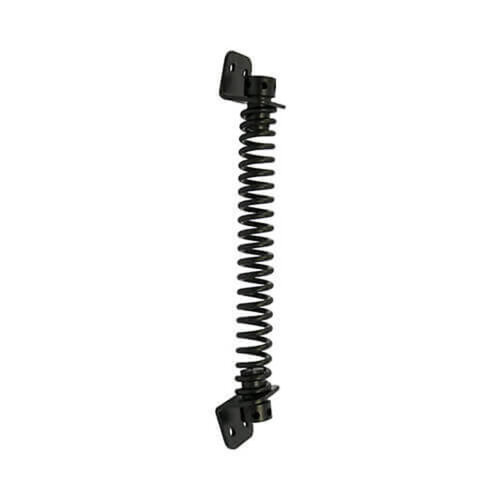
Timco Gate Spring - 8" Black
Black 8" gate spring with automatic closure and adjustable tension
For the Trade
The first question is what the gate has to do day to day, because that sets the size, swing and how much abuse it’ll take. A light access point can stay simple. Once it’s taking regular traffic or sits in a more exposed spot, you need something that won’t rack or sag after a few months. Wooden gates still get picked where appearance matters and the opening is straightforward. Metal gates are usually the call where durability and lower maintenance matter more than matching timber work. If the opening is awkward or the spec is tighter, that changes the choice again.
Gate Types and Layouts
Start with the opening and how it’s being used, then the layout usually sorts itself out. Side gates and pedestrian gates suit narrower access where you want a simple walk-through. Driveway gates are the call for wider spans and vehicle control.
Garden gates sit in the middle for general boundary access. Security gates make more sense where the brief is about restricting entry rather than just closing off a gap. Outdoor Projects is the parent range if you’re matching the gate to the rest of the job. The trade-off is simple. The more substantial the layout, the more you need to think about weight, clearance and how often it’ll be used.
What to Check Before You Buy
Material is usually the first call because it changes handling as much as the finished look. Timber gates are lighter to move and easier to trim to suit awkward openings, but they’ll want more attention if the site is exposed.
Metal gates suit jobs where you want a stiffer frame and less movement over time. They’re heavier to hang and less forgiving if the posts aren’t right. For a straightforward garden gates job, that’s often the split - timber for easier handling, metal for a firmer, more hard-wearing result.
If you’re finishing the run at the same time, it’s worth checking Fence Posts & Panels before you order, and Decorative Stones if the base or threshold needs tidying up.
Useful Alongside Gates
Once the gate’s chosen, the next call is what it has to meet at the edges. If the run stops at a fence line, fence posts and panels usually come next to keep the height and fixing consistent. Where the opening needs a cleaner finish or more privacy, screens and matching infill are the next buy.
Decorative stones often come last. They tidy the base and finish the area, but they won’t hide a poor line. Get the surrounding pieces right and the gate sits as part of the job, not as an add-on.
Related searches
Local availability for Gates








