Paving Slabs
You’re usually choosing paving slabs on three things first: the finish you want underfoot, how much handling you can manage, and whether the job calls for a neat patio, a path, or a heavier-duty area. Concrete paving slabs are usually the economical pick for straightforward coverage. Porcelain paving slabs suit sharper lines and a tighter finish. Natural stone options such as sandstone or limestone are chosen when the spec needs a more varied look. Large paving slabs reduce joints, but they’re less forgiving to move and set out, so the bigger format only helps if access and handling are in your favour.
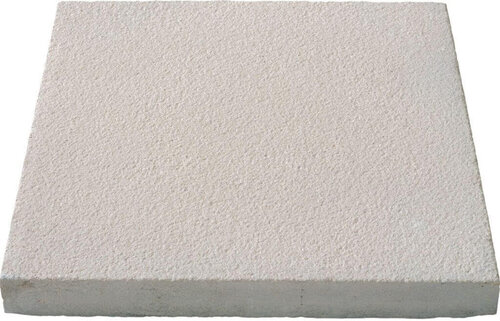
Brett Chaucer - 450mm x 450mm x 32mm Natural
Natural coloured 450x450mm paving slab for outdoor areas

Stonemarket Slab - 600mm x 300mm x 50mm Grey
Grey paving slab 600 x 300 x 50mm for outdoor use
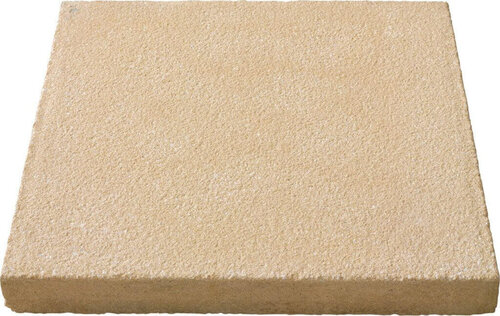
Brett Chaucer - 450mm x 450mm x 32mm Buff
Buff concrete paving slab 450 x 450 x 32mm
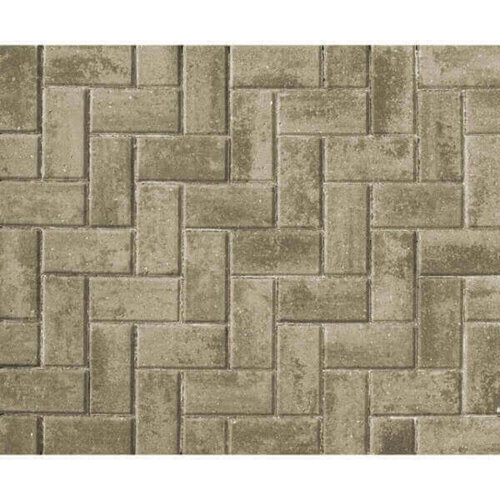
Brett Omega Block - 50mm x 200mm x 100mm Silver Haze
Paving block, 50mm x 200mm x 100mm, Silver Haze colour
Marshalls Saxon Concrete Paving Slabs - Buff 600 x 600 x 35mm 10.8m2
30-pack 600x600mm concrete paving slabs covering 10.8m² with textured, non-slip …
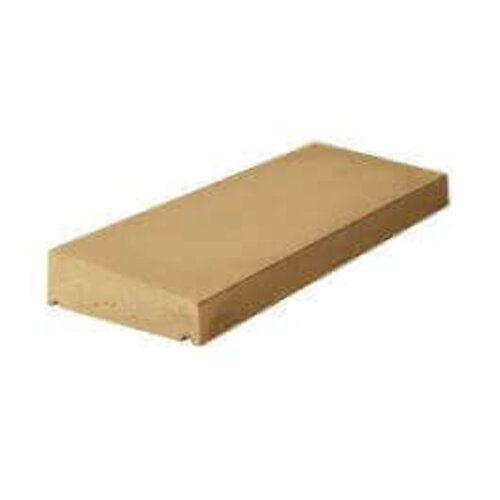
Once Weathered Coping - 300mm x 600mm Barley
Once Weathered coping in Barley, 300mm x 600mm
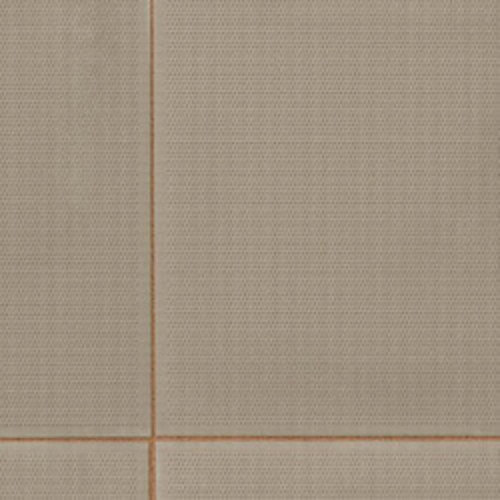
Marshalls Standard Square Edge Paving Slabs - Natural 600 x 600 x 50mm 7.2m2
20-pack concrete paving slabs, 600x600x50mm, square edge, slip-resistant
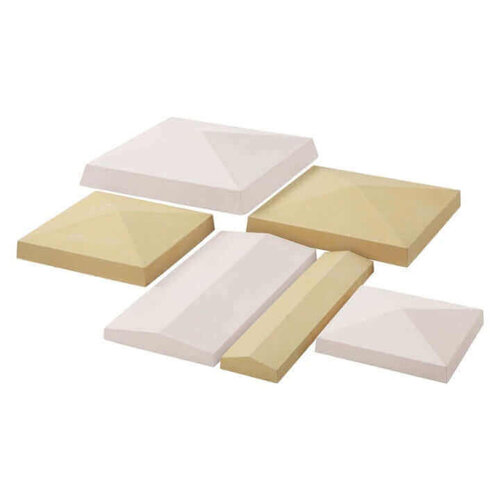
Double Coping - 610mm x 285mm Buff
Buff double coping, 610mm wide x 285mm high
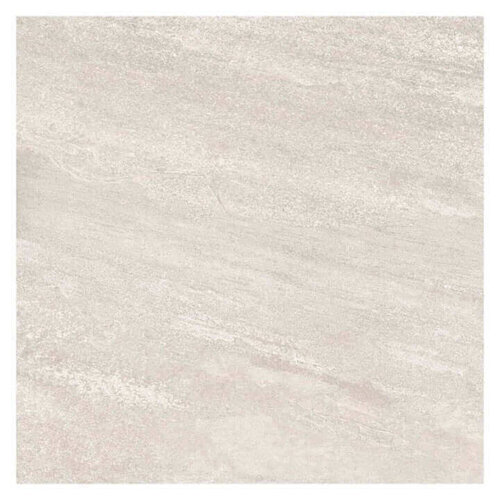
Vitripiazza Annolite Porcelain Paving - 600mm x 600mm x 16mm Pearl 3 Pack
Pack of 3 pearl porcelain paving slabs, 600 x 600 x 16mm
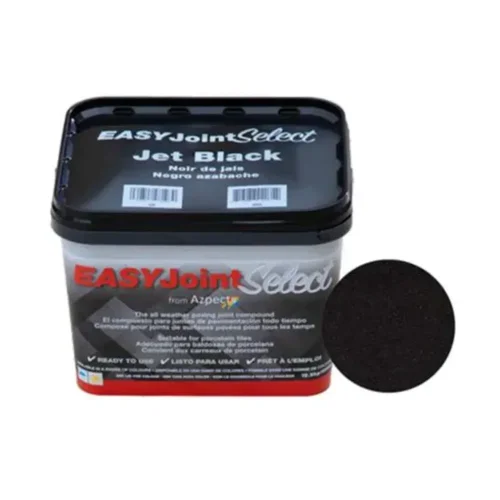
Azpects EasyJoint Select - 12.5kg Tub Jet Black
All-weather jointing compound for stone, porcelain & ceramic paving
For the Trade
The first question is what the job needs to look like once it’s down, because that usually rules out half the paving slabs straight away. A clean, regular finish points you one way. More colour and texture variation points you another. Then it comes down to handling and coverage. Large paving slabs can speed the run, but only if access and lifting are straightforward. Concrete paving slabs usually win on cost and consistency. Porcelain paving slabs get picked when the spec needs a tighter, more uniform finish.
Paving Slab Options Compared
Start with the finish you need and how much variation you can live with. Concrete garden paving slabs are the steady pick when you want a consistent colour and easy replacement later. They suit straightforward layouts where matching new slabs down the line matters more than surface character.
Natural stone paving slabs make more sense when a less uniform look is part of the brief. They replace the flat, repeatable look of concrete with more movement across the surface, so the trade-off is less consistency.
Sandstone paving slabs are the common choice when you want a natural look without it feeling too formal. Limestone paving slabs give a tighter, neater face, which works when the job needs a cleaner line. Slate paving slabs suit darker, flatter finishes, but they bring a more restrained look than sandstone.
Outdoor Projects is the parent range if you’re matching the slab choice to the rest of the job.
Choosing Materials and Size
If you’re narrowing paving slabs for a job, start with material and handling. Porcelain paving slabs suit a tighter, more uniform finish with less variation from piece to piece. The trade-off is handling. They’re less forgiving and usually need more care on site.
Concrete paving slabs are the easier call for bulk coverage and later replacement. You give up some of the sharper finish, but they’re straightforward to work with and quicker to shift on site.
Size matters too. Large paving slabs speed up open areas if access is decent. Smaller ones are easier to work into tighter runs where you need more room to adjust. If the brief runs into water features or boundary work, Garden Ponds and Gates are the next decisions that usually affect the layout.
Completing the Setup
Once the paving slabs are picked, the next call is usually the finish around them - edging, drainage detail, and any adjacent screen or boundary work that stops the job looking half done.
That’s where the rest of the outdoor project range comes in. A gate or fence line often needs sorting at the same time. If the brief includes a pond or storage area, get the hard landscaping set out before the slabs go down. Leave a line unresolved and it shows later, so it makes sense to tie the surrounding pieces together while you’re still on site.
Related searches
Local availability for Paving Slabs







