Trellis
Trellis usually comes down to how much screening you need, how much light you want to keep, and whether it sits against a fence run or stands on its own. A tighter pattern gives more privacy, but it catches more wind and can look heavy if you overdo it. Open panels are easier to live with where you still want airflow and climbing plants to work through. Timber versions are the usual pick when you want a natural finish, but they need the right treatment for the job.
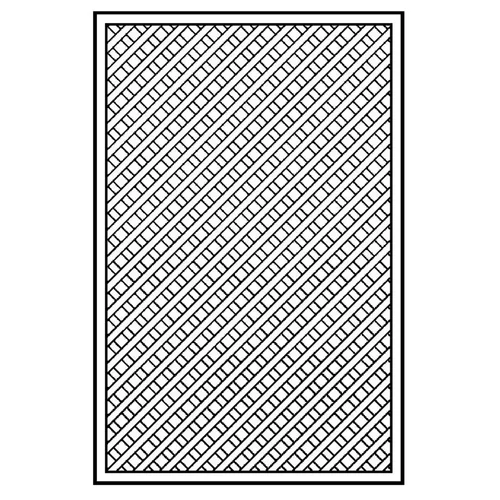
Grange Fencing Alderley Lattice Trellis - 1828mm x 30mm x 1200mm
Pressure-treated trellis 1828x1200mm, 40mm lattice gap
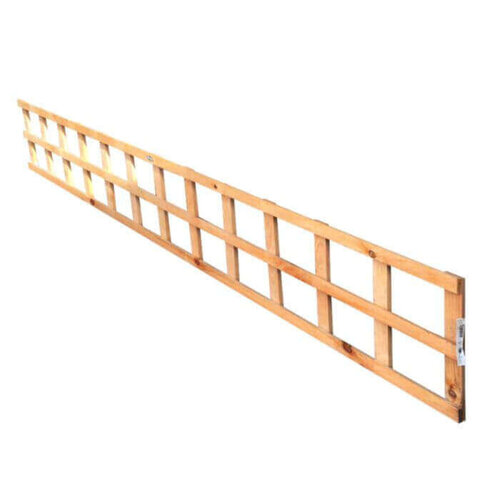
Heavy Duty Square Trellis - 320mm x 1828mm Golden
Golden pressure-treated square trellis for supporting climbing plants
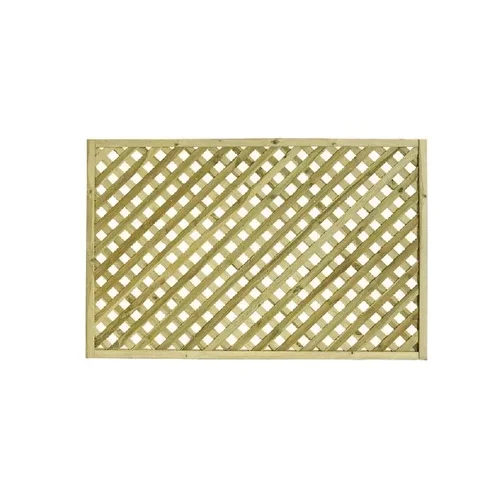
Grange Fencing Elite Square Lattice - 1800mm x 40mm x 1800mm
Pressure-treated square lattice trellis, 1800 x 40 x 1800mm
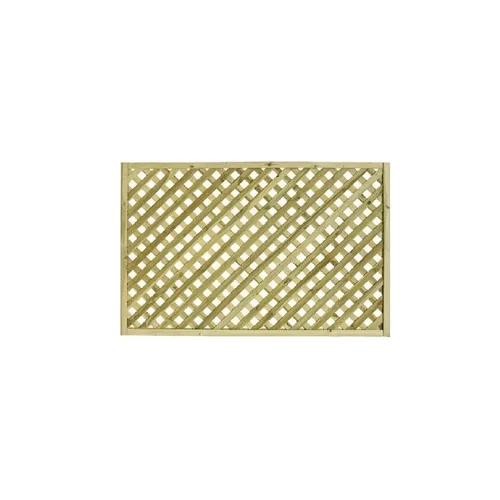
Grange Fencing Elite Square Lattice - 1800mm x 40mm x 900mm
1800mm x 900mm pressure-treated square lattice panel with 44mm gap
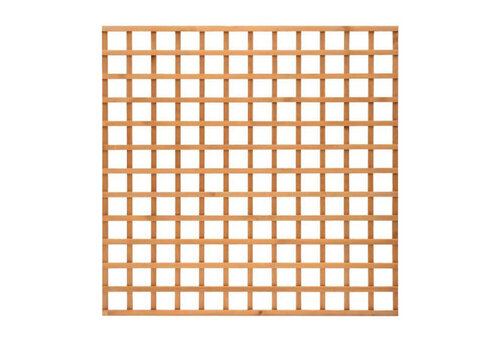
Grange Heavy Duty Square Trellis - 1800mm x 600mm Golden Brown
Heavy duty square trellis in golden brown, 1800x600mm
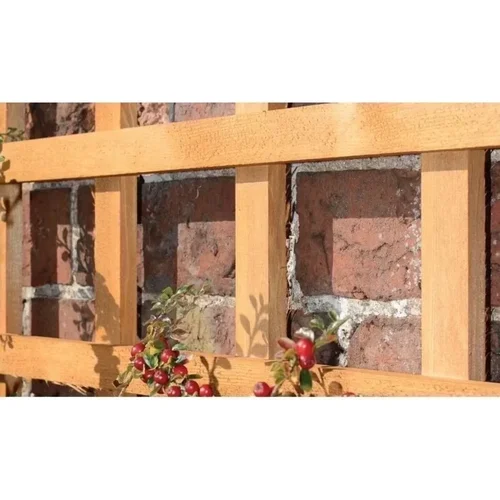
Grange Fencing Heavy Duty Square Trellis - 1828mm x 30mm x 900mm Golden
1828x900x30mm heavy-duty square trellis, pressure-treated, golden brown
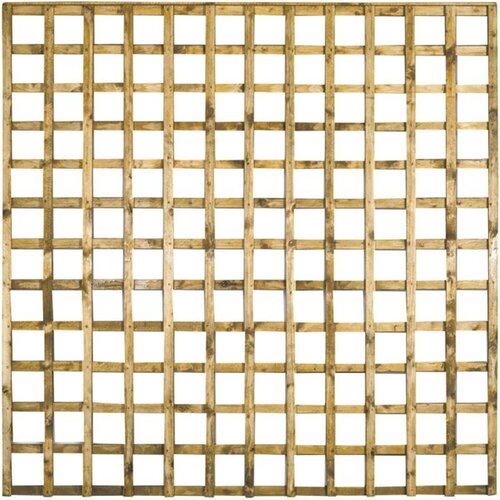
Tafs Fence Trellis FSC® - 1829 x 1829mm (6' x 6')
Treated FSC® fence trellis, 1829 x 1829 millimetres, with bevelled capping rail
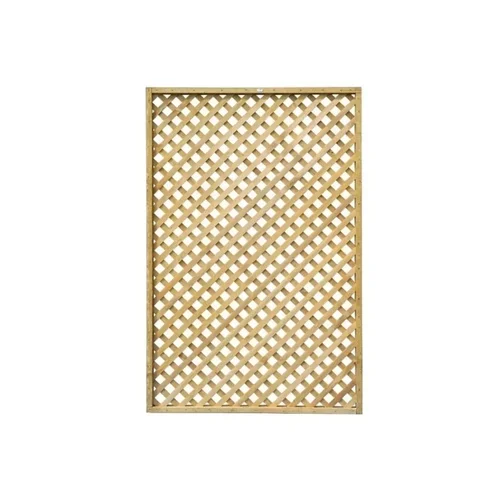
Grange Fencing Alderley Lattice Trellis - 1828mm x 30mm x 600mm
Pressure-treated lattice trellis with 40mm lattice gap, 1828 x 600 x 30mm
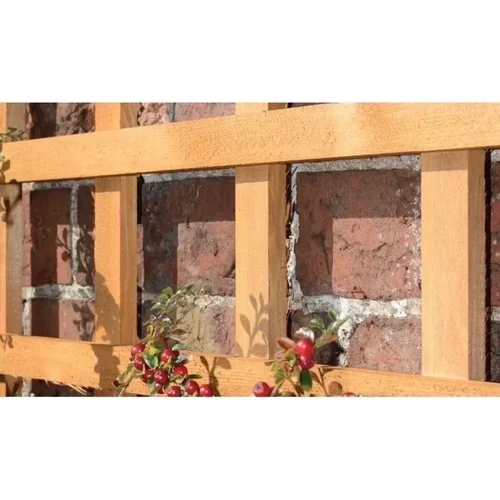
Grange Fencing Heavy Duty Square Trellis - 1828mm x 30mm x 1200mm Golden
Heavy-duty square trellis 1828 x 1200mm, golden pressure-treated timber
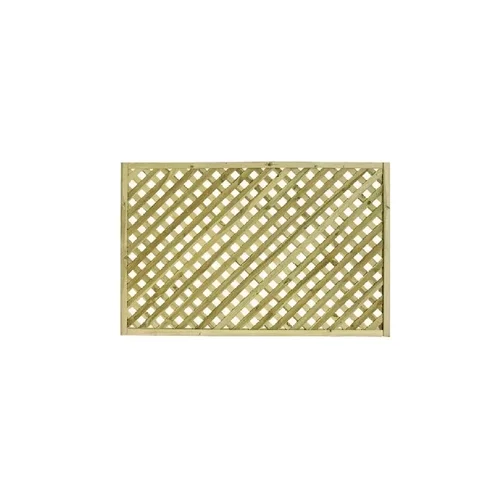
Grange Fencing Elite Square Lattice - 1800mm x 40mm x 300mm
Pressure-treated square lattice trellis panel, 1800x300x40mm, 44mm gap
For the Trade
What you’re really deciding is how much screening the job needs and how much of the run has to stay open. A tighter trellis suits boundary work and awkward views. A more open pattern is usually enough for climbing plants or a lighter finish over fencing. Check the span and the fixing points before you pick. A panel that looks fine on paper can be a nuisance if it does not suit the posts or the height you have. Timber trellis is still the common call when you want an easy match with other garden work, but the finish and treatment matter if it is going straight into exposed ground.
Popular Trellis Formats
Start with how much structure you need and how tidy the run has to look. A plain garden trellis suits a simple screen or support without adding more weight than needed. Decorative trellis works when the finish matters as much as the function.
Lattice trellis gives a more regular look, so it sits neatly with other work. Trellis panels save time on repeat runs because you are buying a set format, but you lose flexibility on awkward widths. For the rest of the range, Outdoor Projects keeps the choice in context.
Key Differences When Choosing
Material is usually where the job narrows down. Timber trellis suits jobs where you want a lighter panel that is easier to carry, cut and fix on site. It still needs the right treatment, and exposed spots need more care.
Heavier options are harder to handle, but they can feel more solid once they are in. If you are tying into an existing run, match the finish to what is already there and check the postwork first - Fence Posts & Panels often decides the fixing detail before the trellis itself. For a cleaner finish around beds and borders, some jobs are better finished with Decorative Stones rather than trying to make the trellis do all the visual work.
Next Decisions After Choosing
Once you’ve picked the trellis, the next call is what it sits against. If it’s going into a run of fence posts and panels, check the fixing line and finished height first. That is where jobs get held up, not on the panel choice.
If the brief is mainly screening, a garden screen or privacy screen usually makes more sense than trying to make decorative trellis do both jobs. Decorative trellis suits jobs where the finish matters as much as the support. A more open trellis panel works where you still want growth and airflow through it.
Related searches
Local availability for Trellis





