Outdoor Projects
Outdoor projects usually come down to what you’re building first and what has to tie in with it. If the job is structural, you’ll be looking at the heavier end of the range. If it’s about finishing a space, lighter components and simpler fixes usually make more sense. The snag is often access and handling, not the product itself. Longer or bulkier items can slow you down if you’re working through a tight side return or up steps.
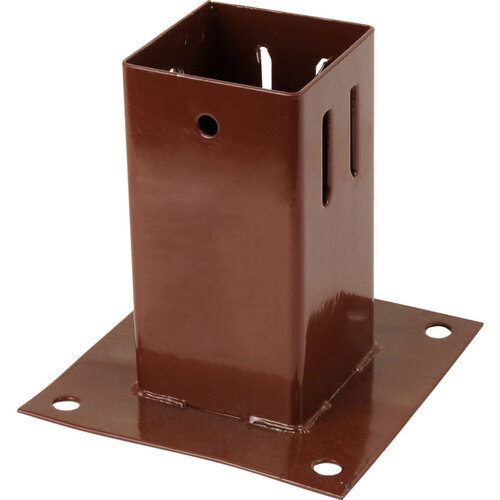
Easygrip Post Shoe - 100 x 100mm
Steel post shoe for 100x100mm timber posts, boltless wedge grip, powder-coated
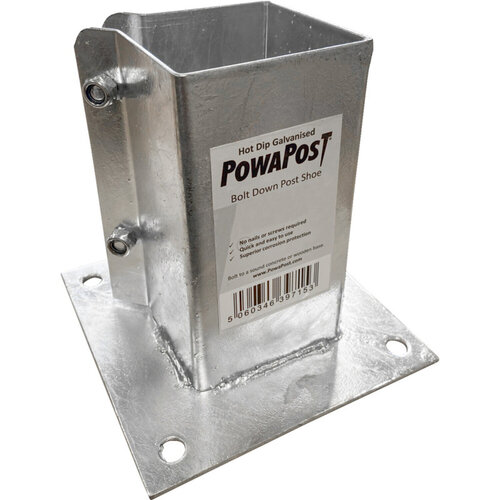
Galvanised Bolt Down Post Shoe - 100 x 100mm 2 Pack
Galvanised bolt down post shoe for hard-surface post installation, 100 x 100 mm,…
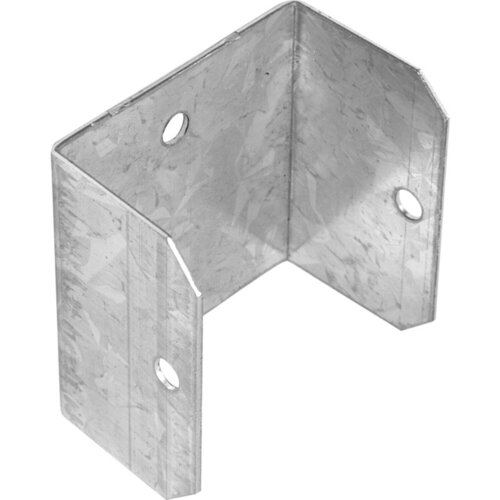
Fence Panel Clip - 44mm 16 Pack
Pack of 16 galvanised steel fence clips, 44mm width
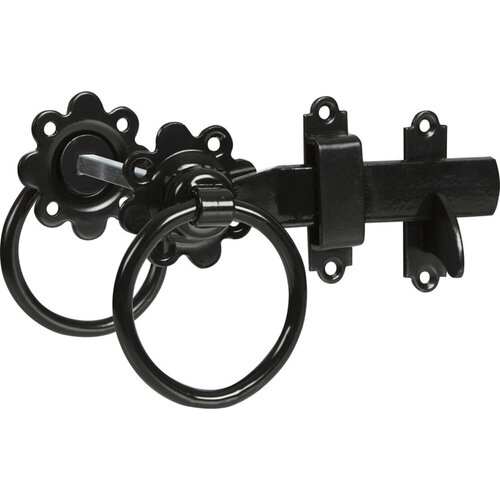
Gatemate Ring Gate Latch - 150mm Epoxy Black
Aluminium ring gate latch with epoxy black finish and 2-inch rose
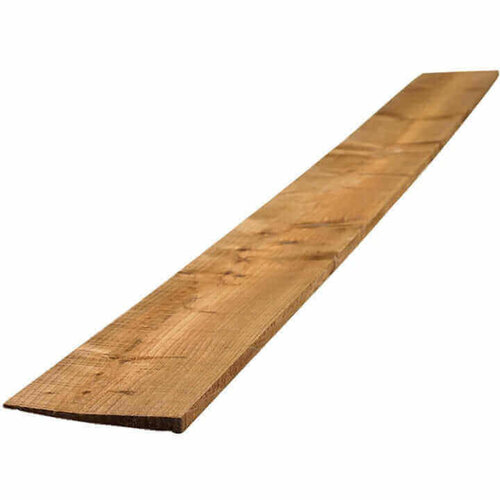
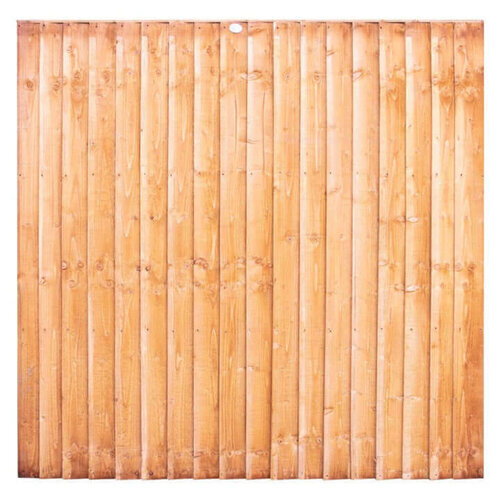
Feather Edge Boards - 125mm x 2.4m Treated Brown FSC
FSC certified feather edge boards, 125mm x 2.4m, treated brown, for fence panel …
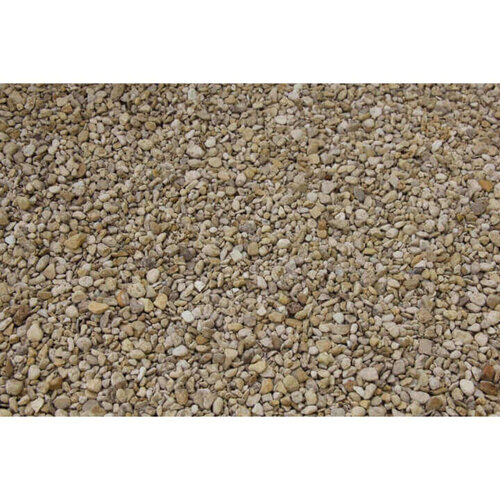
Washed Gravel - 10mm 35kg
Washed gravel, 10mm size, 35kg pack, for Midlands delivery only
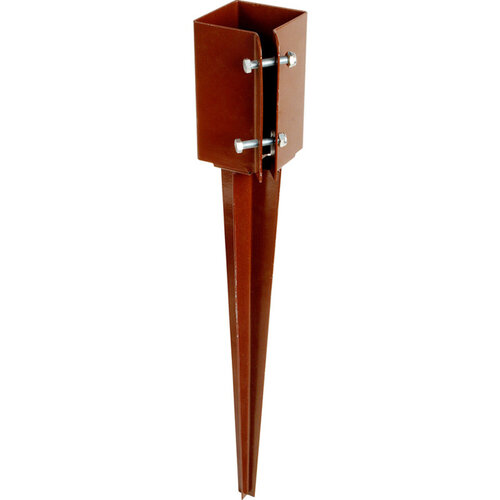
Drive-In Post Anchor - PowaPost DPS drive-in fence 100mm post spike 750mm
Steel drive-in post anchor for 100x100mm fence posts, no digging needed.
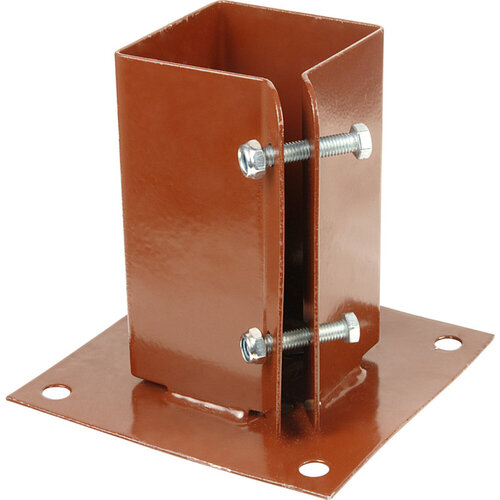
Powapost bolt down post shoe 75mm
Bolt down post shoe for fixing 75mm posts to concrete hard standing.
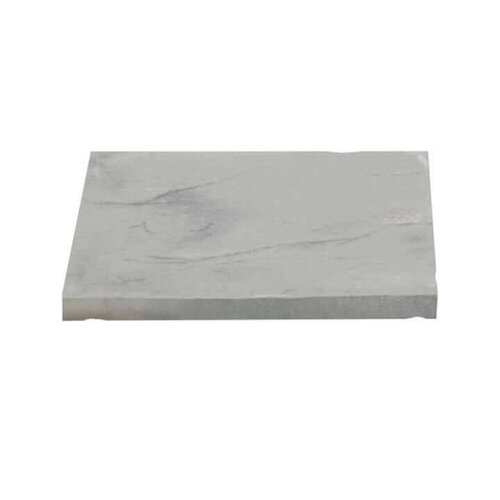
Stonemarket Ryton Riven Utility Slab - 450mm x 450mm x 32mm Grey
Grey riven utility paving slab 450mm x 450mm x 32mm
For the Trade
Start with the space you’ve got and how the job will be used. That usually settles the spec before finish or extras do. Tight access changes what you can fit and how much room you’ve got to work with. It also decides whether you need something simple or something that can take more weight. With outdoor projects, looks come after the practical call. Pick for appearance first, and you often end up changing it later.
Arbours
Arbours are the one you pick when the job is more about a feature than a full build. The choice usually comes down to whether you want a simple focal point or something with more presence in the scheme. They sit lighter than the bigger structural items, so they work where you want definition without taking over the space.
If the brief is framing a path, entrance or seating area, Arbours usually make more sense than moving straight to heavier options. You get a neater finish. You give up the broader coverage or enclosure you’d get from larger pieces.
Arches
Arches usually come into the job when you want a clear feature without turning it into a bigger build. The main question is how much presence you need and what it has to sit against.
They’re the neater buy when space is tight, or when the brief is to mark a route, open up an entrance, or give you a focal point. If you need more coverage or a heavier frame, they won’t do the same job as Arches.
On outdoor projects, the usual mistake is over-specifying the feature and then trying to make it fit the layout.
Compost Bins
For outdoor projects, the first call is usually whether you need a feature piece or something that just finishes the job cleanly. That choice changes what you buy next.
A simple build can stay light and straightforward. Anything that has to carry weight, define a boundary, or take more wear needs a different spec. Buying on looks alone often causes problems later, when the rest of the scheme does not line up. Start with the job’s scale and the finish you want, then move to the parts that support it, including Compost Bins when waste handling is part of the plan.
Decking
Decking is the one you narrow down by how much traffic it’ll take and how much upkeep the client will tolerate. On a busy run, you want boards and fixings that stay stable and do not come back as a call-back after the first wet spell.
Composite is usually the pick when low maintenance matters. Timber still gets chosen when price and a more natural finish matter more. With timber, the maintenance schedule is the trade-off. With composite, it is cost and the look some clients want.
Decorative Stones
Decorative stones are usually the call when you want a clean finish without adding much upkeep. You still need to think about what’s underneath and how the area will be used.
For a light-traffic border or a feature strip, they’re straightforward enough. If the area will take regular use, check how well it’s contained and whether the base is doing enough work.
The common mistake is treating it as a quick cover-up. If the ground isn’t right, the finish shifts and you get called back.
Fence Posts & Panels
Fence Posts & Panels is where you narrow the job by span, exposure and how much movement you can tolerate. If you’re replacing a run, matching the existing height and fixing pattern matters more than chasing the cheapest pack, because mixed components are what usually cause call-backs.
Heavier posts and tighter panel choices suit exposed boundaries and longer runs. Lighter options are fine where the ground is kinder and the run is shorter.
For outdoor projects, the real call is whether you need a straight replacement, a full line change, or something that sits neatly with the rest of the garden work without extra trimming.
Selection Factors for Outdoor Projects
The choice usually comes down to scale, exposure and how much finish matters. If the job is carrying weight, taking traffic or needs to stay true over time, buy up on structure and accept the extra handling that comes with it.
If the work is mainly about tidying a space or finishing a scheme, a lighter option is often enough. It keeps you from over-specifying. Size matters too. What looks fine on paper can be awkward once you are getting it through a narrow side return or up steps. On outdoor projects, the wrong size or format is what usually causes grief later.
Finish the Room
Once you’ve picked the main item for the job, the next call is what finishes it off cleanly. On outdoor projects, that usually means the parts around the build rather than another big-ticket item - screens where you need privacy, storage where the site needs to stay tidy, and the right finish where the work meets existing ground or walls.
A job can look complete on paper and still feel unfinished if the surrounding pieces don’t line up. Check what’s already there before you add anything else. That is where you avoid awkward returns and mismatched finishes.
Related searches
Local availability for Outdoor Projects