Hose Pipe Connectors
If you’re matching hose pipe connectors to a job, start with the connection you need to make and how often it’ll be taken apart. Push-fit parts are quick and suit regular changes, while brass or heavier fittings are usually chosen when you want a firmer hold and less chance of the clip or collar taking a knock. Most call-backs come from a loose fit or the wrong thread, not the hose itself.
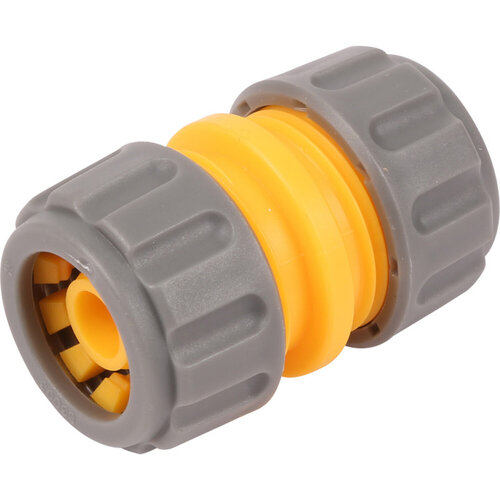
Hozelock Hose Repair Connector - 12.5mm
Hozelock hose repair connector, 12.5mm, permanent join
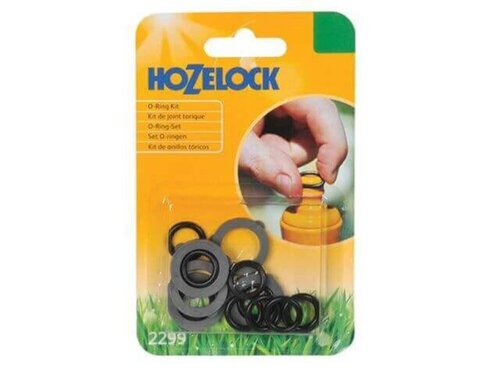
Hozelock Spare O Rings & Washers Kit
Spare O-rings and tap connector washers kit, 10 O-rings, 5 washers
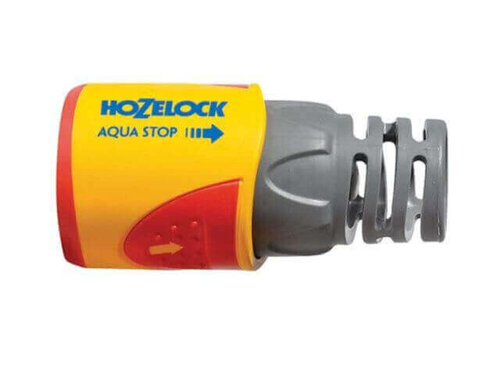
Hozelock Connector Plus Aquastop - For 12.5mm & 15mm Hose
Hozelock AquaStop connector with auto shut-off for 12.5mm & 15mm hose.
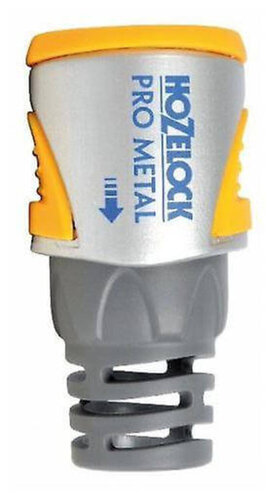
Hozelock Pro Hose Pipe Connector - Yellow
Pro metal hose connector for 12.5mm and 15mm hose, secure up to 10 bar
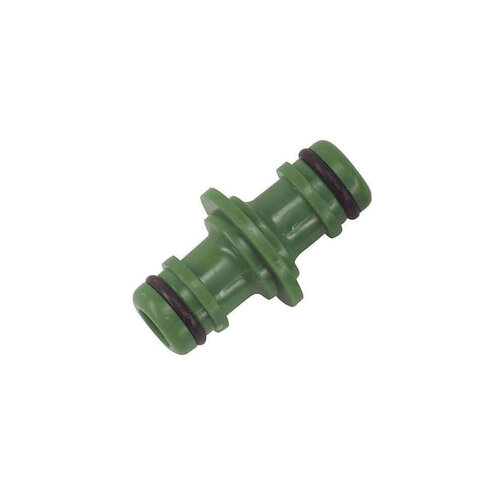
Kingfisher Garden Hose Male Adaptor
Male adaptor for connecting garden hoses
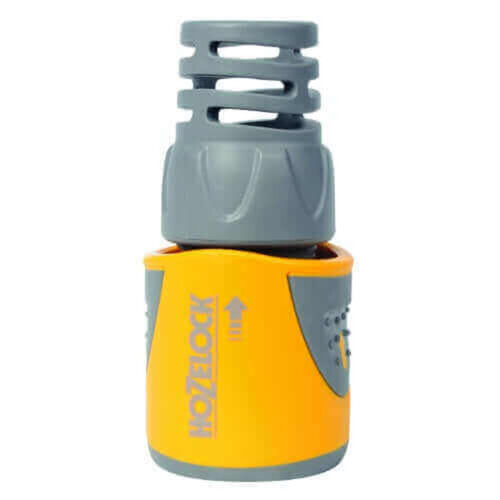
Hozelock Hose End Connector - Plastic
Plastic hose end connector, connects hose to male tap connector.
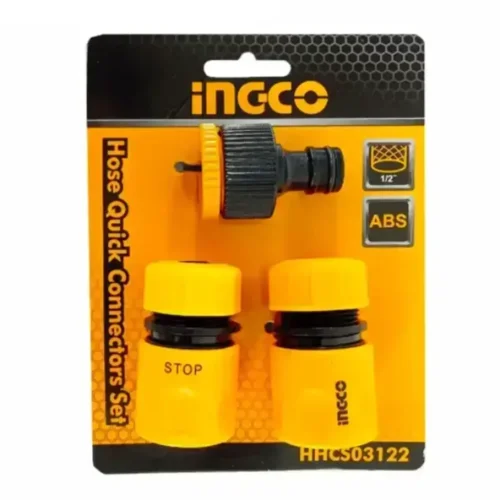
Ingco Hose Quick Connectors Set - 3 Pack
3-pack of quick connectors for garden hose systems
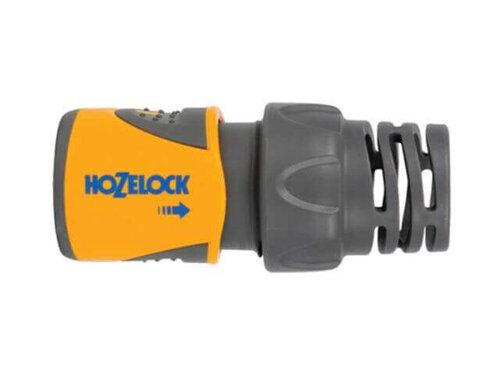
Hozelock Connector Hose End - 19mm
Hose end connector suitable for 15mm and 19mm hoses
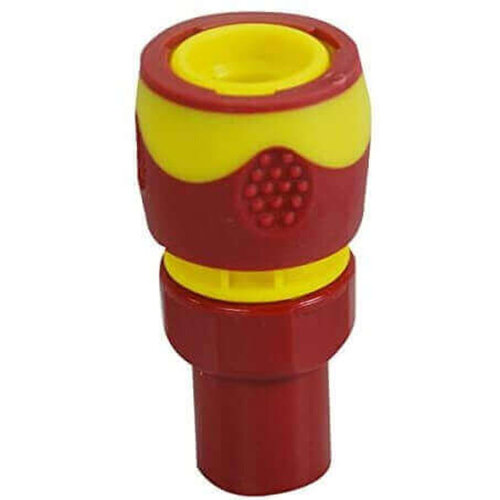
Garden PRO Support Sleeve Connector
Support sleeve connector for garden hose systems
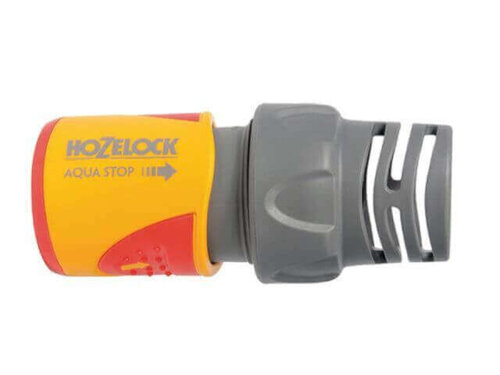
Hozelock Aquastop Connector Plus - 15mm and 19mm hose
Stops water flow when accessory disconnected, fits 15mm and 19mm hoses
For the Trade
Start with the space you’ve got and how the hose will be used, because that usually decides the connector before finish or extras do. Tight access, frequent changes, or a setup that gets knocked about will point you one way. A more permanent run with less handling points another. Hose pipe connectors in a cramped spot need to be easy to grip and secure, otherwise they’re the ones that get called back. If the job is straightforward and the connection won’t be disturbed much, you can keep it simple and avoid paying for features you won’t use.
Hose Pipe Connector Options Compared
With hose pipe connectors, the first thing to work out is how often you’ll be breaking the line and remaking it. Quick-release styles suit kit that gets swapped about. They save time at the tap end and on accessories. I wouldn’t push them for a run that’s staying put.
Threaded and clamp-style options make more sense where you want a firmer, less fussy joint. They take a bit more care to get right. If you’re building out Watering for a site that’ll be altered later, keep the connector choice simple and standardised. Mismatched fittings are what usually cause the call-back.
Choosing Materials and Size
Material and grip usually decide it. Brass hose pipe connectors suit fittings that get handled often or sit under more strain. They hold their shape better than cheaper plastic parts, but you pay for that in cost and weight.
Plastic works where the connection is light-duty or likely to be replaced sooner. It keeps the job economical.
Size matters just as much. Get the thread and hose size wrong and you’re into leaks or a loose fit. When you’re matching up to Hose Tap Connectors, check the end you’re joining before you buy. If you’re replacing the hose as well, Garden Hoses need to match the same fitting pattern, or the parts won’t marry up cleanly.
Completing the Setup
Once you’ve picked the hose pipe connectors, the next call is usually what sits either side of them. If the run is being extended or replaced, check the hose length and the tap end together so you’re not forcing an awkward join later.
If the setup is going with a spray gun or timer, make sure the connector leaves enough grip and clearance for those fittings to sit properly. Many call-backs come from parts that look fine on paper but don’t sit right once the hose is under pressure or being moved about.
Related searches
Local availability for Hose Pipe Connectors








