Water Pumps
Water pumps usually come down to where you're taking from and what you need at the other end. A submersible water pump suits water sitting below the pump, while a self priming or surface setup works better when the source is above ground and you want easier access for servicing. For clean water on garden or site jobs, a garden water pump or booster water pump may be the better fit. If you need something portable, check handling and hose connections first, because that's where jobs slow down.
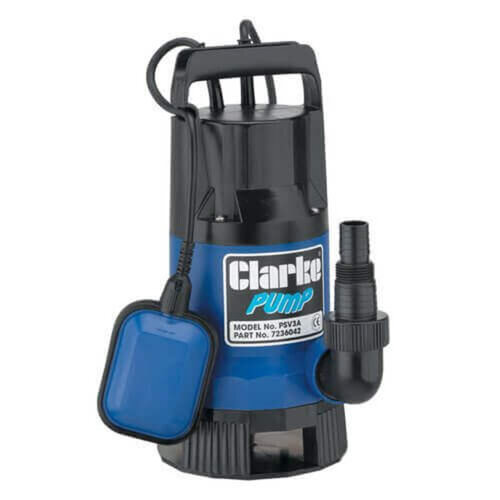
Clarke Dirty Water Submersible Pump
Dirty water submersible pump with float switch, handles solids up to 35mm.
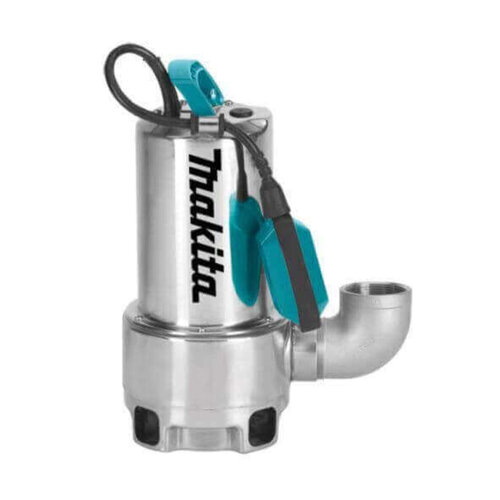
Makita PF1110 Submersible Drainage Pump Steel Frame - 250L 240V
Submersible dirty water pump, 240V, 1100W, max 250ltr/min, 10m head, handles 35m…
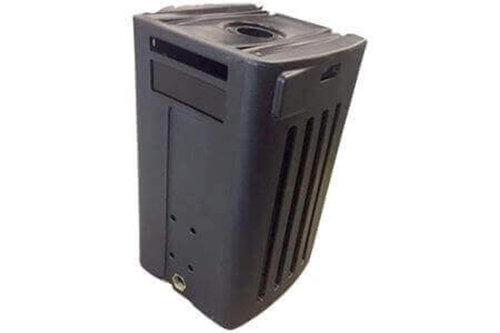
Grundfos Home Booster Slave Tank - 200L
Additional 200L water storage tank for Grundfos Home Booster
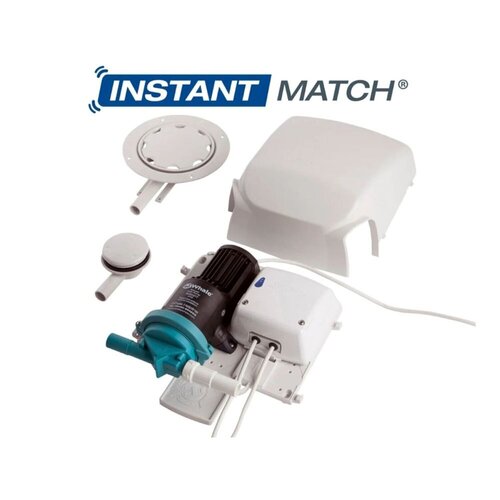
Whale Pumps the Whale Instant Match Pump with Bluetooth
Bluetooth pump for quiet gulley drainage with Mira Advance Flex Extra shower
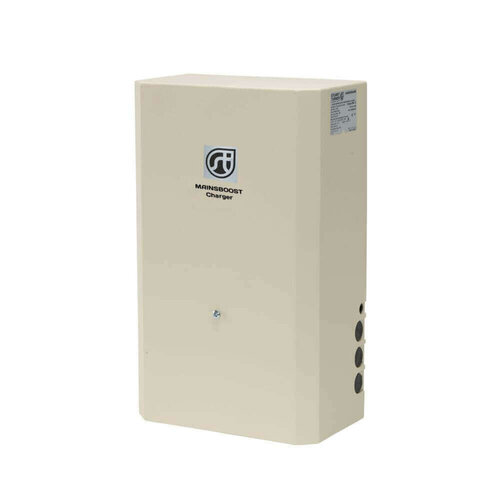
Stuart Turner Mainsboost Charger Wall Mount MBC 12-22 WM
Mainsboost Charger MBC 12-22 WM, boosts pressure 3.5 bar, wall mount
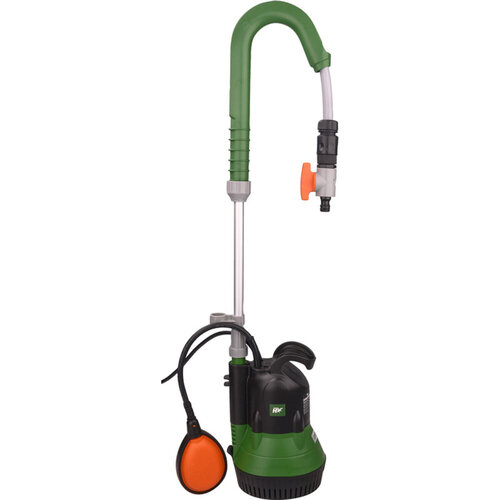
Hawksmoor Water Butt Pump - 400W
400W submersible water butt pump with 66.6L/min flow and 11m max head
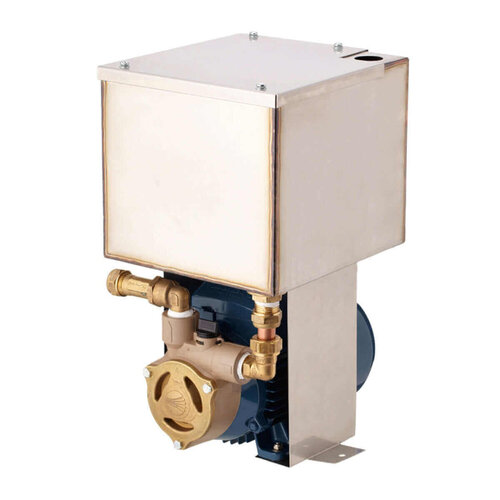
Pumphouse Pump for T&P Discharge on Unvented Cylinders
Pumphouse pump for T&P discharge, 32 LPM, 8m lift, handles 100°C.
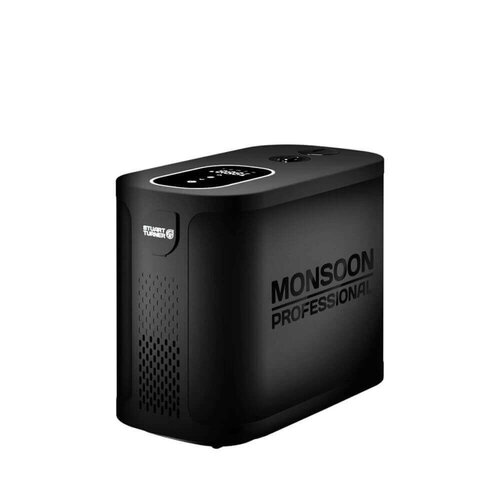
Stuart Turner Monsoon Professional Variable Speed Booster Pump
Variable speed booster pump for improving home water pressure
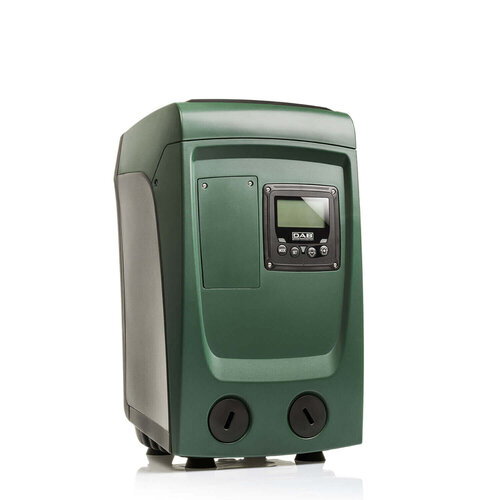
DAB Esybox Mini Water Pressure Booster Pump
Compact electronic water pressure booster pump for home use.
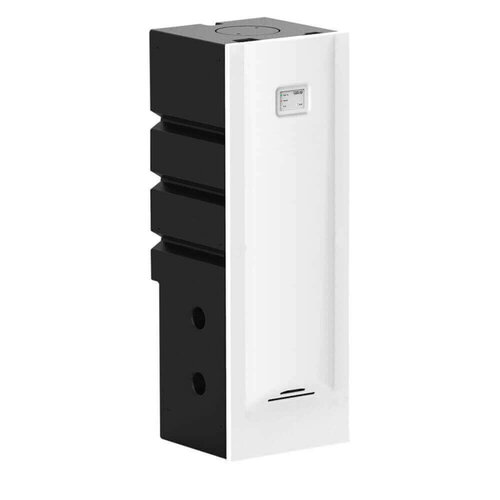
Stuart Turner Mains Boost iBoost F200-100-45
Booster pump with 200L tank that boosts mains water pressure up to 4.5 bar
For the Trade
Start with the space you’ve got and how the pump will be used, because that usually rules out half the range before you get into flow or pressure. A booster water pump makes sense where you’re trying to improve delivery to an outlet, while a garden water pump is the better shout when you’re moving water for regular outdoor use. A submersible water pump suits jobs where the unit sits in the water, but you give up easy access for servicing. The call-back jobs are usually the ones where the layout was ignored and the pump was chosen on output alone.
Popular Water Pump Formats
Most water pumps come down to where the water’s coming from and how steady you need the delivery to be. If you’re moving water from a tank, pond or other open source, a self-priming or surface pump usually makes more sense. You keep it accessible, which helps when you need to service it.
If the job sits below the waterline, a submersible water pump is the cleaner choice. You lose that easy access once it’s in place. For pressure issues, a booster water pump is the one you reach for. It won’t replace a transfer pump when the main job is shifting volume.
If you’re working through the wider Watering setup, that’s where the rest of the kit starts to matter.
Key Differences When Choosing
The first check is what you are moving and how far it has to go. Clean transfer from a butt, tank or pond usually points you to a self-priming or surface setup. Dirty water, flooded areas and anything below the waterline call for a submersible water pump.
A booster water pump fits when the source is fine but the delivery is weak. Check the head and flow against the run. That is where jobs get called back.
If you are tying into existing kit, Hose Tap Connectors and Garden Hoses often decide whether the pump is a quick fit or a nuisance.
Next Decisions After Choosing
Once you’ve picked the pump, the next call is what it has to feed and how the pipework gets there. A pump on a long run to a tap or sprinkler needs different fittings to one moving water a short distance, and that is where jobs usually go wrong if the connections are guessed.
Garden hoses, hose tap connectors and hose pipe fittings are the parts that stop you losing flow or remaking joints on site. If the pump is only shifting water between containers, keep the run simple. If it is feeding garden water pumps into regular use, the connections and take-off points matter just as much as the pump itself.
Related searches
Local availability for Water Pumps







