Watering
For watering, the first question is how much control you need. A simple manual setup suits small jobs and quick top-ups. Timed or fixed systems make more sense when the area is larger or the watering pattern needs to stay consistent. Hoses and spray gear are the quick answer, but they rely on someone being there, and that is where jobs usually slip. If you need to cover beds, borders or pots without constant attention, pick the kit that matches the pressure, reach and control you need rather than the cheapest option on the page.
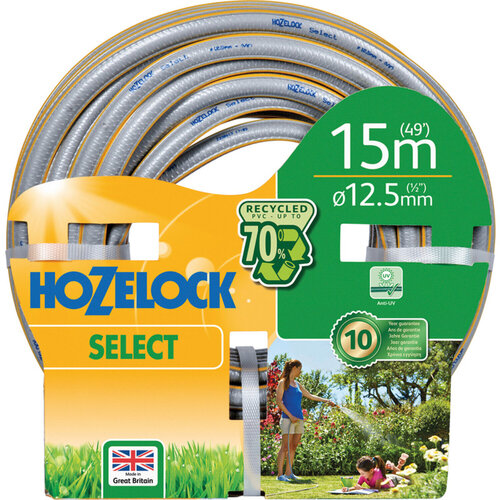
Hozelock Select Hose - 12.5mm x 15m
Durable 12.5mm x 15m garden hose with braided PVC construction
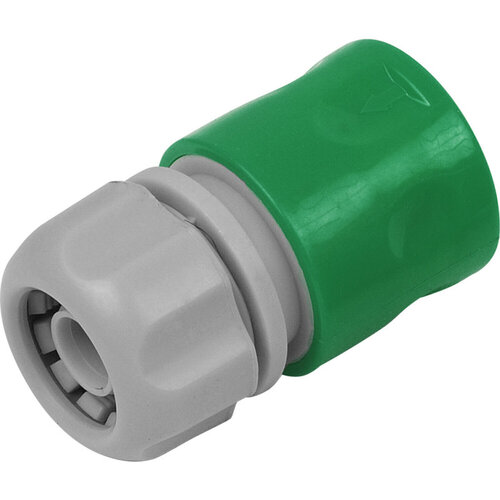
Plastic Hose Connector - 1/2"
Plastic hose connector with 1/2" quick connect female to compression and water s…
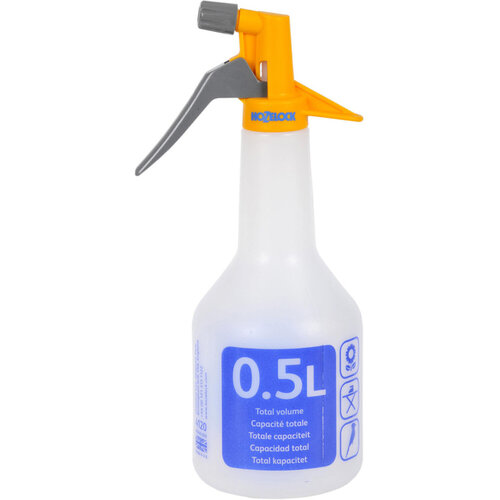
Hozelock Trigger Mist Sprayer - 0.5L
0.5 litre trigger spray gun with jet and mist patterns
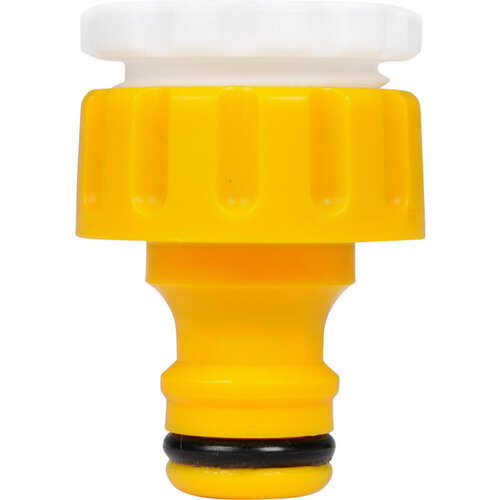
Hozelock Threaded Tap Connector
Threaded tap connector fits 1/2 and 3/4 inch taps
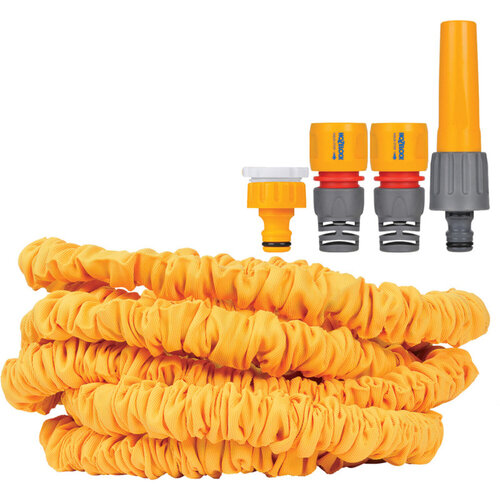
Hozelock Superhoze - 15m
Expandable 15m garden hose with kink-resistant design for easy storage
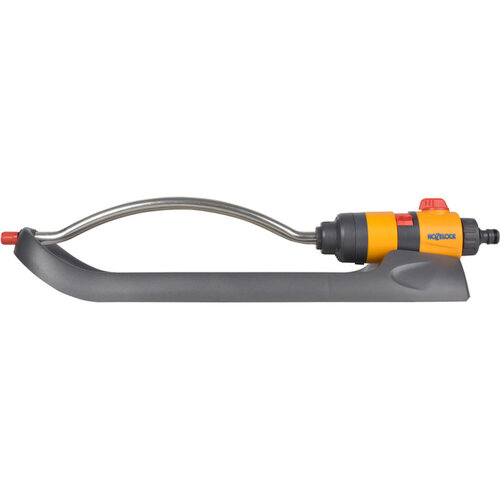
Hozelock Oscillating Sprinkler - 16 Hole
Oscillating sprinkler with 16 holes for garden watering
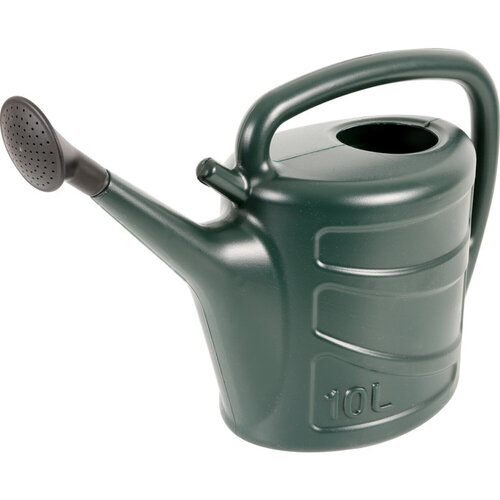
Watering Can - Green 10L
Green 10L watering can with detachable rose and wrap-around handle
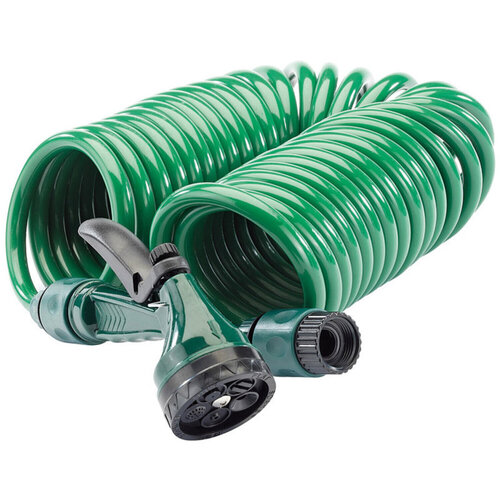
Draper Recoil Hose Kit - 10m
10m recoil hose kit with 5-pattern spray gun and tap connector
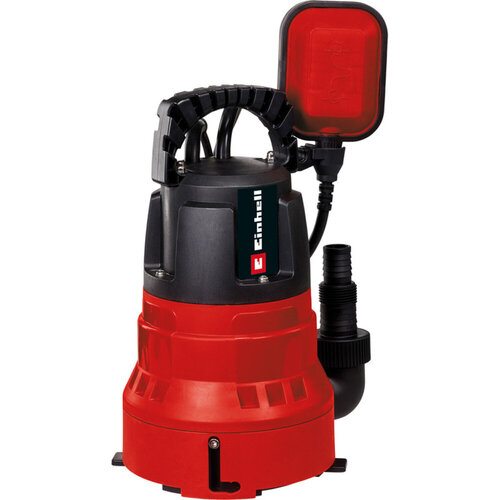
Einhell Dirty Water Pump (Low Level) GC-DP 7035 LL - 700W
700W dirty water pump, low-level suction to 1mm, max flow 16000 L/h, foreign bod…
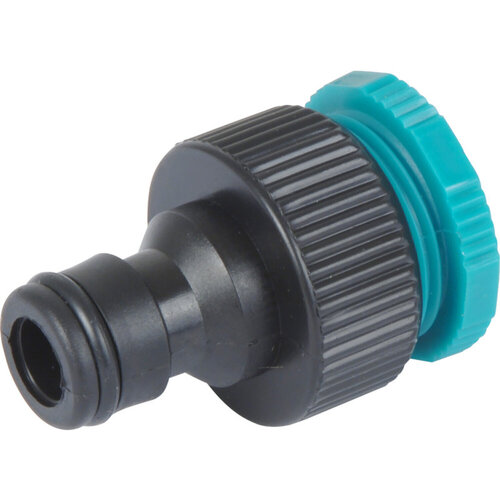
Plastic Tap Connector - 3/4"
Plastic tap connector with 1/2" and 3/4" inserts, colour may vary
For the Trade
Start with the space you’ve got and how the job will be used, then the watering choice gets easier. Tight beds, long runs, pots, or a site that needs regular cover all push you in different directions, and that is usually where the spec changes rather than at the finish. Manual gear suits smaller jobs where you want control. Timed or fixed setups make more sense when the area is bigger or the routine is the issue. Landscaping & Outdoors is the parent range if you need to keep the rest of the job under one roof, but layout still comes first.
Garden Hoses
You usually narrow watering by how far you need to reach, how much drag you can live with, and whether the hose stays out for regular use or only comes out for a quick job.
A heavier hose is less likely to kink and get called back, but it is more awkward to move round beds and corners. Lighter options are easier to handle, though they can feel flimsy if they are dragged across hard ground.
If you are only replacing a run, Garden Hoses are the first bit to check. The wrong length or bore usually causes more trouble than the rest of the watering gear.
Garden Spray Guns
When you’re choosing watering gear, start with the control you need at the point of use. A spray gun suits jobs where you need to vary the flow as you go, especially when one bed needs a light rinse and another needs a fuller pass.
It saves time compared with swapping between fittings. You do give up the fixed coverage you get from sprinklers or timed setups. For a hand-held option, Garden Spray Guns are the narrower buy in this range, and they suit work that changes from one area to the next.
Garden Sprayers
Garden sprayers suit jobs that need a finer, more controlled application than a hose or spray gun can give you. They work where coverage matters more than reach, and where you want an even spread without soaking the area.
The trade-off is speed. They are slower than broader watering gear, but they give you tighter control on targeted work. If the job calls for that finer finish, look at Garden Sprayers. Otherwise, you are carrying more kit than you need.
Garden Sprinklers
Garden sprinklers are the bit you pick when you want to cover a set area without standing there with the trigger on. For lawns, borders or larger planted sections, they make more sense than a hose or spray gun because the pattern does the work for you. You do give up some control over exactly where every drop lands.
Coverage is the main point. Fixed heads suit a regular layout. Oscillating or rotating types work better when you need to reach a wider patch. Problems usually start when the head does not match the pressure or throw you have on site.
Garden Taps
If you’re choosing garden taps, start with how that watering point will be used day to day. A simple tap is fine when you just need a reliable take-off. Go for a more substantial fitting if it will be opened and closed often, or left in regular use.
The weak point is usually the connection, not the tap body itself. Check what it has to mate with and how much wear it will see. If the job needs more control or automation, the tap is only part of the answer - the rest comes from the watering accessories you hang off it.
Garden Water Timers
Garden water timers are what you reach for when watering needs to happen without someone standing over it. They suit repeat jobs where the schedule matters more than hand control. Once the same beds or planters need attention day after day, they usually make more sense than a manual setup.
The trade-off is simple. You gain consistency, but you lose the quick judgement you get from a hose or spray gun in your hand. In practice, the choice comes down to how much control you want over run times and how often the site needs watering.
Selection Factors for Watering
Start with how much control the job needs and how much time you’ve got to stand over it. Manual watering still makes sense when you’re moving between areas or only doing a few pots. Once the work becomes regular, automatic watering solutions cut out the repeat visits, but you lose some day-to-day adjustment.
For larger planted areas, watering systems for gardens usually beat hand-held watering tools. You get a more even pattern, but you need to plan the setup. If the job sits alongside planting or hard landscaping, Outdoor Projects is usually the next stop.
Finish the Room
Once the watering side is sorted, the next call is what sits around it and how tidy the job needs to finish. If you’re feeding a bed or border, the surrounding work often comes down to storage, access and the finish that keeps the area serviceable, not just functional.
A lot of call-backs come from the bits left as an afterthought - a timer that’s fine on paper but awkward to reach, or a run that needs a neater take-off point. Keep the watering accessories matched to the rest of the install, and only step into automatic watering solutions where the job needs regular cover rather than hand control.
Related searches
Local availability for Watering