Landscaping & Outdoors
Landscaping & outdoors starts with the job in front of you - fixing a weak area, building out a new section, or getting the finish right. For durability and shape retention, landscaping stones, gravel and timber do the heavy lifting. If you need to control weeds or separate layers, landscaping fabric saves trouble later. The rest comes down to speed, finish, and how well the work will hold up once it is handed over.
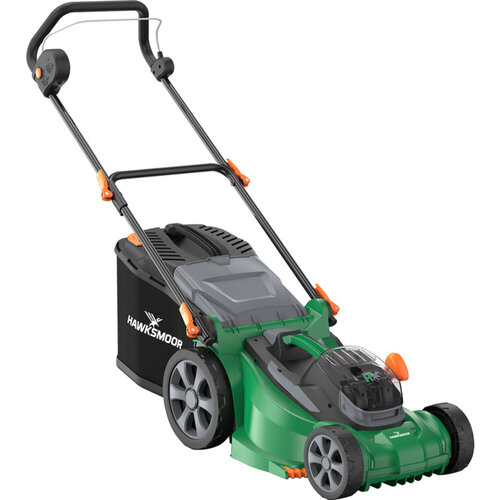
Hawksmoor 36V Brushless Cordless Lawnmower 37cm - 2 x 4.0Ah
36V brushless cordless lawnmower with 37cm cutting width, 40L grass box, and two…
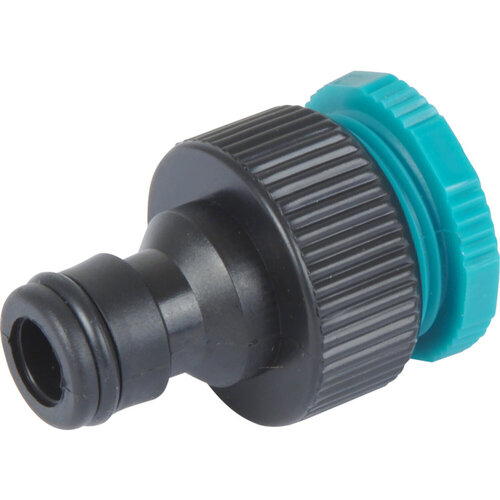
Plastic Tap Connector - 3/4"
Plastic tap connector with 1/2" and 3/4" inserts, colour may vary
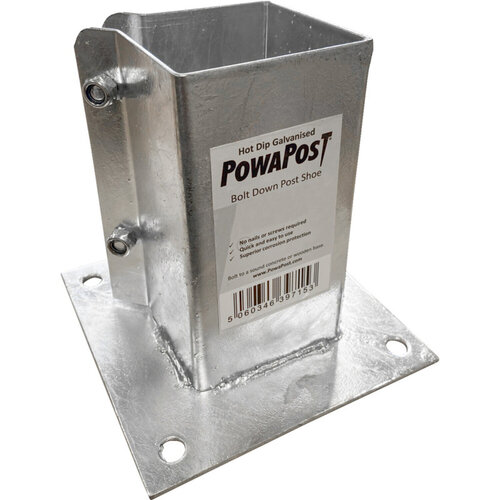
Galvanised Bolt Down Post Shoe - 100 x 100mm 2 Pack
Galvanised bolt down post shoe for hard-surface post installation, 100 x 100 mm,…
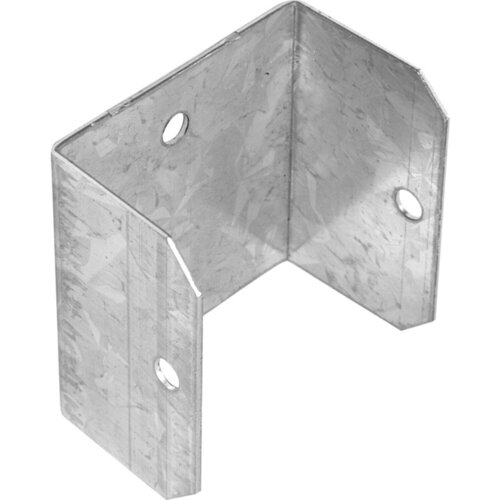
Fence Panel Clip - 44mm 16 Pack
Pack of 16 galvanised steel fence clips, 44mm width
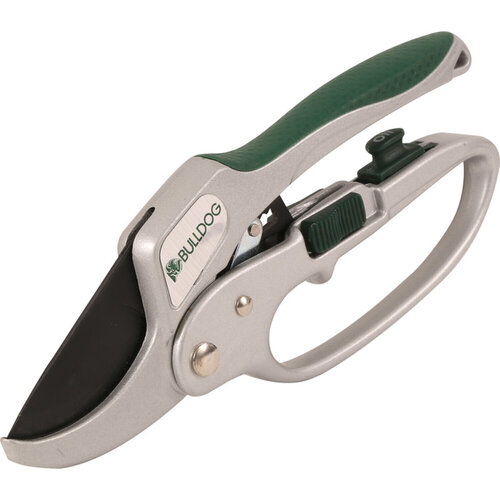
Bulldog Ratchet Secateurs
Ratchet secateurs for cutting up to 20 millimetres wood, with hardened Japanese …
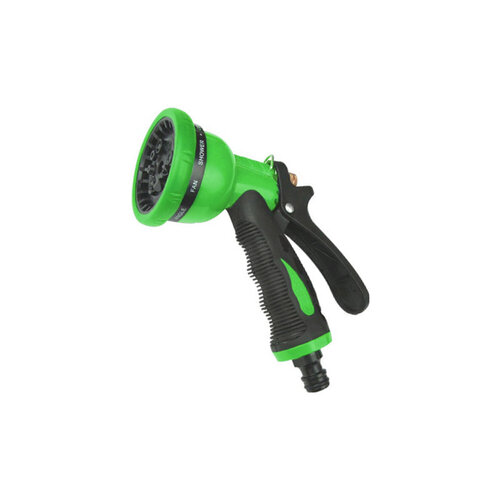
Garden Hose Multi Spray Gun
Multi spray gun with 10 patterns and quick connect
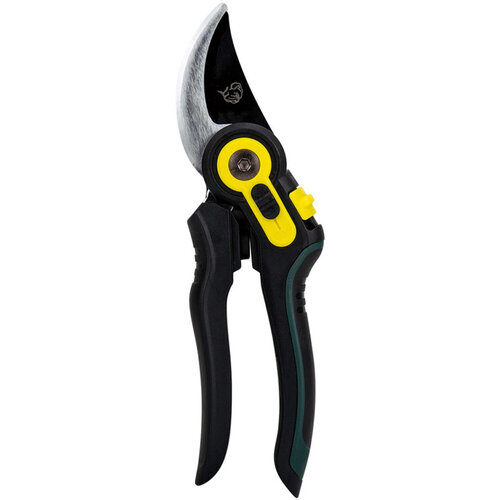
Bulldog Pro Adjustable Bypass Pruner
Bypass pruner with 24mm cut, Teflon-coated blade, adjustable handle and safety l…
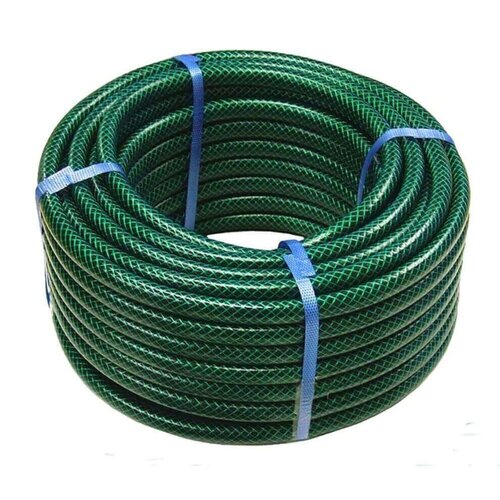
Faithfull PVC Reinforced Garden Hose Pipe - 1/2" (12.5mm) x 30m Green
30m green heavy-duty reinforced PVC garden hose
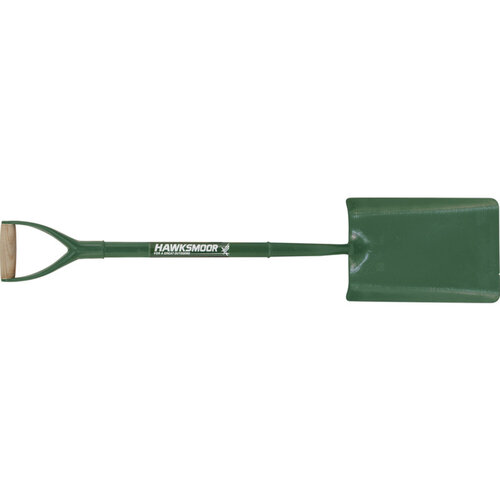
Hawksmoor All Steel Taper Mouth Shovel
All-steel taper mouth shovel with 28-inch handle and wooden grip
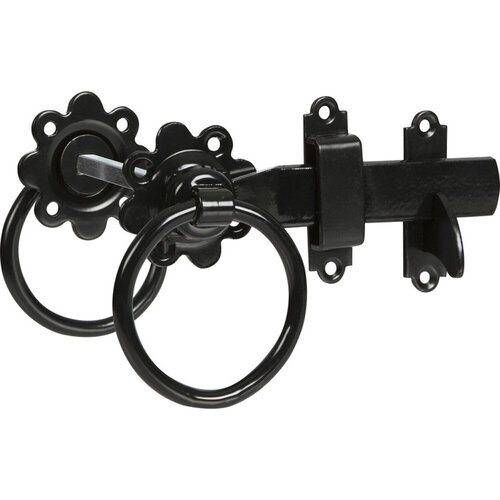
Gatemate Ring Gate Latch - 150mm Epoxy Black
Aluminium ring gate latch with epoxy black finish and 2-inch rose
For the Trade
Start with the space you’ve actually got and how it’s going to be used. That usually decides more than finish or extras. Tight access, awkward levels, or a small run will point you one way. A bigger open area gives you more room to use heavier landscaping stones, gravel, timber, or landscaping fabric without fighting the job. The call-backs tend to come from picking for appearance first and use second. If you’re buying landscaping & outdoors for a quick tidy-up, you’ll spec it differently than for a full rebuild. That’s where the right landscaping tools or garden landscaping materials matter.
Garden Buildings
For Garden Buildings, start with what it needs to do. Storage, a workspace, or something that needs to sit neatly with the rest of the job. A shed, workshop or similar structure changes the spec more than most people expect. Base, access, headroom and fixings all matter before you get near finish.
If it’s only keeping kit dry, you can keep the build-up lighter. If it’s going to be used harder, you’ll want something more substantial. That’s why Garden Buildings sits as a narrower buy within landscaping & outdoors. The rest of the range is better left for the groundworks, edging and finishing side of the job.
Garden Hand Tools
If you’re after a quick tidy-up or regular maintenance, Garden Hand Tools are the ones you reach for when control matters more than speed. They suit detail work, light clearance and finishing where powered kit is overkill.
You also avoid the noise and set-up that comes with bigger kit. The trade-off is simple. You’ll work slower over larger areas, but you get better feel and less risk around delicate edges. For heavier cutting or repetitive clearing, move up to power tools instead.
Garden Power Tools
When you’re buying for landscaping & outdoors, the first call is usually speed or control. Garden Power Tools come into their own on repetitive cutting, trimming and clearing where hand work would slow you down. If you only have a few tidy-up jobs, hand tools still make more sense.
The trade-off is time saved against extra weight, noise, and whatever charging or fuel you need to manage. For small, close-finished work, stick with hand tools. Once the same task keeps coming round, power tools earn their keep.
Maintenance & Care
For maintenance and care, you’re usually choosing between a quick tidy and stopping the same job coming back. Lighter landscaping tools and garden landscaping materials are often enough for regular upkeep, especially when you’re topping up, tidying edges or replacing worn sections.
When the finish needs to hold, landscaping fabric is the one that gets specified. It helps separate layers and slow weed growth. Stones, gravel and timber take the wear. The decision is usually how long you want it to hold before you’re back on it.
Outdoor Projects
Start with what the job needs to do. If you are laying, fixing, edging or holding something in place, that tells you whether you need bulk material, a separator, or something structural.
Landscaping stones and landscaping gravel suit jobs where you want weight and drainage. Landscaping timber is the one when you need a defined edge or a retaining detail that has to stay put.
Landscaping fabric comes in when you need to keep layers apart or stop weeds pushing through. A neat finish still needs the right base underneath.
Watering
Watering usually comes down to coverage, control and how much time you’ve got on the job. If you’re keeping beds, borders or newly planted areas moving, you want kit that gives even delivery without wasting water or leaving dry patches at the edge.
For longer runs, reach and pressure matter more than the label on the pack. Smaller jobs are often better served by lighter, simpler kit because it’s quicker to move and less likely to get left behind. In landscaping & outdoors, the wrong watering setup is the one that slows the day down.
Choosing Materials and Size
The first call is usually bulk, control, or a cleaner finish. Landscaping stones and landscaping gravel suit jobs where you want weight, drainage, and less movement once they’re down. The trade-off is handling. They are less forgiving if levels are off.
Landscaping timber works for edging, retaining, and any run that needs a clear line. Get the section size right, or it will move under load.
Landscaping fabric is worth using where weed suppression and separation matter. It still does not replace the right base.
In landscaping & outdoors, the job usually tells you more than the label.
Completing the Setup
Once you’ve picked the main kit, the next buy is usually the bits that finish the job properly - screens, edging, storage and the surrounding materials that stop a call-back.
If you’re building out a scheme, garden buildings come in when you need enclosed storage or a fixed point for the rest of the layout. Landscaping timber is the lighter option when you just need a clean edge or a simple divider. The usual problem is leaving the finish to last, then finding the access, fixings or footprint don’t suit what’s already been ordered.
Related searches
Local availability for Landscaping & Outdoors

















