Extension Poles
Extension poles come down to reach, weight and how much adjustment you need during the job. A telescopic extension pole suits work where the height changes, while a fixed-length option can feel steadier if you stay on the same area all day. Aluminium extension poles are common because they keep the weight sensible. If you are working ceilings or long runs, a lighter pole is worth a look. A heavy one gets tiring fast, and the finish starts to suffer.
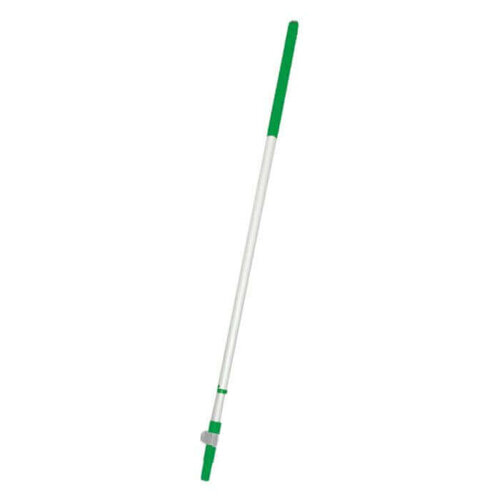
Osmo Aluminium Telescopic Handle - 1100mm to 2200mm
Osmo aluminium telescopic handle, 1100mm to 2200mm, with quick-connect and soft …
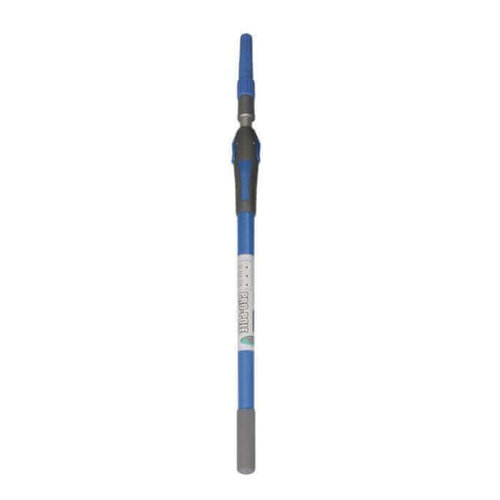
Axus Decor Blue Series Extension Pro Pole - 1350mm to 3650mm
Lightweight extendable pole with quick-lock, extends from 1350 to 3650 mm.
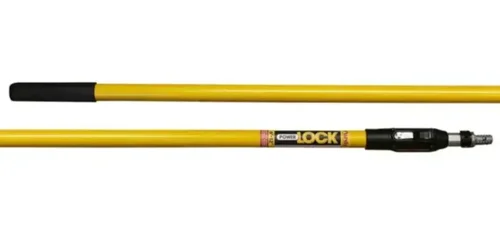
Purdy Power Lock Extension Pole - 1800mm to 3600mm
Extension pole 1800 to 3600 millimetres with locking mechanism and Quick Connect…
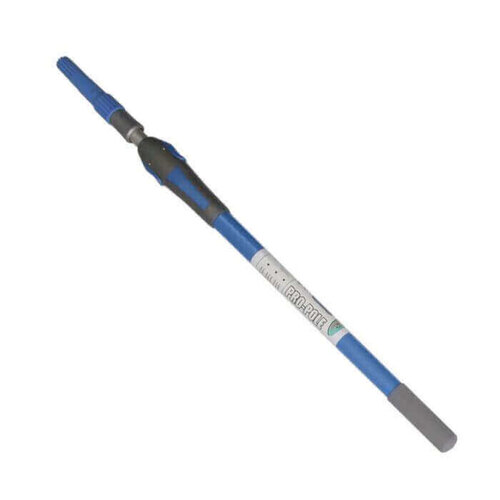
Axus Decor Blue Series Extension Pro Pole - 460mm to 670mm
Axus Decor Blue Series extension pole, adjustable 460mm to 670mm
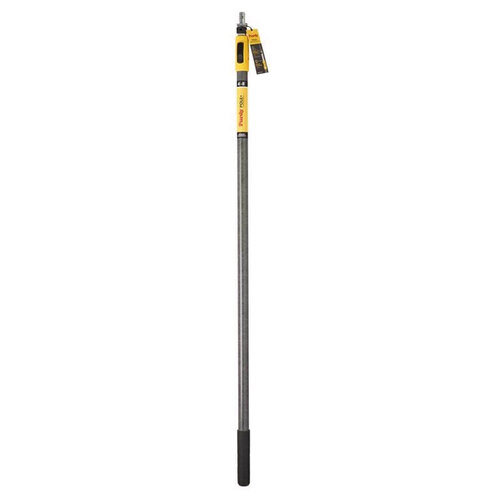
Purdy Pole+ Telescoping Extension Pole - 4-8 ft x 1" Fiberglass
Fibreglass telescoping pole 4-8 ft, 1" diameter, pin lock, universal tip
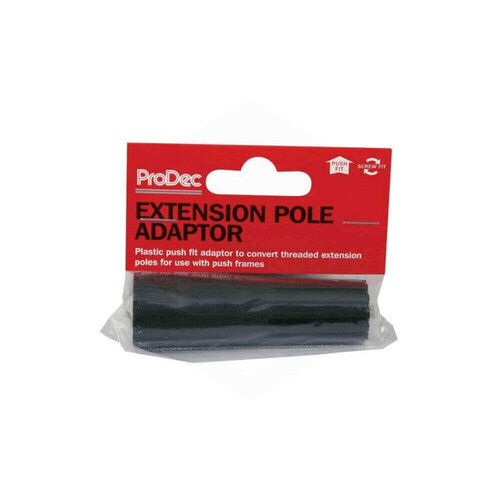
Prodec Push Fit Extension Pole Adaptor
Push fit adaptor for connecting painting tools to extension poles
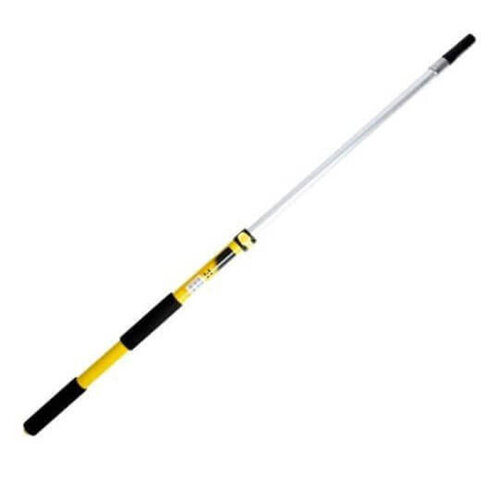
Coral Endurance Extension Pole - 0.6-1.2m
Adjustable 0.6-1.2m extension pole with 3/4" ACME threaded tip
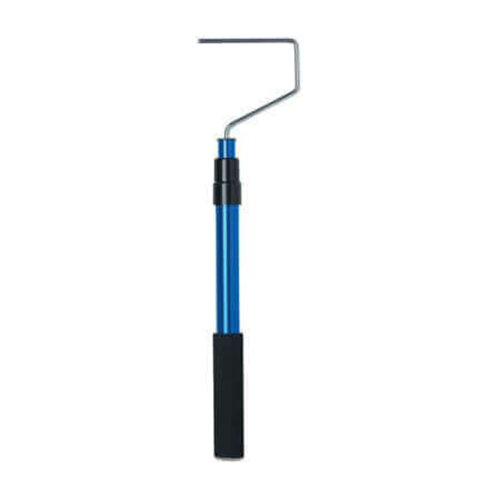
Whizz Mini-Roller Extension Pole - 19" - 34"
Whizz mini-roller extension pole, extends from 483mm to 864mm
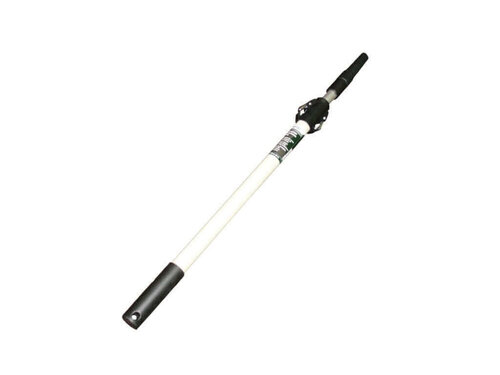
Rota Click Lock Extension Pole
Lightweight fibreglass extension pole with click lock for paint rollers
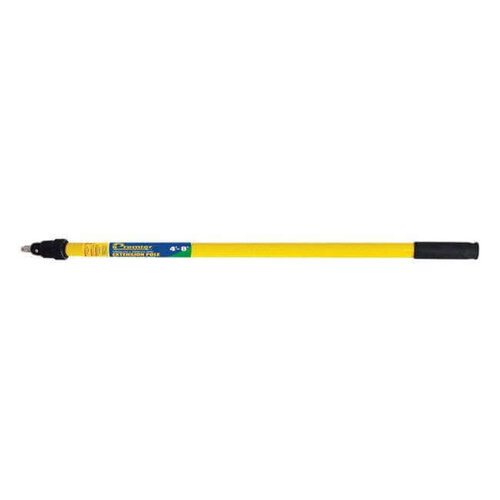
Premier Paint Roller Heavy Duty Extension Pole - 4ft - 8ft
4ft to 8ft heavy-duty steel extension pole with grooved handle
For the Trade
How much reach you need comes first, and that can change as the job moves on. On long runs and awkward access, extension poles save time because you are not up and down a ladder every few minutes, but the lock still has to hold firm - a sloppy collar gets called back. A telescopic extension pole suits mixed heights and quick changes. Aluminium extension poles are usually the lighter pick for all-day use. If the reach stays the same, a simpler pole often feels steadier in hand.
Types of Extension Poles
Telescopic extension poles are the usual pick when the height changes through the job. You set them where you need them instead of carrying two or three lengths.
Paint extension poles suit straightforward roller work when you want a simple setup. Decorator extension poles make more sense for mixed decorating tasks when one pole needs to cover more than rollers.
Trade extension poles come into play when the work is heavier or more frequent. You are buying for daily use, not the lightest option.
Lightweight extension poles help when you are working overhead for long spells, but you do give up a bit of rigidity. If you are building out the rest of the kit, keep the rest of your Decorating Tools & Equipment matched to the same sort of job.
Selection Factors for Extension Poles
Material is the first thing to check. Aluminium extension poles are usually the pick when you want less weight in the hand and less fatigue over a long run. They can feel colder and less forgiving than heavier options.
That matters on site, because the pole you hold all day affects how steady the work feels as much as the reach does. For lighter decorating work, a lightweight extension pole is often enough. When the job is more repetitive, or you are pushing a heavier head, the firmer feel of aluminium extension poles is usually worth the extra weight.
For related jobs, Decking Stain Applicators and Decorating Sets are the next places to look when the pole is only one part of the kit.
Finish the Room
Once you’ve picked the pole, the next question is what else is going with the job. If you’re covering a room properly, you’ll usually be looking at the surrounding finishes and the bits that keep the work moving - things like paint rollers, paint trays and paint scuttles & kettles, plus the paint brushes and knives & scrapers that finish the awkward edges.
A decorating set can save time when you want the basics in one go, but it’s not much use if you already know you need a better roller head or a specific brush. The usual mistake is buying the pole and then finding the rest of the kit doesn’t suit the surface or the pace of the job.
Local availability for Extension Poles








