Knives & Scrapers
When you're choosing knives and scrapers, start with the job in front of you. A stiffer blade suits heavier scraping and stubborn filler, while a wider, flatter knife is the better call for spreading and finishing. Stainless steel helps where rust marks are a problem, and a heavier scraper can feel more planted on rough prep. The usual issue is a blade that's too flexible for the task. It chatters and leaves you going back over the same patch.
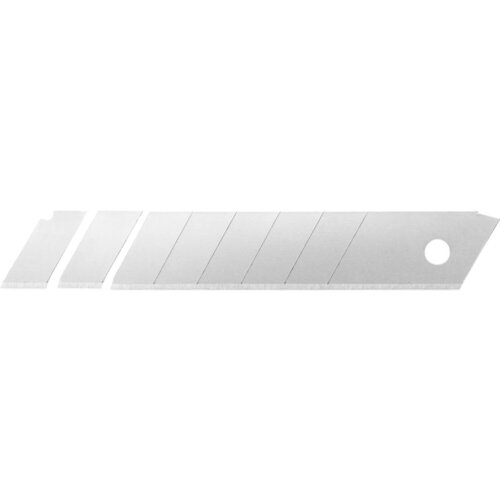
Draper Snap Off Segment Blades - 18mm 10 Pack
10 pack of 18mm high-carbon steel snap-off blades
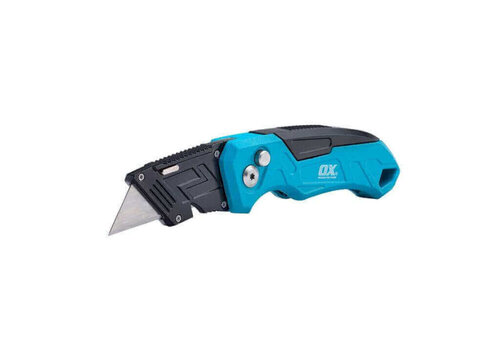
OX Tools Pro Heavy Duty Fixed Blade Folding Knife
Heavy-duty folding knife with fixed steel blade
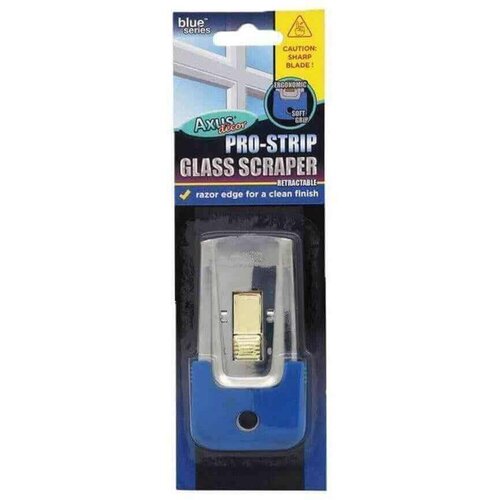
Axus Decor Pro-Strip Glass Scraper - Blue
Retractable glass scraper for removing adhesives, grout and dirt
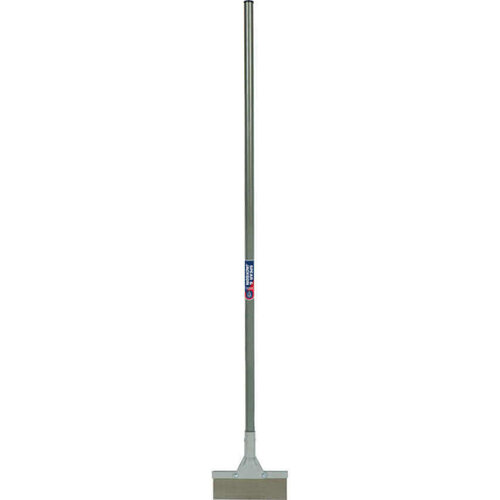
Zoro Select Floor Scraper Blade
High carbon spring steel floor scraper blade, 75 x 205mm
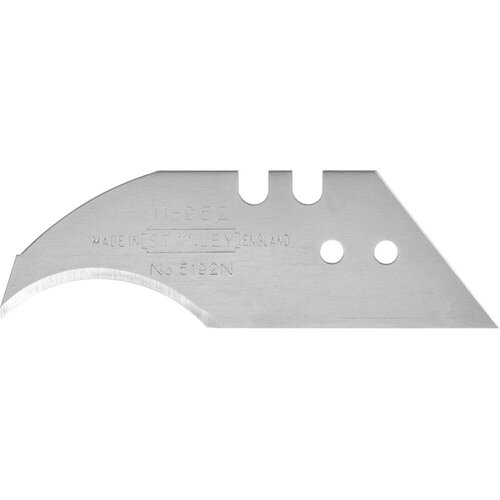
Stanley Trimming Knife Blade
Concave trimming knife blade, 60mm, for precise cutting
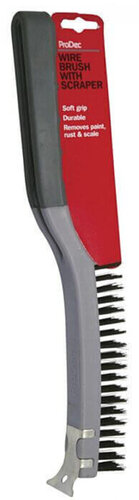
Prodec Wire Brush 3 Row & Scraper - 350mm
3-row wire brush with scraper and contoured soft grip handle
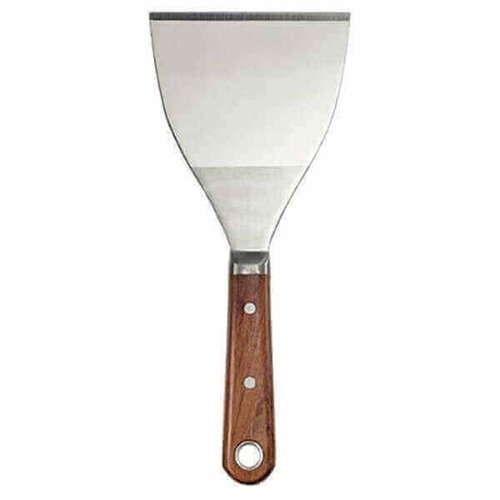
Scale Tang Scraper - 4"
4-inch tang scraper for surface preparation and scraping
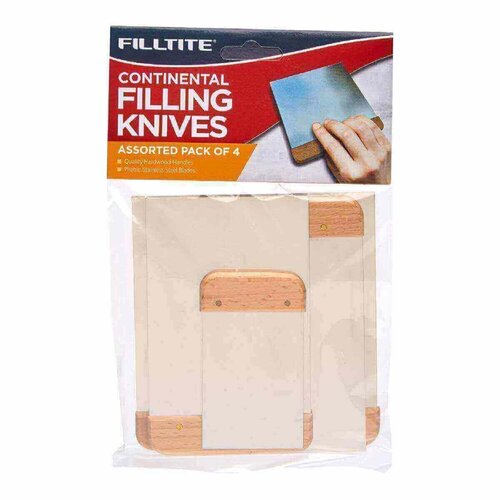
Filltite Continental Filling Knives Set - 4 Pack
Set of 4 flexible filling knives with stainless steel blades and FSC hardwood ha…
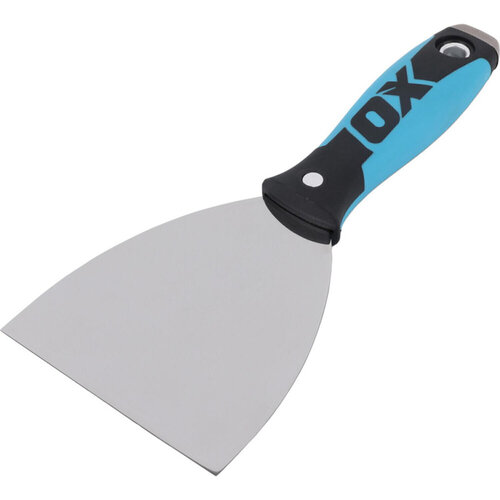
OX Tools OX Pro Joint Knife - 102mm
102mm stainless steel joint knife with flexible blade, soft handle, and hammer e…
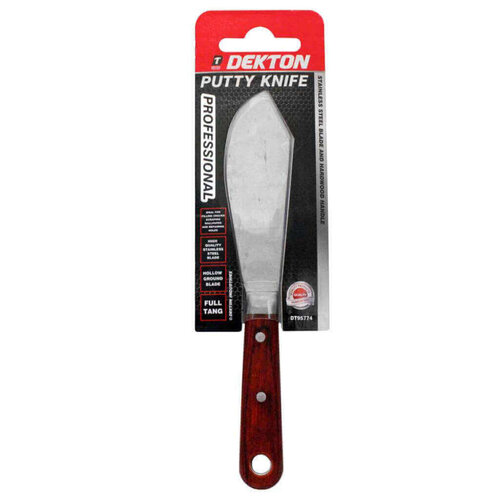
Dekton Putty Knife
Stainless steel putty knife with hardwood handle and full tang
For the Trade
You’re usually choosing knives and scrapers by the job in front of you, not by the label. For rough prep, go heavier. A firmer blade and a handle you can lean on will take more abuse. For filling and finishing, a cleaner edge and a bit more flex matter more than brute force. Stainless options are worth a look where you’re working wet or with compounds that stay on the tool, but they’re not always the cheapest buy. Most returns come from width or stiffness being wrong for the work, even when the tool feels fine in hand.
Knives & Scraper Options Compared
The main choice is between a rigid scraper for stubborn paint and a more flexible knife for filling and finishing. A heavy duty scraper earns its keep on hard edges and old coatings, but it gives you less control when the surface needs a cleaner touch.
Putty knives and filling knives suit smaller repairs. They give you more control where the work is tighter and the finish matters more. Scraper blades work with replaceable-blade tools when you want a fresh edge without changing the whole tool.
If you are carrying one type, match it to the job first. A tool that is too stiff or too broad is usually the one that slows you down. If you want the full range in one place, start with Decorating Tools & Equipment.
Choosing Materials and Size
Material is where you narrow knives and scrapers down properly. A stainless steel scraper or stainless steel knife is usually the pick when you want a firmer enamelled face for tougher daily use. It also holds up better on wet or messy prep than a softer blade.
The trade-off is weight. You feel that over a long shift, and it is less forgiving to carry than acrylic. Material changes both handling on site and how the tool feels in daily use, so step up to stainless only when the job justifies it.
If you are finishing up with Paint Brush Cleaner or moving on to Paint Brushes, keep the scraper choice in line with the rest of the kit rather than overbuying on weight.
Completing the Setup
Once you’ve picked your knives and scrapers, the next call is what sits around them on the job. If you’re clearing back to bare areas, the follow-on kit usually comes in the same prep order - brushes, rollers, trays and scuttles for the finish, then brush cleaner and storage so decent kit stays in use after one shift.
That is often where the job slows down, not at the scraping itself, but in the bits that keep you moving once the surface is ready. For smaller repairs, putty knives and filling knives keep the work neat without bringing in heavier kit.
Related searches
Local availability for Knives & Scrapers

















