Paint Brushes
If you’re choosing paint brushes for a job, start with the finish and the speed you need, then decide whether you want a firmer edge for cutting in or a fuller head for broader work. Synthetic paint brushes are usually the pick with modern water-based paints, while bristle paint brushes still have a place on the right solvent-based work. Angled paint brushes help where you need a cleaner line, while flat paint brushes are often the better call when you want more even loading on larger runs.
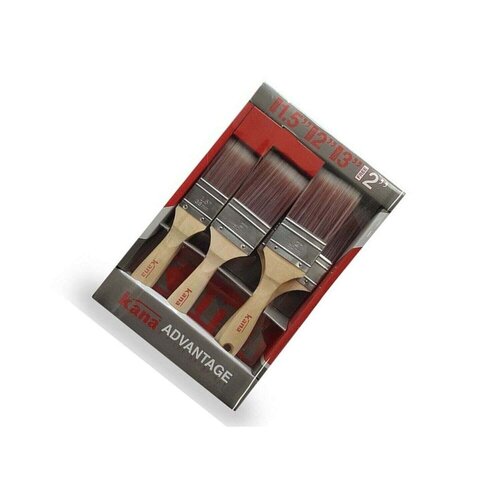
Kana Advantage Brush Set - 6 Piece
6-piece synthetic paint brush set for smooth finish
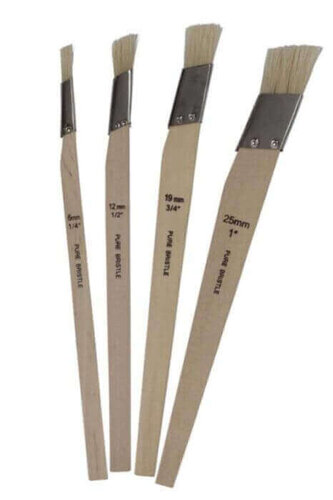
Prodec Slanted Lining Fitch Brush - 4 Pack
4 pack of slanted lining fitch brushes with pure white bristles for precise cont…
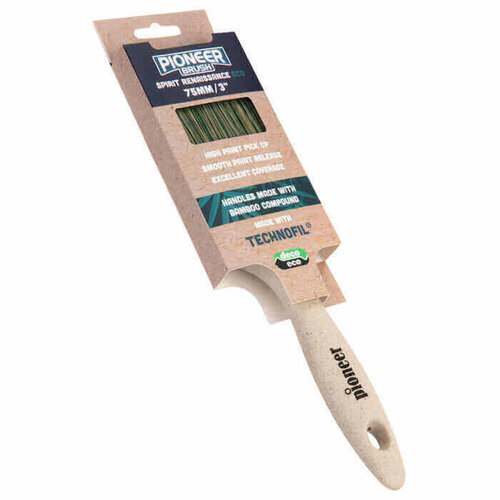
Pioneer Spirit Renaissance Eco Brush - 2 1/2"
2 1/2" brush with bamboo fibre for sustainable decorating.
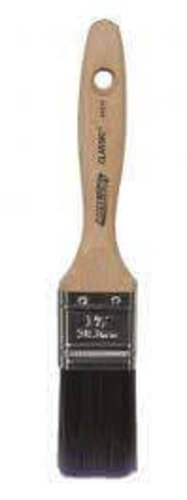
Arroworthy Classic Flat Brush - 1.5"
1.5" flat brush with polyester filaments for water and oil based paints
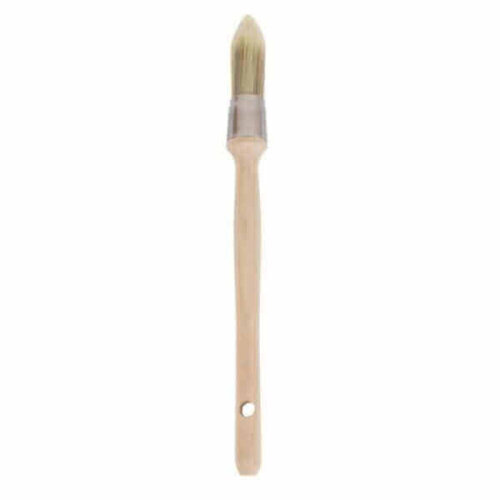
Prodec Synthetic Pointed Sash Brush - 21mm
21mm synthetic sash brush for precise detailing around sash windows, architraves…
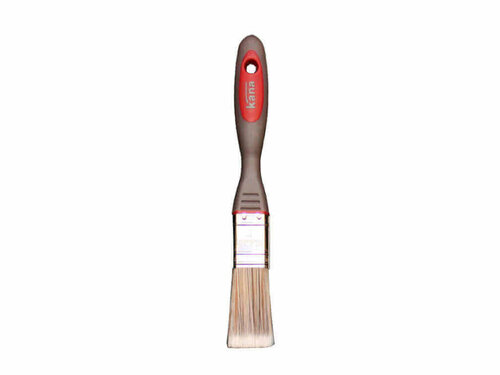
Kana Easy-Flo Paint Brush
Contractor paint brush with soft grip handle for all paints
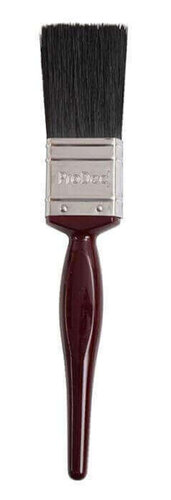
Prodec Contractor All Purpose Brush - 38mm
38mm all-purpose brush, synthetic/natural mix, trade finish
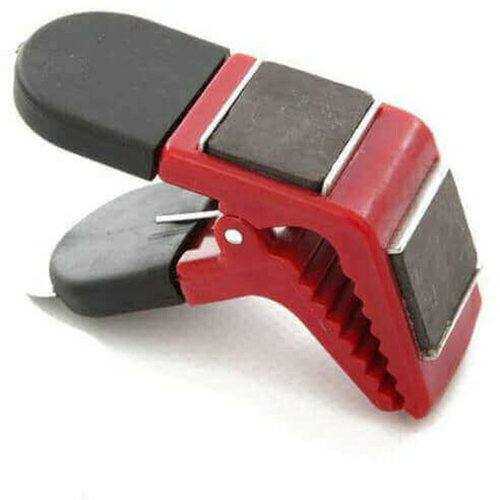
Magnetic Brush Clip - Box
9-inch wallpaper hanging brush with synthetic filaments and grooved handle
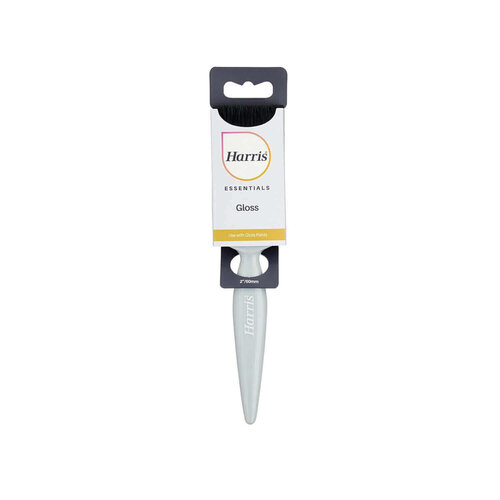
Harris Essentials Gloss Paint Brush - 2"
Harris Essentials 50mm gloss paint brush for general painting.
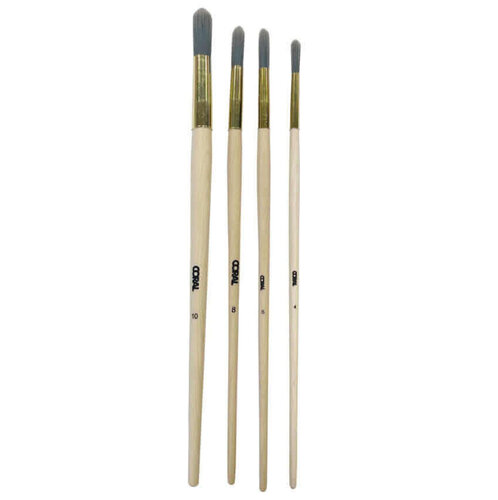
Coral Precision Round Fitch Set - 4 Pack
Set of 4 precision round fitch brushes for detailed painting
For the Trade
The first question is what finish you’re after and how much time you’ve got to keep it moving. For quick cutting in and trim work, angled paint brushes and flat paint brushes cover most jobs. The real split is between a brush that holds a clean edge and one that carries more paint. Synthetic paint brushes usually suit modern coatings, while bristle paint brushes still get the nod for some solvent-based work and traditional finishes. A brush that loads badly or sheds on the first coat gets binned on site, so match the brush to the paint rather than just the size.
Types of Paint Brushes
You usually narrow paint brushes by the finish you want and how much control you need at the edge. Trade paint brushes are the tougher option when the brush needs to stand up to repeated use. Synthetic paint brushes suit modern water-based paints because they keep their shape and stay firmer for longer.
Bristle paint brushes still have a place on solvent-based work and some traditional finishes, but they are not the right fit for every job. Angled paint brushes work well for cutting in and awkward lines. Flat paint brushes are the simpler choice when you want a straight, even stroke. If you are building a kit from Decorating Tools & Equipment, that is usually where the decision starts.
Selection Factors for Paint Brushes
The first question is what the surface is doing, because coverage and recoat time change with the substrate. New plaster pulls harder than a previously painted wall, and bare masonry is a different job again, so the brush choice follows the paint system as much as the finish.
On fresh or repaired areas, you usually want a brush that carries enough paint without dragging. On sound painted work, a finer brush often leaves less to tidy up.
That is where Decorating Sets make sense when you need the basics in one go. Decking Stain Applicators come in once the job moves to exterior timber and the spread needs to suit the surface.
Finish the Room
Once you’ve picked the brush, the next call is what else the job needs around it. If the surface is patchy or you’re changing sheen, get the prep and undercoat right first. That stops you chasing marks with a better brush later.
For awkward edges and trim, angled paint brushes save time. Flat paint brushes give you a cleaner run where the line needs to stay straight. Synthetic paint brushes are usually the pick with modern water-based coatings. Bristle paint brushes still earn their keep on solvent-based work.
A lot of call-backs start with the wrong brush on the wrong finish, not the paint itself.
Related searches
Local availability for Paint Brushes










