Paint Scuttles & Kettles
When you’re choosing paint scuttles and kettles, start with how much you need in hand and how often you’ll be moving it. A smaller paint kettle is easier to carry for cut-in and touch-up work. A larger scuttle suits roller work because you’re not constantly refilling. Plastic is the lighter option and usually the one you grab for quick jobs. Metal feels firmer and stands up better when the pot is going to take more abuse. Size is what usually catches people out. Too small and you’re back to the tin. Too big and it’s awkward on the ladder.
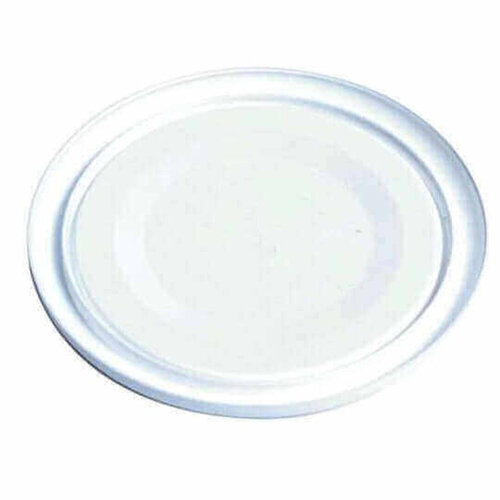
Plastic Lid for 1EC Plastic Paint Can
Plastic lid for Prodec 1EC plastic paint can
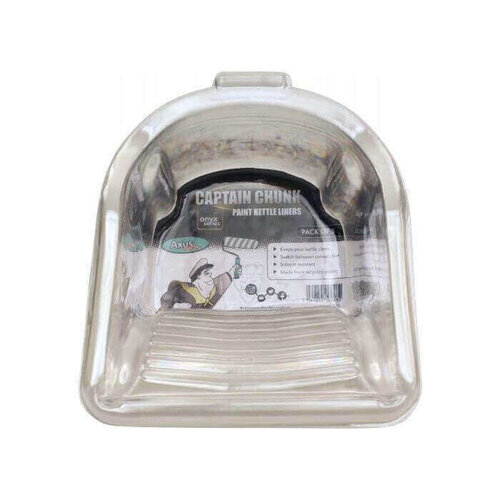
Axus Decor Captain Chunk Paint Kettle
Axus Decor Captain Chunk paint kettle
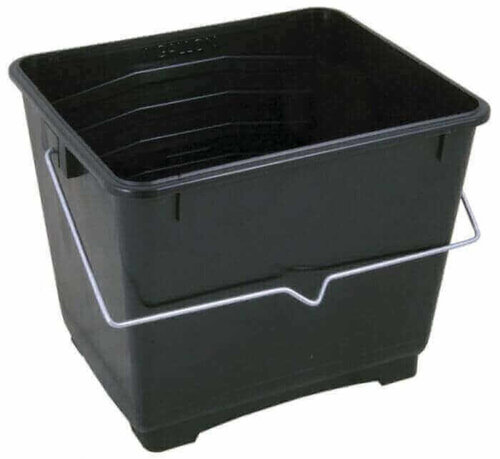
Prodec Paint Scuttle Plastic - 5L
Black plastic 5L paint scuttle with metal handle, graduated markings, suits roll…
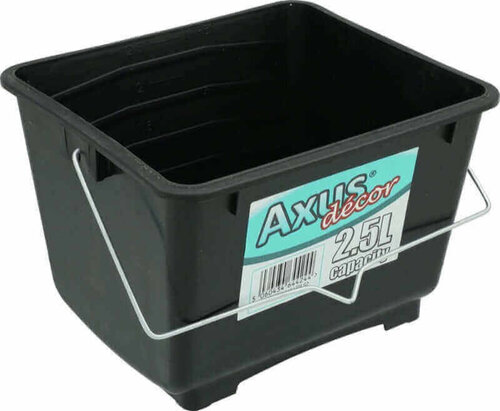
Axus Decor Paint Scuttle - 2L Blue
Axus Decor 2L blue paint scuttle
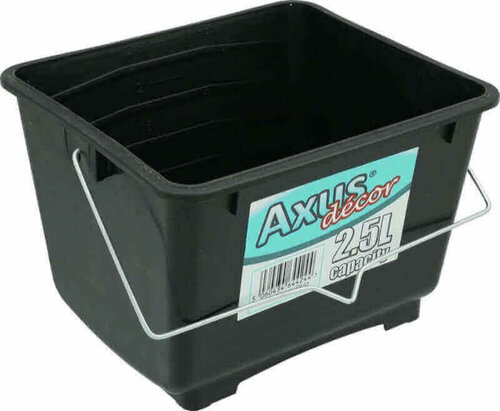
Axus Decor Paint Scuttle - 10L Blue
Sturdy blue plastic paint scuttle, 10 litres
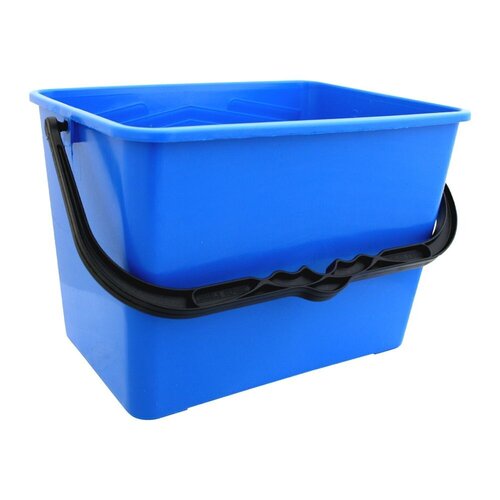
Seagull Plastic Scuttle - 7L
7L blue plastic scuttle for paints and fillers
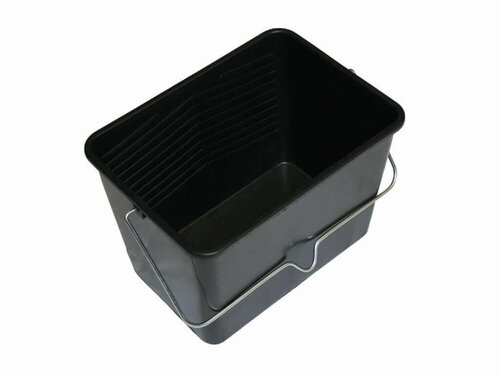
Paint Scuttle
10-litre paint scuttle with measurement markers and ribbed interior
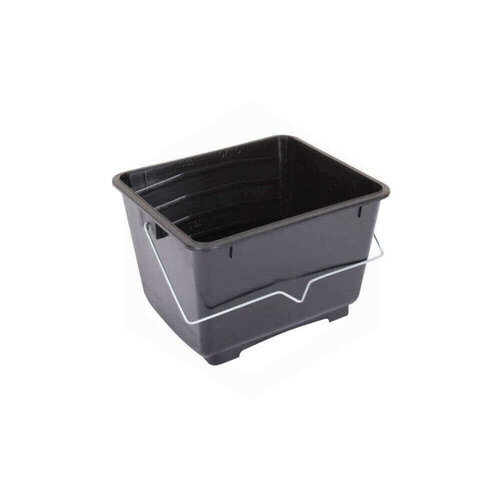
Prodec Plastic Paint Scuttle - 2.5L Black
Black plastic paint scuttle with 2.5 litre capacity
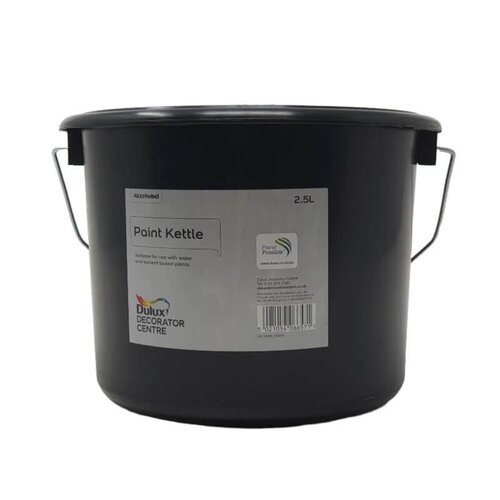
Dulux Decorator Centre All Purpose Paint Kettle - 1L
1 litre all-purpose paint kettle for cutting in and small jobs
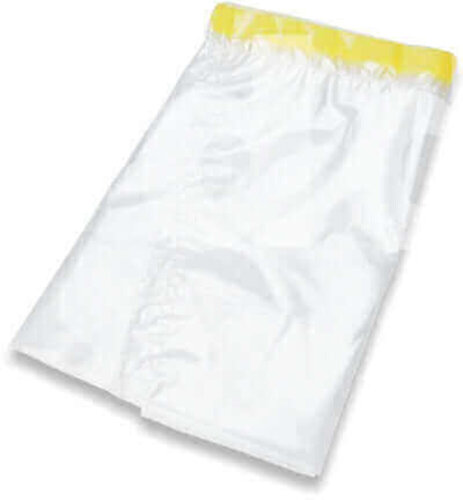
Scuttle Liners - 9L 8 Pack
Pack of 8 liners for 9L scuttles, suitable for oil and water-based paints
For the Trade
What matters first is how much paint you want in hand and how often you’re moving it. Paint scuttles and kettles are usually picked to keep the job moving without dragging a full tin round the room, but the wrong size just becomes dead weight. If you’re cutting in and only need a manageable amount, a paint kettle is usually enough. If you’re feeding rollers or working through a bigger area, a scuttle gives you more usable paint before you’re back at the tin. Access matters too. If it’s going up ladders or through tight rooms, the lighter, simpler option tends to get used properly.
Types of Paint Scuttles & Kettles
A paint kettle suits trim, touch-up and cut-in work because it keeps the load small and easy to control. A paint scuttle makes more sense when you need more paint in hand and want fewer top-ups.
The trade-off is simple. Kettles are handier. Scuttles carry more. On Decorating Tools & Equipment, you’ll see the rest of the kit around that choice.
Selection Factors for Paint Scuttles & Kettles
What you buy usually comes down to how much paint you want in hand, how often you’re moving, and what finish you’re on. For cut-in and small touch-up work, a compact paint kettle keeps the load down. For roller work or longer runs, a larger scuttle gives you more paint and fewer refills.
Plastic paint kettle options are lighter and easier to carry. A firmer plastic scuttle is often the better pick when you want a wider opening and steadier loading. Coverage and recoat time only mean something once the substrate is known, because new plaster, bare masonry, and previously painted surfaces pull paint differently.
If you’re moving between systems, Decorating Sets can make more sense. If the job is exterior timber, Decking Stain Applicators are the next stop.
Finish the Room
Once you’ve picked the coating, the next call is what else has to move with it - prep, primer or undercoat, and the hand tools that suit the surface. Paint scuttles and kettles sit in that part of the job, because they decide how much paint you keep close and how often you stop to refill.
A paint kettle is usually the neater choice for trim and small runs. A scuttle makes more sense when you’re feeding a roller or covering a bigger area. Plastic is lighter to carry. Metal tends to feel steadier in use. The job, and how you move round it, usually decides which one earns its place.
Related searches
Local availability for Paint Scuttles & Kettles











