Paint Trays
Paint trays come down to how much paint you need on hand, how often you are changing colour, and whether you are using a roller or brush. A small paint tray suits touch-up work and tighter jobs, while a larger or deep paint tray gives you more working paint and fewer refills on bigger runs. Plastic paint trays are the usual trade choice because they are cheap to replace, and tray liners help speed up clean-down between coats.
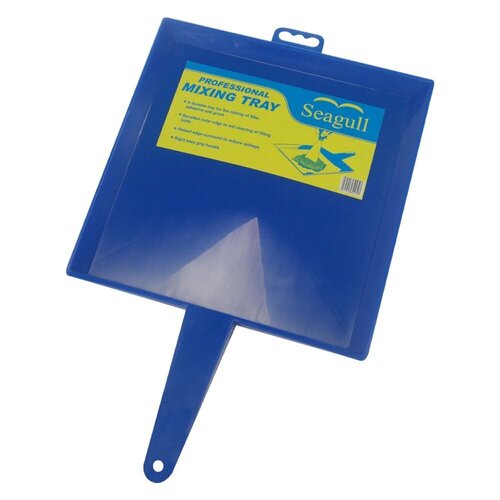
Seagull Professional Mixing Tray - 25cm x 25cm
25cm x 25cm plastic mixing tray for plaster, fillers, paint and adhesives
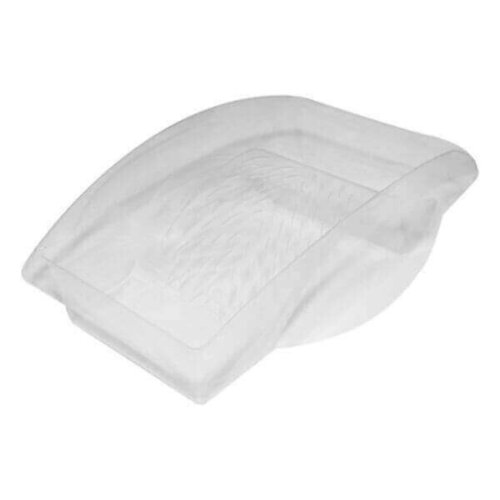
Osmo Roller Tray Inserts - 100mm 10 Pack
10-pack of 100mm roller tray inserts for Osmo painting sets
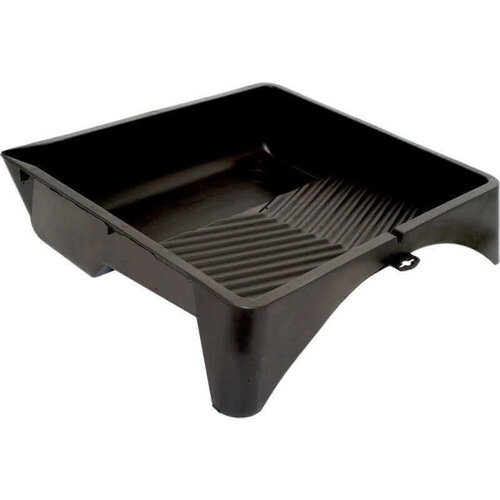
Prodec Roller Tray - 12"
12-inch roller tray suitable for gloss, emulsion and woodstain paints
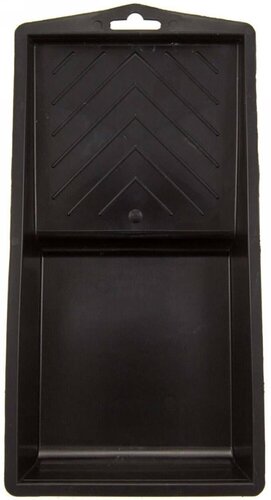
Dulux Decorator Centre All Purpose Roller Tray - 9"
229mm all-purpose roller tray for painting tasks
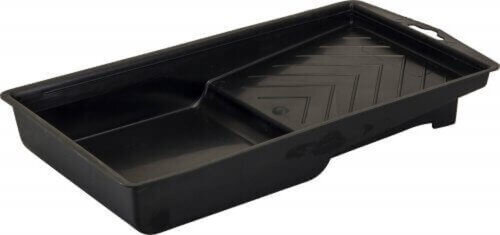
Axus Decor Paint Tray Blue Series - 4" / 100mm rollers
Sturdy blue paint tray for 100mm rollers with pouring lips and grooves
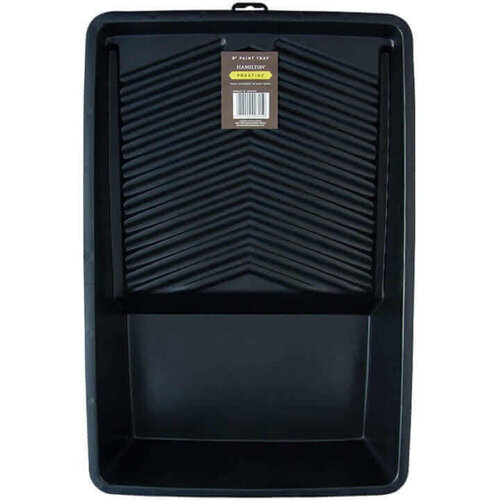
Prestige Paint Tray - 9"
Paint tray measuring 228.6 millimetres (9 inches)
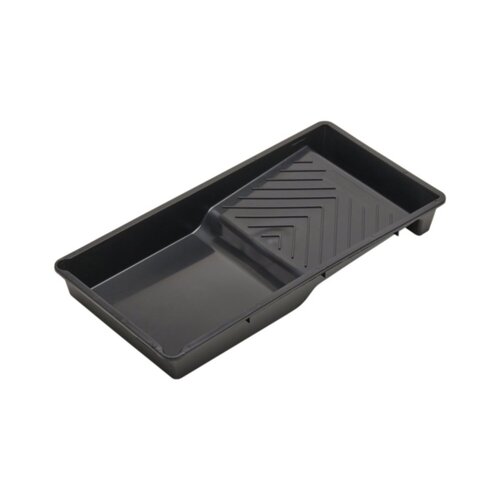
Hamilton For the Trade Roller Tray - 100mm (4") Black
Black 100 millimetre roller tray made from recycled polypropylene
For the Trade
What usually decides it is how much paint you want in front of you and how often you’re stopping to reload. A shallow tray keeps the footprint small on a crowded floor, but it can feel cramped if you’re pushing volume through a roller. Go deeper when you want fewer trips back to the tin, especially on longer runs where layout matters more than easy carrying. It takes up more room and can be clumsier in tight access. A plastic paint tray is still the common trade choice for most jobs because it’s cheap to replace. Liners make sense when you’re changing colours or don’t want to spend time cleaning out dried edges.
Paint Tray Options Compared
A plain paint tray is still the one most lads reach for when they want the simplest setup and don’t need anything clever. If you’re rolling straight from the tray, it’s the quickest to live with.
A paint tray and grid makes more sense when you want to load off the excess and keep the roller more even between dips. It adds a step, but it gives you better control on the job.
Paint tray liners suit repeat jobs or colour changes because they cut cleaning time. You do lose a bit of rigidity, so they are less solid than a bare tray.
If you’re doing a lot of similar work, a trade paint tray with refills is worth a look through Decorating Tools & Equipment rather than buying one-off trays every time.
Choosing Materials and Size
What you buy usually comes down to the surface and how much paint you’re carrying. New plaster and bare masonry pull differently from previously painted work, so coverage and recoat time only matter once you know what you’re loading.
A plastic paint tray is still the common trade choice because it’s light and cheap to replace. A deeper tray gives you more working paint, but it takes up more room and can be awkward in a tight set-up. For bigger roller work, a large paint tray cuts down on topping up. For smaller jobs or tight access, a small paint tray is easier to handle.
If you’re moving between jobs, Decorating Sets can make more sense. Decking Stain Applicators are the better shout when the substrate and coating system are outside standard wall paint.
Completing the Setup
Once you’ve picked the coating, the next call is what else sits around it - prep, primers, undercoats and the tools that suit the surface. That is where paint trays and the rest of the kit earn their keep.
A small paint tray works for cutting in or short runs. On larger areas, you are back to topping up. A large paint tray or deep paint tray keeps more paint in front of you. Paint tray liners help when you are changing colour or need the tray back in service quickly.
For awkward access, the tray matters less than the rest of the setup. That is when the right brushes, rollers and extension poles do the work instead of trying to make one tray cover every job.
Related searches
Local availability for Paint Trays








