Fence & Shed Paint
Fence and shed paint needs to stand up to exposed timber, especially on open fences, sheds and south-facing runs. Coverage and recoat time matter too, because rough sawn timber can take a lot of product and a quick-drying system keeps the job moving. If the timber is sound, the choice is usually between a solid colour finish and a more natural look, with fence stain giving less opacity and less build-up on the grain.
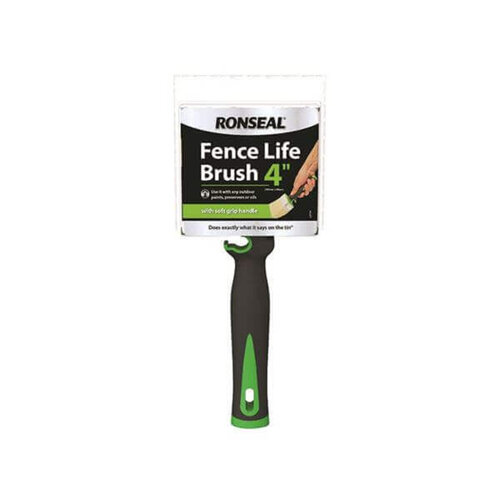
Ronseal Fence Life Brush
Designed for sheds and fences, with clip to secure onto tubs
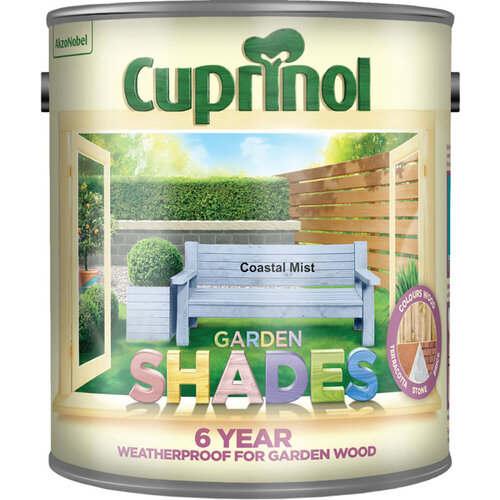
Cuprinol Garden Shades Exterior Paint 2.5L - Coastal Mist
Cuprinol Garden Shades exterior matt paint in Coastal Mist (blue), 2.5 litres.
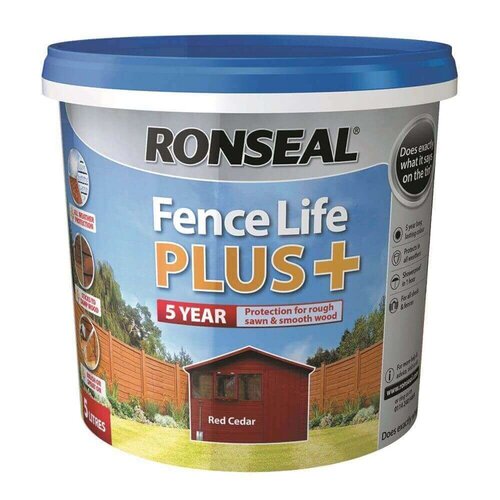
Ronseal Fence Life Plus - 5L Red Cedar
Exterior wood paint, 5L Red Cedar, showerproof in 1 hour, lasts up to 5 years
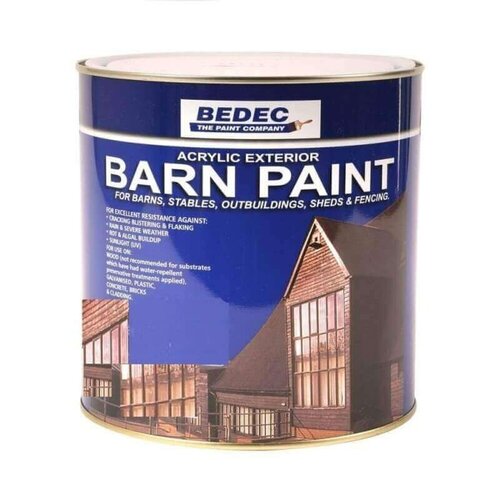
Bedec Barn Paint Semi Gloss - 2.5L French Grey
Bedec Barn Paint, Semi-Gloss, French Grey, 2.5L
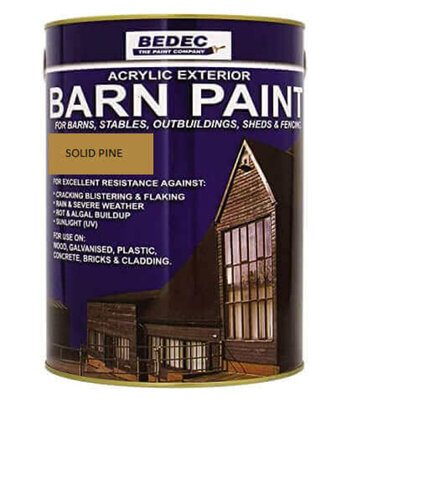
Bedec Barn Paint Semi Gloss - 5L Solid Pine
5L semi-gloss barn paint in Solid Pine colour
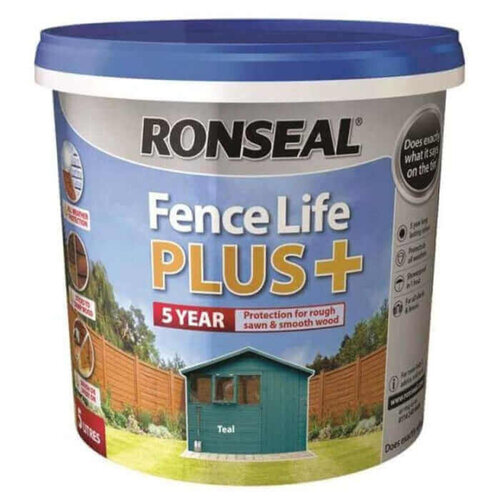
Ronseal Fence Life Plus - 5L Teal
Teal 5L fence and shed paint, showerproof in 1 hour, colour lasts up to 5 years.
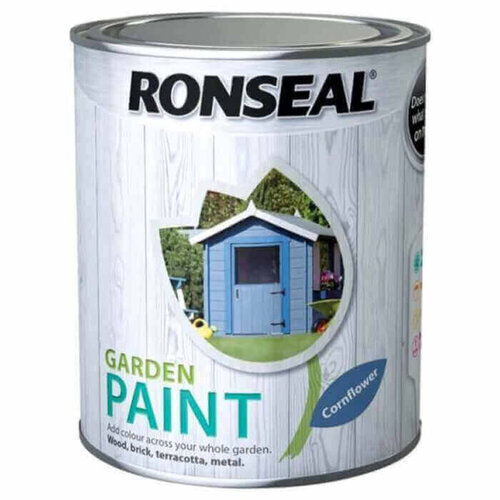
Ronseal Garden Paint - 750ml Cornflower
750ml Cornflower garden paint, 10 year wood colour protection, rainproof in 1 ho…
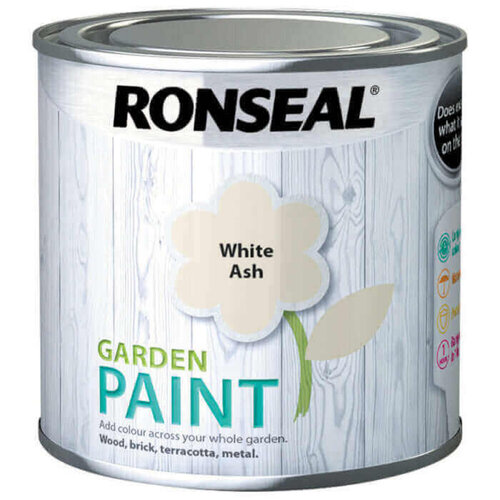
Ronseal Garden Paint - 750ml White Ash
750ml White Ash garden paint with 10-year colour protection
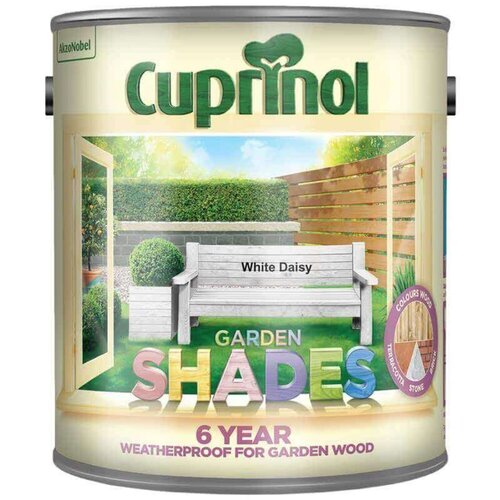
Cuprinol Garden Shades Exterior Paint 2.5L - White Daisy
Cuprinol Garden Shades exterior matt paint in White Daisy, 2.5 litres.
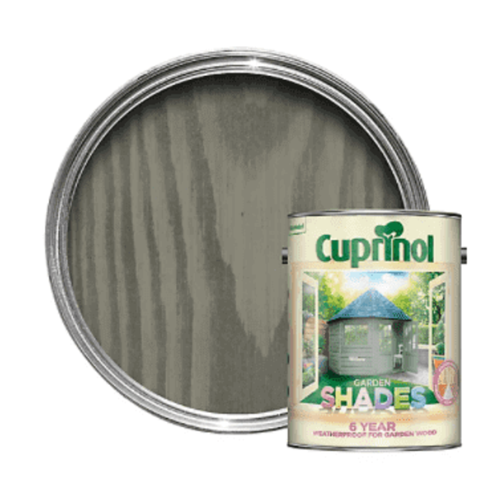
Cuprinol Garden Shades Exterior Paint 5L - Willow
Exterior matt paint in Willow for wood, brick and stone
For the Trade
Start with the timber and the finish the job needs, then narrow it by how much weather the surface takes and how often the client wants it back. On exposed runs, fence and shed paint is usually chosen when you want a more opaque finish and less fuss on colour matching. Fence stain suits jobs where you want the grain to stay visible and the coating to sit lighter on the board. Shed paint often gets picked for older panels that need a cleaner look. On sound timber, a stain can be the better call if you do not want a heavy film building up. The call-back jobs are usually the ones where the finish was chosen for looks alone, not for the condition of the timber.
Popular Fence & Shed Paint Formats
The first split is usually between a solid finish and something that leaves more of the grain showing. Shed paint suits tired panels and patchy timber because it covers more. You lose the natural look, but the finish is cleaner.
Fence stain is the lighter option when you want less build and a quicker refresh. It won’t hide rough boards as well, so it works best on timber that’s already in decent shape.
Fence and shed treatment sits lower again on finish. Use it when the job is more about preservative than paint. If you’re comparing the wider range, Exterior Paint & Woodcare keeps the choice in the right place.
Key Differences When Choosing
What changes the choice is the timber and what’s already on it. Fresh, bare boards usually pull harder, so coverage drops and you’ll often need a fuller first coat. Previously painted surfaces are more about adhesion and recoat timing than spread.
On repaired or patchy work, you want a system that won’t flash through, so the next coat matters as much as the paint itself. If the job is really about hard exterior masonry rather than timber, move over to Masonry Paint. If the grain needs to stay visible, Varnish is the other route, but it gives you a different finish and less hiding power than fence and shed paint.
Next Decisions After Choosing
Once you’ve picked the coating, the next call is what the timber needs before it sees paint. On bare or weathered boards, a primer or undercoat usually matters more than the topcoat. That’s where you stop the first coat disappearing into the surface.
If the boards are already sound and coated, check adhesion and the time between coats. Then choose the brushes and rollers to suit the finish. A rough fence face will chew through a cheap sleeve, and a decent brush saves you chasing drips on shed trims.
Related searches
Local availability for Fence & Shed Paint








