Varnish
Varnish is the one you pick when you want the grain to stay visible and need a clear film over the timber, not a painted finish or a colour change. Doors and furniture often take gloss or satin varnish, while matt is the usual call when you want less sheen and a bit more forgiveness on older wood. Water based varnish is easier to handle on site for smell and drying. Solvent based types still get picked where you want a tougher traditional finish.
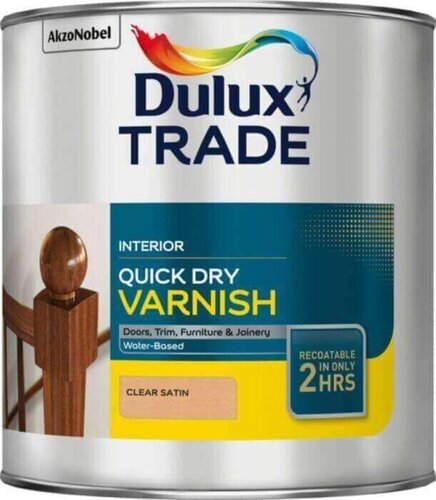
Dulux Trade Quick Dry Varnish Clear Satin - 2.5L
Dulux Trade Quick Dry Varnish, clear satin finish, 2.5L.
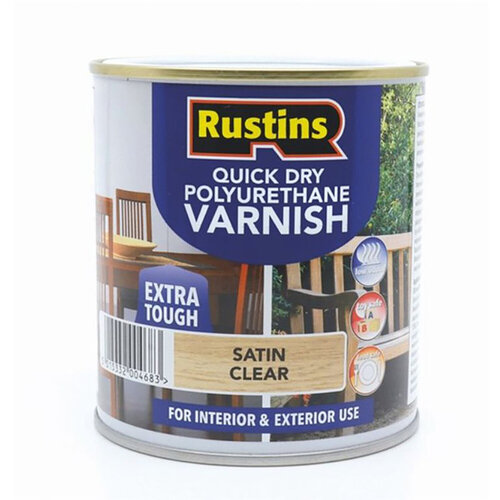
Rustins Quickdry Polyurethane Varnish - Satin Clear 500ml
Quick-dry satin clear polyurethane varnish for interior and exterior wood, 500ml
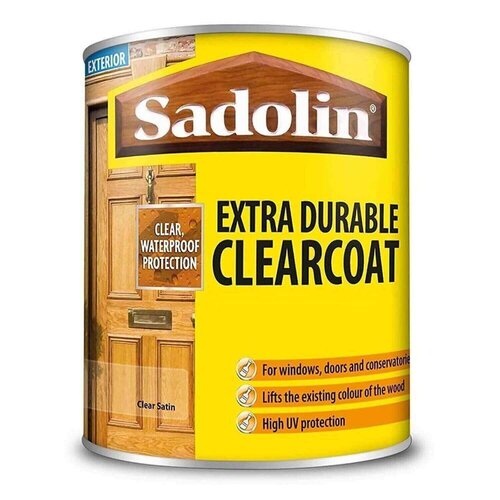
Sadolin Extra Clearcoat Satin - 1L Clear
Clear satin solvent-based wood protector for exterior timber, 1L
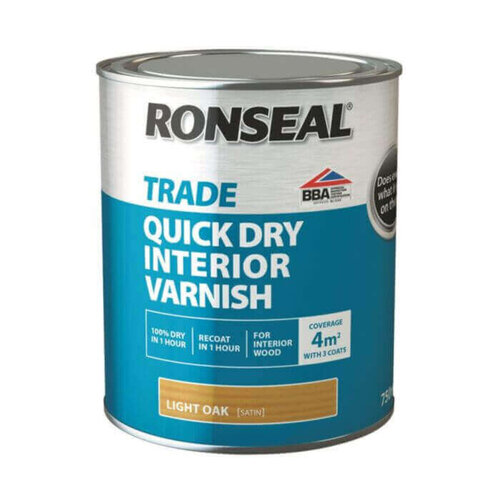
Ronseal Trade Quick Dry Interior Varnish - 750ml Light Oak
Ronseal Trade 750ml light oak interior varnish
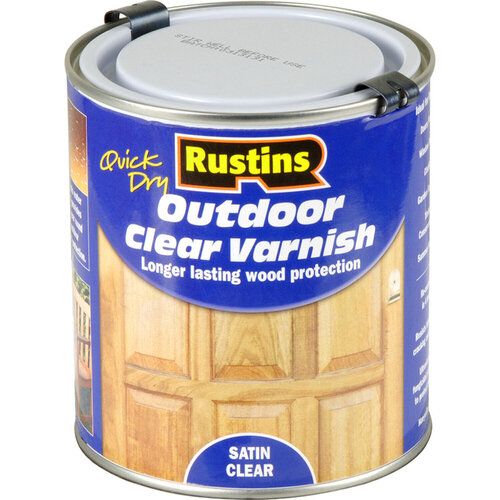
Rustins Quick Dry Outdoor Clear Varnish Satin - 500ml
Quick-drying clear satin varnish for exterior wood, 500ml
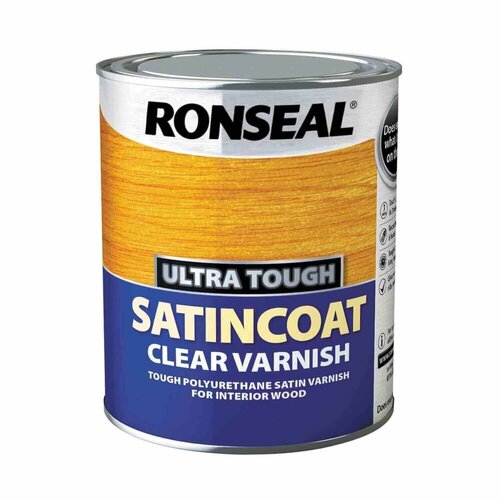
Ronseal Ultra Tough Satincoat Clear Varnish - 750ml
Clear satin interior wood varnish, 750ml, heat, water and scratch resistant
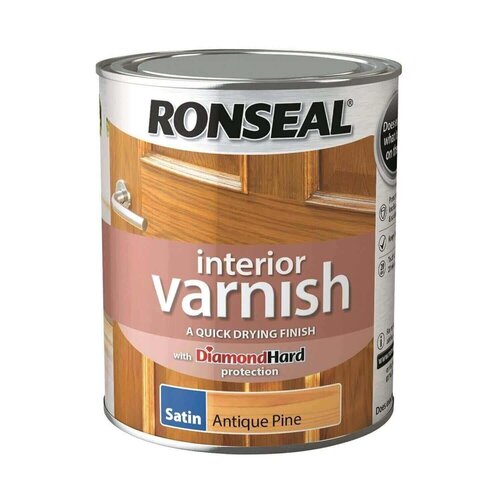
Ronseal Interior Varnish - 750ml Antique Pine Satin
Satin interior wood varnish in Antique Pine, 750ml, touch dry in 20 min
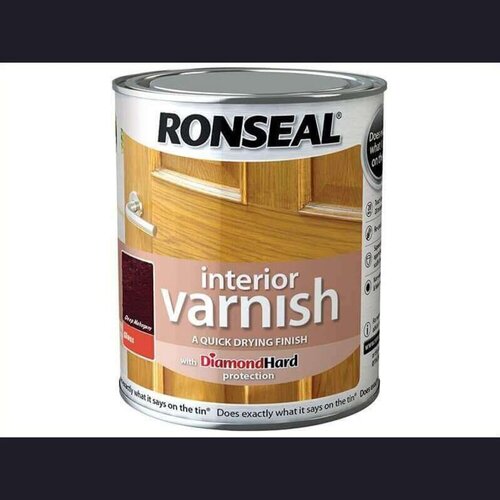
Ronseal Interior Varnish - 750ml deep mahogany gloss
Interior wood varnish, deep mahogany gloss, 750ml
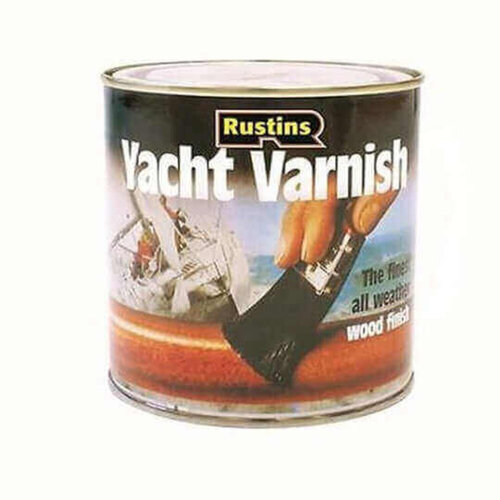
Rustins Yacht Varnish - 250ml
Rustins Yacht Varnish 250ml
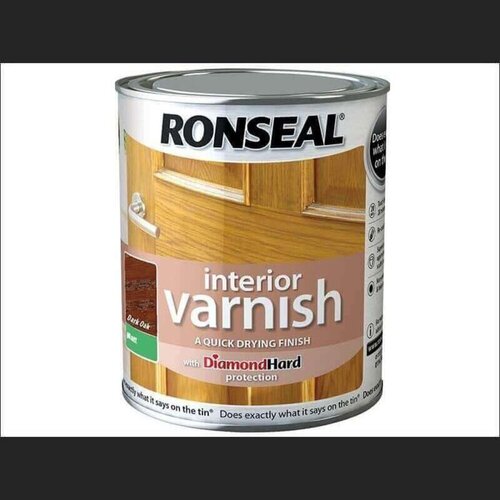
Ronseal Interior Varnish Matt - 750ml Dark Oak
Matt interior varnish, 750ml Dark Oak, with Diamond Hard protection
For the Trade
You usually narrow varnish by the job first, not the label. If the surface needs a harder wearing finish, you’ll look at floor varnish or a tougher polyurethane type. If the brief is a clear protective finish with less fuss on site, a water based varnish is often the cleaner call. Sheen matters too. Gloss shows more. Satin or matt will hide a bit more of the day-to-day marking. The one that causes grief is the wrong drying speed for the programme. Too quick and you lose working time. Too slow and you’re waiting around.
Varnish Options Compared
Start with the finish the spec wants, then work back from there. Clear varnish keeps the timber visible, so it’s the usual call when you need protection without changing the look. Gloss varnish gives the hardest shine and shows every mark, so use it where that finish is wanted.
Satin varnish sits in the middle. It cuts the shine without going flat, which makes it a steady choice when gloss feels too sharp. Matt varnish gives the least reflection. Floor varnish is the tougher pick for wear, but you give up some of the easier touch-up work you get with lighter interior varnish. If you’re comparing the wider range, Exterior Paint & Woodcare is the parent area to keep in view.
Choosing Materials and Size
You’re usually choosing between how it handles on site and how the timber needs to perform after. Water based varnish is the easier shift if you want quicker turnaround and less smell, but it can be less forgiving than a solvent based option.
If the timber takes more punishment, polyurethane varnish is often the call. It gives you a tougher finish, though it can look less subtle.
If you want the grain left visible with a cleaner look, clear wood finish is the one to reach for. If protection needs to start deeper in the timber, Wood Treatment is the better buy.
For outdoor furniture, Garden Furniture Paint is the other option when you want to change the colour as well as protect it.
Completing the Setup
Once you’ve picked the varnish, the next call is what else sits around it. On site, that usually means the adjacent finish, not another coat - trims, panels, screens or storage that need to sit cleanly against the timber without clashing on sheen or wear.
A clear varnish keeps the wood visible, but it won’t hide a rough surrounding finish. You still need to decide where a tougher painted surface or a separate wood treatment makes more sense. The jobs that get called back are usually the ones where the surrounding materials were chosen after the varnish, not before.
Related searches
Local availability for Varnish