Wood Oil
Wood oil comes down to the timber and how much grain you want left showing. Clear wood oil keeps the natural look. Teak oil and hardwood oil suit denser species that need more feed. Decking oil is the obvious call underfoot, but it is not the same choice as a general exterior wood oil for gates, furniture or cladding.
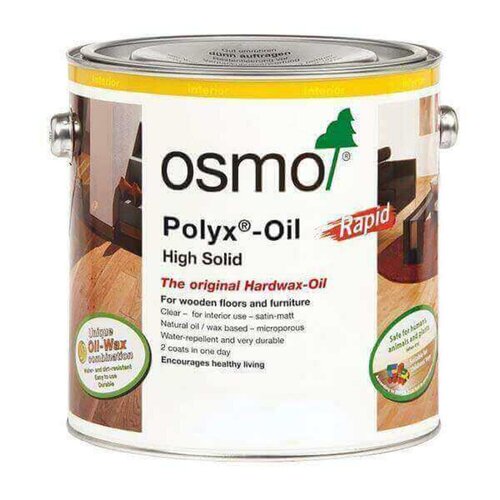
Osmo Polyx Hardwax Oil - 2.5L Clear Satin
Clear satin hardwax oil for wood, 2.5L, durable low-sheen protection.
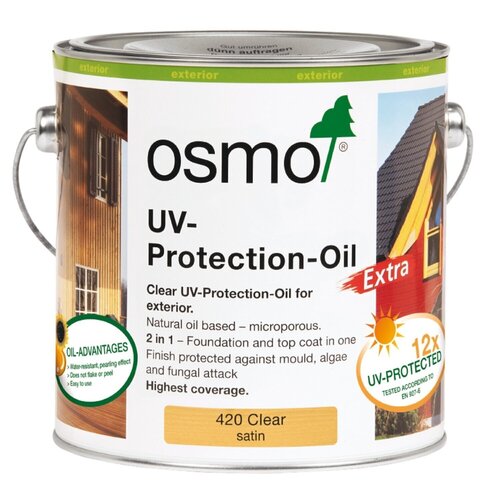
Osmo Exterior UV Protection Oil Extra - 3L 420 Clear Satin
UV-resistant wood oil for exterior vertical wood, 3 litres, clear satin.
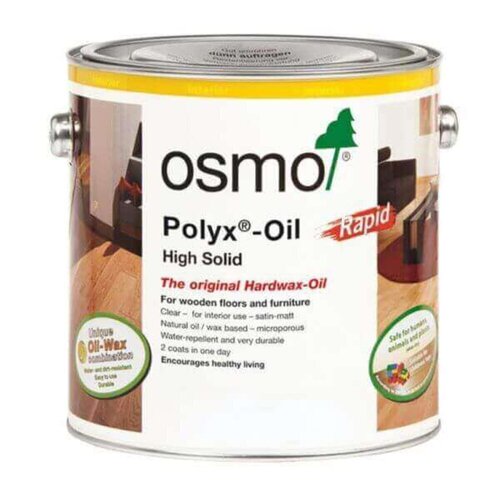
Osmo Polyx Hard Wax Oil Rapid Matt - 750ml Clear
Quick-drying matt clear hard wax oil for wood floors, 750ml
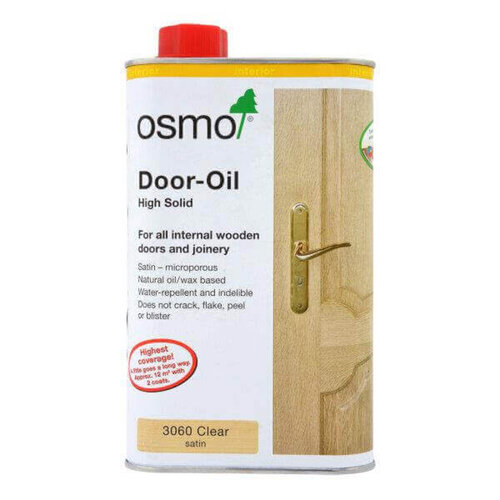
Osmo Door Oil Clear Satin - 1L
Clear satin door oil for wooden doors, 1 litre
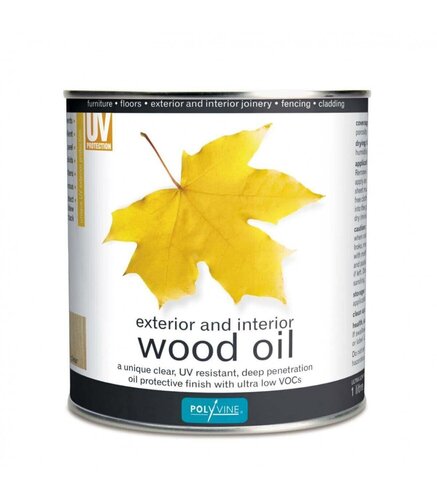
Polyvine Wood Oil Interior-Exterior - 1L
Polyvine wood oil for exterior use, 1L
Bartoline Teak Oil - 500ml trigger spray
Bartoline Teak Oil 500ml trigger spray
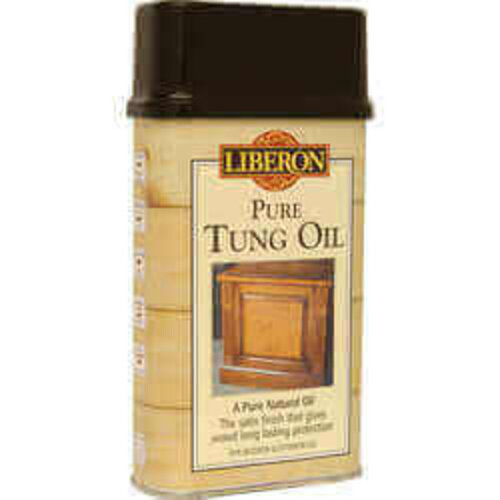
Pure Tung Oil - 1L
Libéron pure tung oil, 1 litre
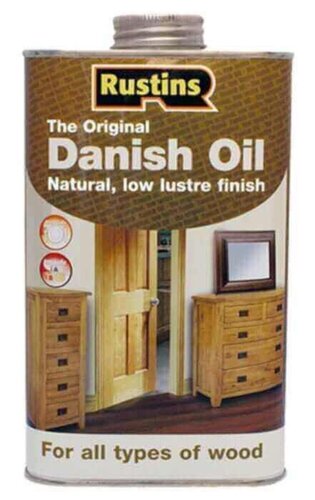
Rustins Danish Oil - 250ml
Danish oil for bare wood and joinery, 250ml, natural soft lustrous finish
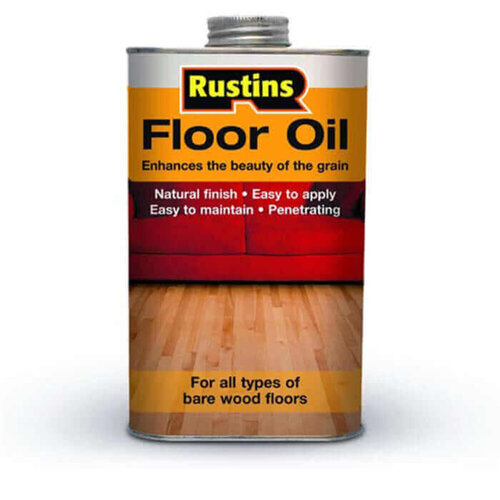
Rustins Floor Oil
Interior wood floor oil combining natural oils and resins for a durable, rich fi…
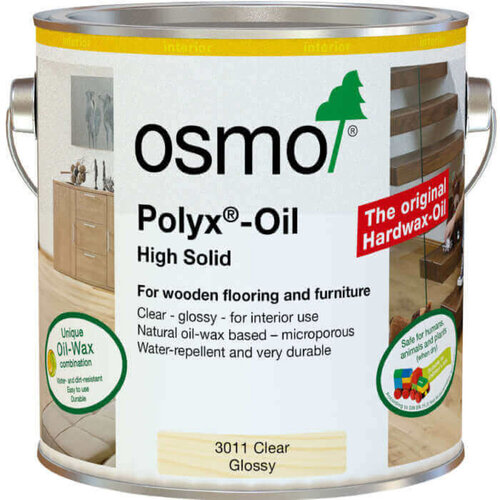
Osmo Polyx Oil - 2.5L Clear Glossy
Clear gloss hard wax oil for interior wood, 2.5 litres
For the Trade
Start with the timber and the finish the client expects, then narrow it by exposure and maintenance. On sheltered joinery, you can usually stay with a lighter wood oil if you want the grain to stay open. More exposed work needs a product that will take weathering without constant attention. Denser hardwoods often need a different approach from softer boards, and that is where the wrong tin gets left on the shelf. If the job is about keeping the natural look, clear wood oil is the usual ask. If the brief is more about protection than appearance, be stricter on the spec.
Wood Oil Types and Layouts
Hardwood oil suits dense timber. It sits a little longer and feeds the surface rather than flashing off straight away. That usually gives a steadier finish on tighter-grained stock, but it can take longer to pull in and any poor prep shows more.
Softwood oil is the lighter call for more open-grained timber. It soaks in faster, so it’s often the easier choice when you want coverage without building much film.
If you need the wider range, Exterior Paint & Woodcare keeps the rest of the exterior woodcare options in one place.
What to Check Before You Buy
The first check is what the timber will take and how much time you’ve got on the job. Quick dry wood oil suits tight programmes when you need the next coat or fix moving. You usually give up some working time for that.
On denser timber, exterior wood oil or teak oil generally gives a steadier finish. Clear wood oil keeps the grain visible if that’s what the job calls for. For furniture, Garden Furniture Paint makes more sense when you want opacity rather than an oiled look. Decking Paint & Stain is the better fit where the surface is underfoot and needs a different finish.
Useful Alongside Wood Oil
Once you’ve picked the wood oil, the next call is what else still needs finishing around it. If the job includes decking, use the matching decking oil. Move into decking paint and stain when the brief calls for a more opaque finish and a different wear pattern underfoot.
For outdoor seating and tables, garden furniture paint makes more sense when you’re changing colour rather than feeding the timber. The oil is only one part of the finish. The surrounding timber needs the same level of thought, or you end up with one fresh surface next to three tired ones.
Related searches
Local availability for Wood Oil