Wood Paint
Wood paint usually comes down to where it’s going, how hard it needs to wear, and how quickly you need the next coat on. Water-based products are easier to handle and clear up. Solvent-based options can suit jobs where you want a tougher film and don’t mind the slower turnaround. If the timber is sound and already prepared, you are choosing between finish, drying time and durability rather than just colour.
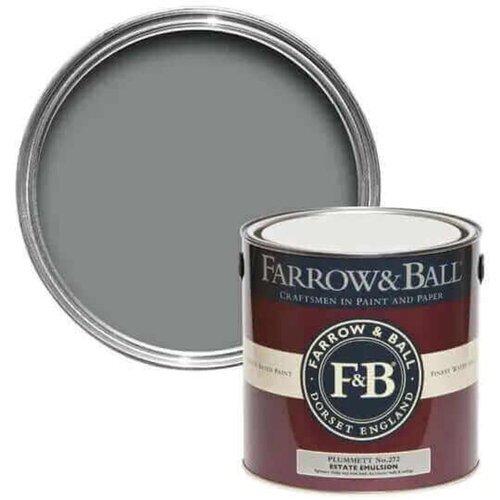
Farrow & Ball Exterior Eggshell - 2.5L Plummett
Farrow & Ball Exterior Eggshell, Plummett deep grey, 2.5L, for wood and metal
Farrow & Ball Exterior Eggshell - 750ml 74 Citron
Exterior eggshell paint in Citron (74), 750ml.
Farrow & Ball Exterior Eggshell Deep - 750ml
Farrow & Ball Exterior Eggshell Deep exterior paint, 750ml
Farrow & Ball Exterior Eggshell - 750ml Calke Green
750ml exterior eggshell paint in Calke Green
Farrow & Ball Exterior Eggshell - 750ml 37 Hay
Exterior eggshell paint in 37 Hay colour, 750ml
Farrow & Ball Exterior Eggshell - 750ml 36 Mahogany
Exterior eggshell paint in Mahogany, 750ml
Farrow & Ball Exterior Eggshell - 2.5L Tunsgate Green 250
Farrow & Ball exterior eggshell paint, Tunsgate Green, 2.5L.
Farrow & Ball Exterior Eggshell - 750ml 224 Minster Green
Exterior eggshell paint in Minster Green, 750ml
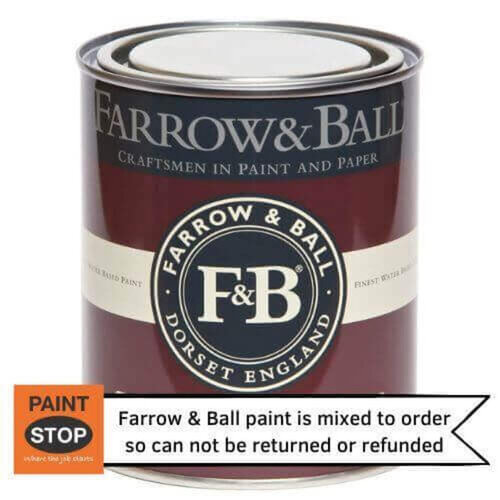
Farrow & Ball Exterior Eggshell - 750ml 234 Vert De Terre
Farrow & Ball Exterior Eggshell 750ml, Vert De Terre (234)
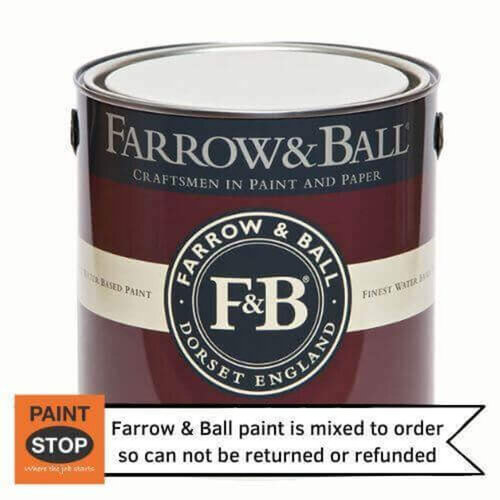
Farrow & Ball Exterior Eggshell - 2.5L 208 Ringwold Ground
Farrow & Ball Exterior Eggshell paint, 2.5L, 208 Ringwold Ground
For the Trade
You’re usually choosing wood paint on three things: how exposed the timber is, how hard the finish needs to work, and how much time you’ve got between coats. If the job needs turning round fast, quick dry wood paint helps. You lose some working time, though. For timber that takes more knocks or weather, weatherproof wood paint or durable wood paint is the better call, even if it is slower to handle. Water based wood paint is still the common pick when you want easier clean-up and less smell. Solvent based wood paint stays in the mix when you want a tougher feel and can live with the trade-off.
Wood Paint Types and Layouts
Most of the time, you’re choosing between drying speed, handling, and how much wear the timber will take. Water based wood paint is the one you usually reach for when you want easier clean-up and a quicker recoat. Solvent based wood paint still has a place when you need a harder, slower-setting finish and can allow for the extra smell and wait.
For trim and other visible work, a smoother finish usually matters more than heavy build. On rougher external timber, a tougher coating makes more sense if the surface is going to take knocks. So the right wood paint comes down to the job in front of you, not just the colour. Exterior Paint & Woodcare is the parent range if you’re narrowing the wider system.
What to Check Before You Buy
What you buy comes down to the timber and the finish you need to hold. Fresh, bare or repaired wood usually pulls more paint, so coverage and recoat time shift with the substrate. A previously painted surface behaves differently again.
For exposed work, weatherproof wood paint is the safer call. You give up some speed and ease of handling. Water based products are usually quicker to turn round and cleaner to work with. Solvent based options can still suit tougher jobs where you want a firmer film.
If the job is furniture rather than fixed joinery, look at Garden Furniture Paint. For boards under more foot traffic, Decking Paint & Stain is the nearer call.
Useful Alongside Wood Paint
Once you’ve picked the finish, the next call is what the timber needs before it sees paint. Bare or patchy wood usually needs a primer or undercoat to give you an even base. Skip that and the first coat can sink into the grain, so you end up chasing it.
On older work, the issue is often adhesion and patching rather than colour. That’s where the surrounding jobs come in. Decking paint and stain is the separate buy for boards that take wear. Garden furniture paint suits smaller pieces that need a harder, neater finish than general wood paint.
Related searches
Local availability for Wood Paint