Wood Stain
Pick wood stain when you want the grain to stay visible and the job is about colour and weathering, not a painted finish. Water-based wood stain usually suits quicker turnaround and easier clean-up. Solvent-based products can give you more working time and a deeper tone on some jobs. Clear and lighter shades are the usual call when you’re matching existing work. Darker colours hide patchy timber better, but they’ll show lap marks if the prep or application is uneven.
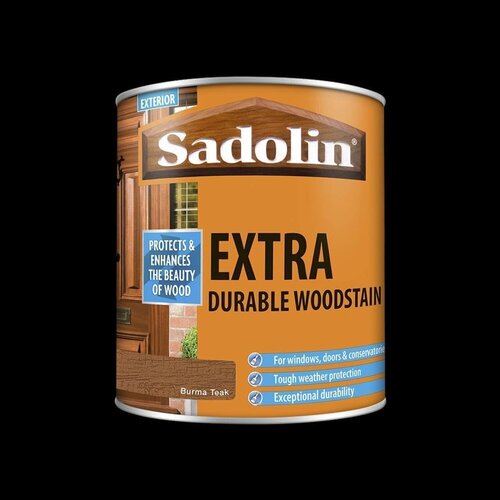
Sadolin Extra - 1L Burma Teak
Durable woodstain for joinery, 1L Burma Teak
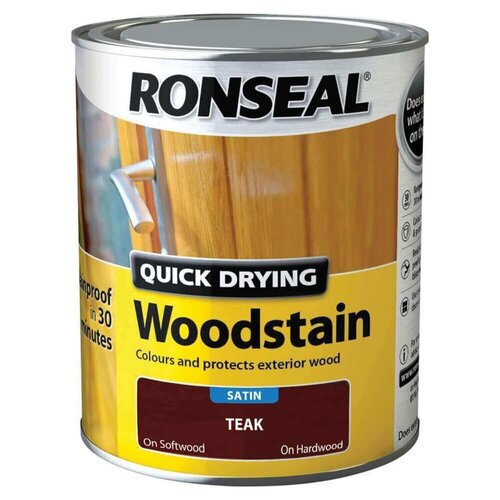
Ronseal Quick Drying Woodstain - 2.5L Teak satin
Ronseal Quick Drying Woodstain, 2.5L teak satin, rainproof in 30 mins
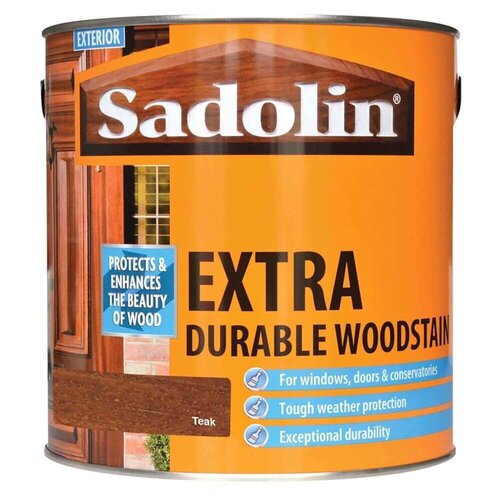
Sadolin Extra - 5L Teak
5 litre teak durable woodstain for softwood and hardwood joinery
Sadolin Extra Woodstain - 500ml Extra Light Oak
Durable woodstain for softwood and hardwood joinery, 500ml, Light Oak
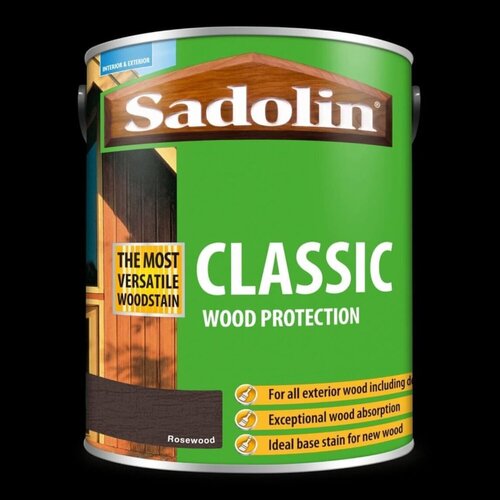
Sadolin Classic - 5L Rosewood
General-purpose wood stain for decking, cladding, fencing and joinery
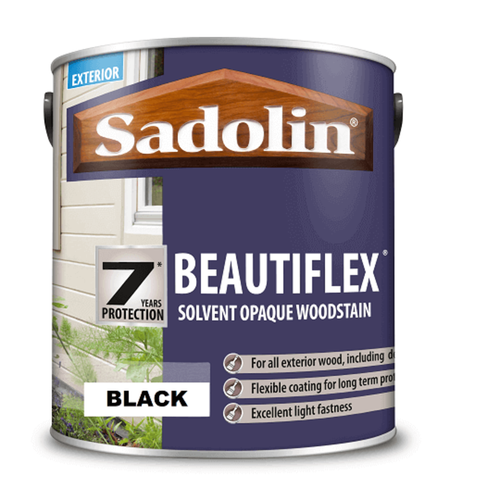
Sadolin SD Beautiflex - 2.5L Black
Sadolin SD Beautiflex 2.5L Black
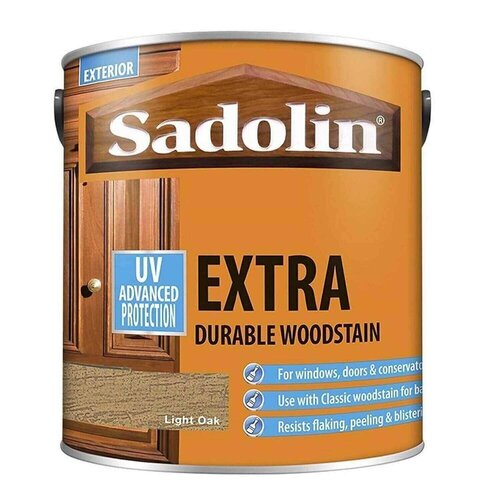
Sadolin Extra Light Oak - 2.5L
2.5L light oak woodstain for softwood and hardwood joinery
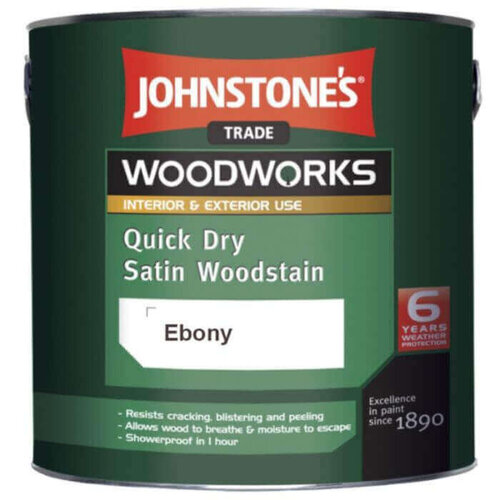
Johnstone's Trade Woodworks Quick Dry Satin Woodstain - 750ml Ebony
Johnstone's Trade Woodworks Quick Dry Satin Woodstain, 750ml Ebony
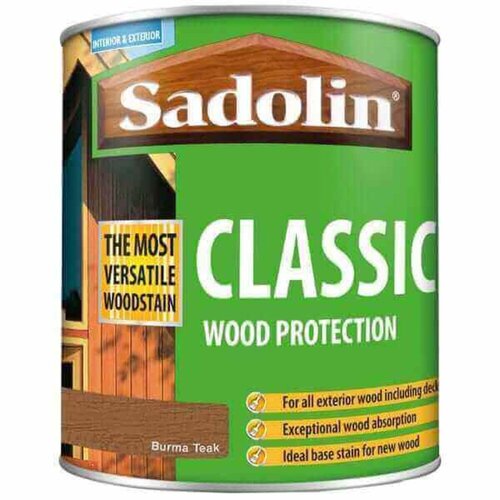
Sadolin Classic Burma Teak - 1L
Sadolin Classic woodstain, 1L, Burma Teak, for decking, cladding and fencing.
Sadolin Beautiflex Opaque Woodstain Colour Mixing - 2.5L
2.5L tinted opaque woodstain for custom colour mixing
For the Trade
Start with what the timber needs to do, not the colour chart. On exposed joinery or rougher exterior timber, you’re usually weighing up how much weathering the surface has to take and how much grain you want left showing. A wood stain that works on a fence can be the wrong call on a shed door if the timber is patchy or you need a more even finish. Most of the time, you’re choosing between quicker handling and more depth of colour. More body can mean less forgiveness on tired timber.
Wood Stain Options Compared
If you need the grain to stay visible, wood stain is the one you reach for. If you want a heavier colour change or a painted look, you need a different finish.
Water based wood stain usually keeps the job moving. It suits quick turnaround work and smaller runs where you want less waiting between coats.
Slower-drying stain gives you more working time. That helps on awkward areas and larger spans, where you need a bit more control to keep the colour even.
Clear and lighter shades are the usual pick when you’re matching existing work. Darker tones help when the timber is patchy or you need more cover.
If you’re working across the rest of the range, Exterior Paint & Woodcare is the parent hub.
Choosing Materials and Size
The first question is what the timber is doing and how hard it gets worked. A wood stain for fences usually needs to cover rough, weathered boards without going patchy. A wood stain for sheds is more about even colour and easier upkeep across larger flat runs.
For garden furniture, you’re usually weighing handling and finish together. Garden Furniture Paint comes into the conversation when you want a more opaque result than an exterior wood stain will give. On decking, Decking Paint & Stain is the closer call, because the surface takes more wear and the wrong finish shows it quickly.
Completing the Setup
Once you’ve settled the finish, the next call is what else is going on around it. If the job includes panels, screens or storage, sort those finishes before you start so you’re not trying to match a fresh stain to something already on site.
That’s where wood stain sits alongside the rest of the exterior scheme. Keep the timber work consistent, then move on to the adjacent finishes that need a different product. Water based wood stain is often the cleaner pick when turnaround matters. A darker tone can help hide uneven timber on older work.
Related searches
Local availability for Wood Stain