Wood Treatment
Wood treatment comes down to what you need to stop and how exposed the timber is. For rot protection on external joinery or rough-sawn timber, a wood preservative is usually the first pick. Clear products keep the existing look. Coloured options give more coverage. Solvent-based versions tend to suit stubborn, weathered timber better, while water-based types are easier to handle on site.
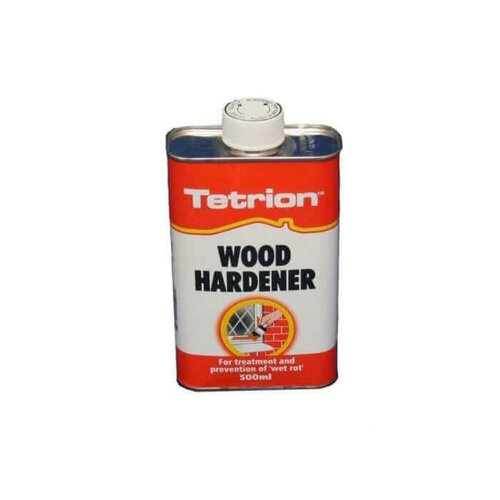
Tetrion Wood Rot Hardener - 500ml
500ml wood rot hardener strengthens and repairs decayed wood
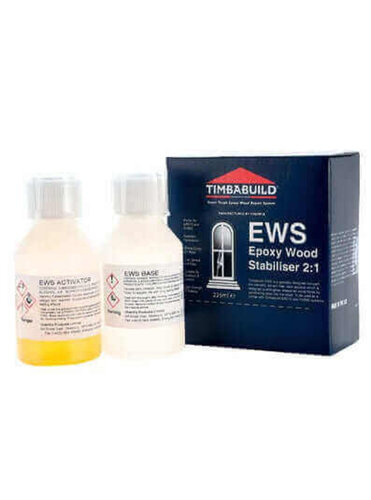
Timbabuild EWS Epoxy Wood Stabiliser - 225ml
Solvent-free two-part epoxy wood stabiliser for reinforcing weakened wood
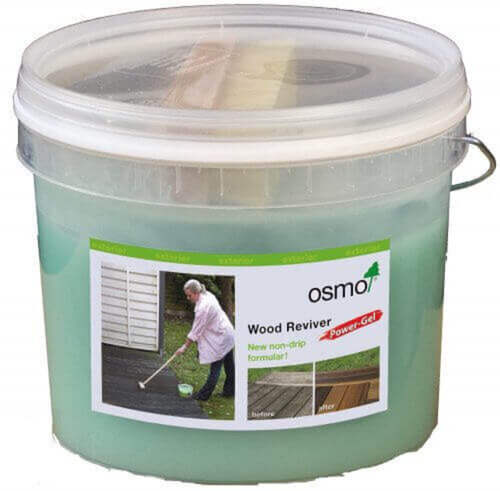
Osmo Wood Reviver Power Gel
Osmo Wood Reviver Power Gel
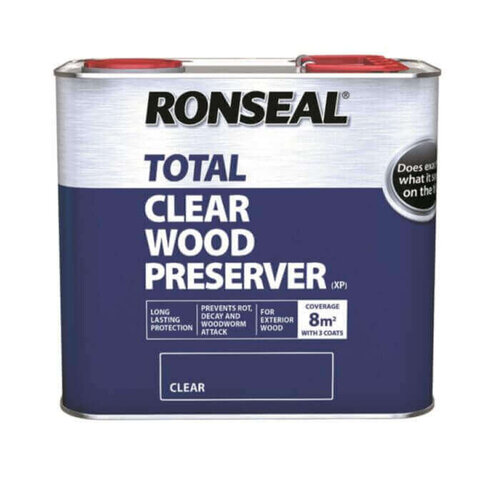
Ronseal Trade Total Wood Preserver - 2.5L Clear
2.5L clear solvent-based wood preserver for exterior wood
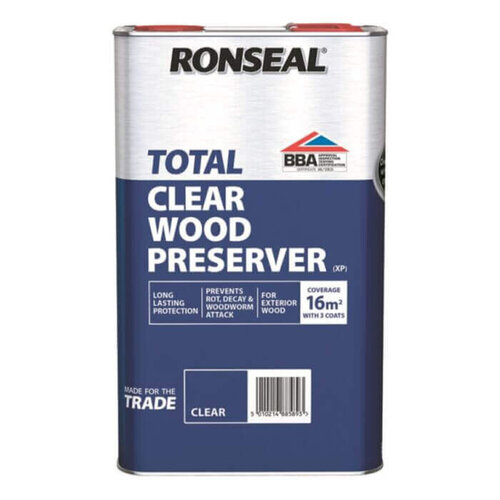
Ronseal Trade Total Wood Preserver - 5L Clear
Clear solvent-based wood preserver for sheds and fences, 5 litres
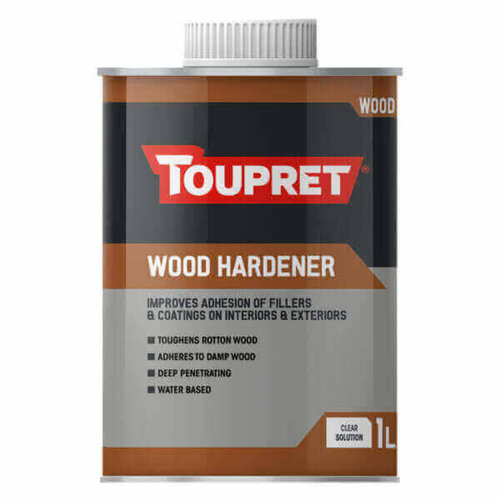
Toupret Wood Hardener - 1L
1 litre wood hardener for restoration and strengthening
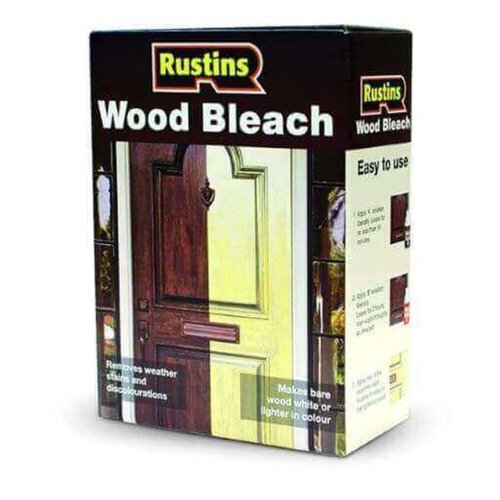
Rustins Wood Bleach A&B Set - 500ml/450ml
Two-part wood bleach set with 500ml and 450ml solutions
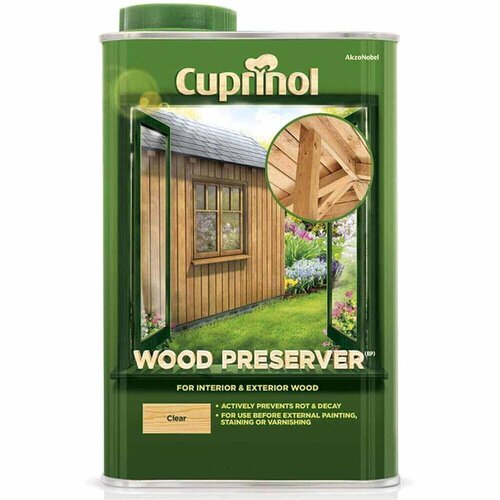
Cuprinol Wood Preserver - 5L Clear
Cuprinol clear wood preserver 5L protects against weather and rot.
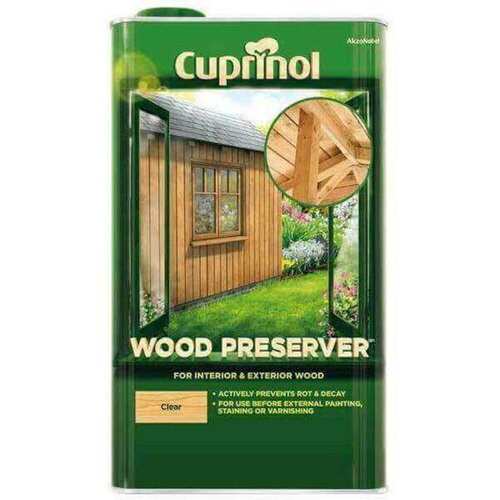
Cuprinol Wood Preserver - Clear
Clear water-based wood preservative for interior and exterior use
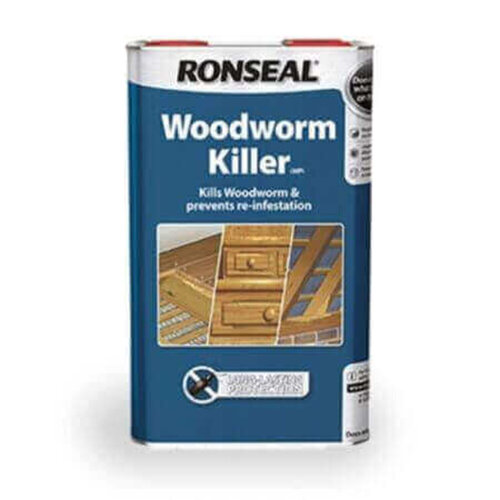
Ronseal Woodworm Killer - 5L
5L woodworm killer for interior wood, kills woodworm, eggs and larvae
For the Trade
Start with what the timber is already dealing with, then decide how much protection you need before you worry about finish. Exposed joinery needs a different call from sound internal timber, and the wrong choice is often made by chasing colour or coverage first. If the job needs a wood preservative, match it to the exposure and the condition of the timber, not just the quickest tin to hand. For a straightforward spec, compare access, layout and how much of the timber is already compromised: a sound surface may only need protection, while damaged sections need a treatment that deals with the problem before you decorate over it. The jobs that get queried later are usually the ones where the spec was vague at the counter.
Types of Wood Treatment
For most jobs, you choose wood treatment by the problem you need to stop, not by the timber itself.
Clear wood treatment suits work where you want protection without changing the finish. Coloured wood treatment is the better call when you also need to mark or tidy the surface.
Wood preservative is the usual choice for exposed external timber where moisture and fungal attack are the concern. Solvent based wood treatment is often picked when you want deeper penetration and more staying power, but it can be slower to handle.
For a quick steer across the rest of Exterior Paint & Woodcare, that usually narrows the job down fast.
Selection Factors for Wood Treatment
If you’re choosing wood treatment, start with what the timber needs. A wood preservative or timber preservative is the usual call on sound timber when you want to stop decay and fungal issues before they start. A wood preserver does the same job. It’s often just the term different merchants and manufacturers use.
Timber treatment is the broader ask when you’re covering mixed external timber. A solvent based wood treatment is often picked where penetration matters more than quick clean-up. If the surface is already failing, you may need Wood Paint or Wood Stain instead. Treatment won’t hide a tired finish.
Finish the Room
Once you’ve picked the wood treatment, the next call is usually what sits around it. On a bigger external scheme, the finish often comes next rather than a different treatment. That might mean wood paint where you need an opaque coat, or wood stain where the grain still needs to show.
That’s where jobs go wrong. The treatment is sound, but the finish above it is wrong for the exposure or the spec. Keep the treatment and topcoat matched, and you avoid stripping it back and starting again.
Related searches
Local availability for Wood Treatment