Wood Wax
Wood wax is the one you reach for when you want a softer finish and some surface feed rather than a hard film. Clear wood wax keeps the timber close to what is already there. Coloured wood wax suits jobs where you need to warm up tired grain or even out patchy areas. If the finish needs to be harder and more sealed, varnish is the better fit.
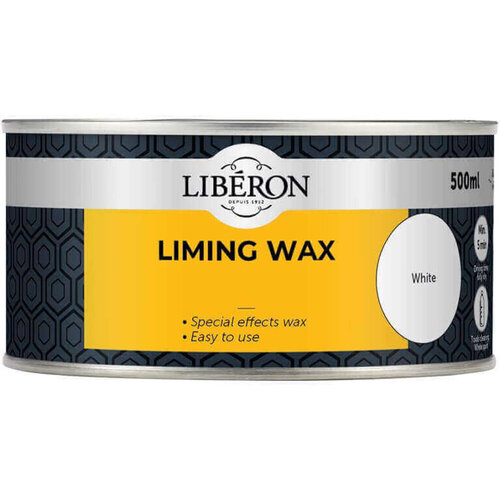
Liberon Liming Wax - 500ml
500ml liming wax for creating a limed effect on wood.
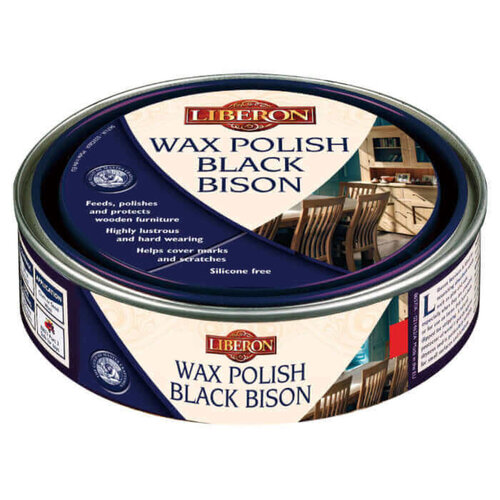
Liberon Wax Polish Black Bison (Paste) - 500ml georgian mahogany
500ml wax polish in Georgian mahogany; nourishes and protects all wood types
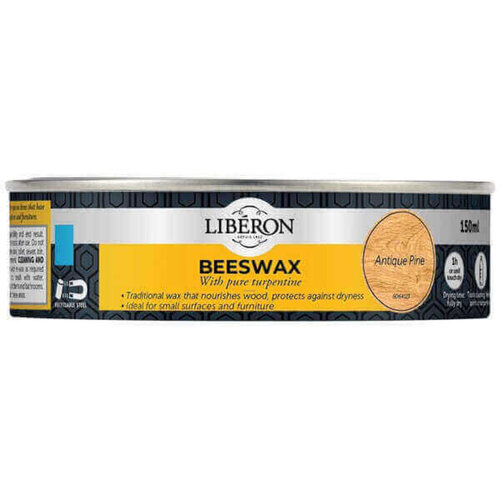
Liberon Beeswax Paste with Pure Turpentine - 500ml Antique Pine
Beeswax paste with pure turpentine, Antique Pine, 500ml
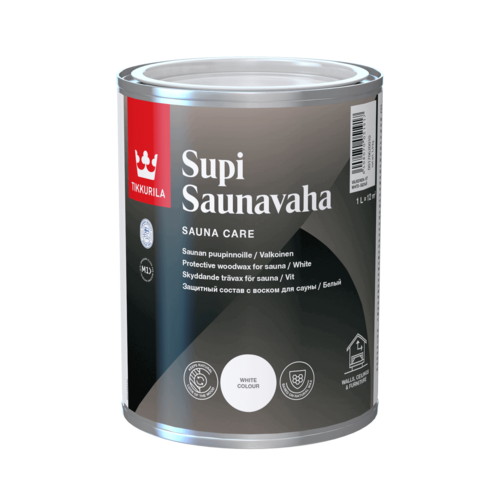
Tikkurila Supi Sauna Wax - 1L White
Sauna wax for wooden surfaces, 1L white
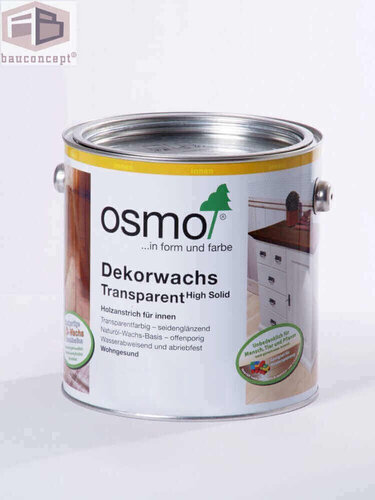
Osmo Decorative Wax Transparent - 2.5L 3161 Ebony
Transparent ebony wood finish combining natural oils and waxes, satin-gloss, 2.5…
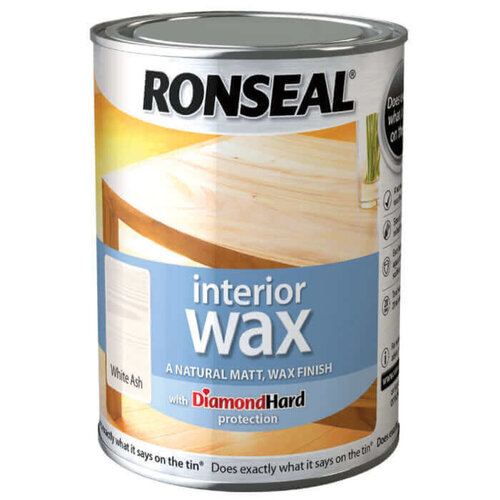
Ronseal Interior Wax - 750ml White Ash
750ml White Ash interior wood wax, touch dry in 20 minutes
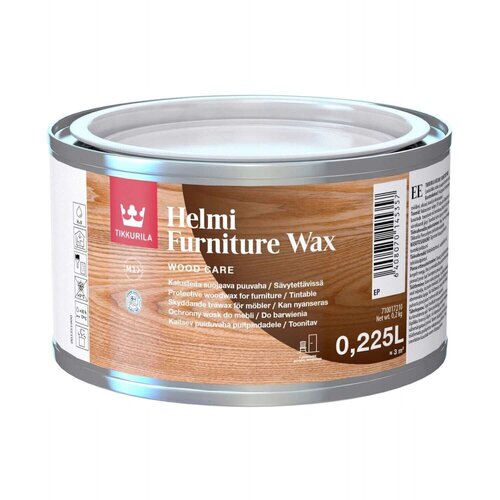
Tikkurila Helmi Furniture Wax - 0.33L White
Tikkurila Helmi white furniture wax, 0.33 litres
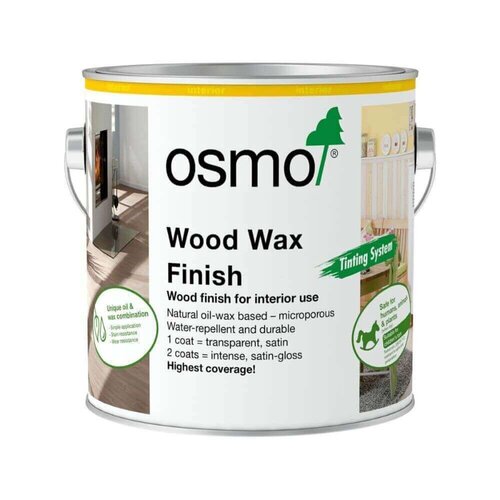
Osmo Wood Wax Finish Base - 125ml White Oak Satin 2960
125ml satin interior wood wax finish in White Oak
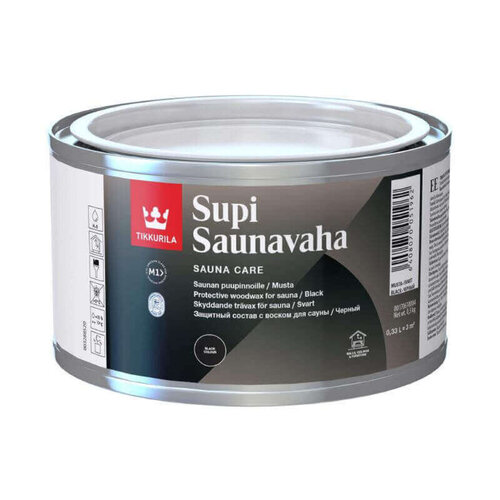
Tikkurila Supi Sauna Wax - Wax for Wooden Sauna Surfaces (Contains Natural Wax) …
Black sauna wax for wooden surfaces, providing a natural matt finish, 0.33L
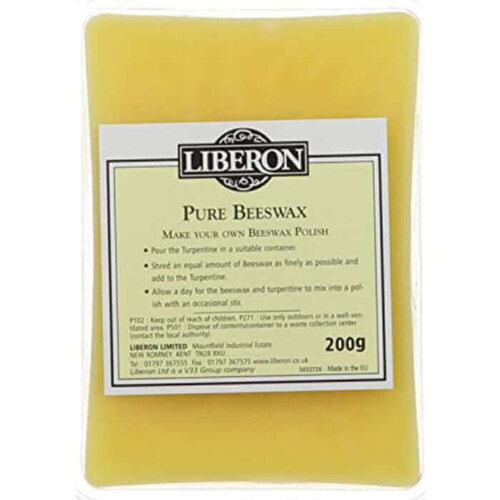
Liberon Purified Beeswax
100% pure beeswax for polishing furniture and lubricating drawers
For the Trade
You usually narrow wood wax by the finish you need and how much colour control the job calls for. Clear wood wax keeps the timber close to its current look. Coloured wood wax comes in when you need to warm the grain or even out patchy areas. The usual mistake is taking a wax that looks right in the tin, then finding it shifts the tone more than expected. If the brief calls for a simple furniture wax or a more traditional beeswax polish, check sheen and colour first, then match the product to the wood.
Wood Wax Types and Layouts
Furniture wax suits cabinets, tables and other interior pieces when you want a low-build finish and straightforward maintenance. It gives you a softer result than a heavier coating, so it works well where the timber already looks sound and just needs tidying up.
Furniture wax polish is the better call when you need a quicker sheen and a more obvious final rub-up. It replaces a slower, more hands-on finish, but you give up some of the control that comes with a plain wax.
Clear wood wax keeps the timber close to how it already looks. Coloured wood wax is the better fit when you need to warm the grain or blend a tired patch.
What to Check Before You Buy
Start with the finish you need and how much handling the piece will take. Beeswax wood polish gives a softer, more traditional finish. It suits lighter interior work where you may want to rework the surface later. The trade-off is simple: it can mark sooner than a harder finish.
Clear wood wax keeps the timber looking much the same. Use a wood wax polish with colour if you need to even out tired grain or soften patchy areas. That gives you more visual correction, but it also changes the look of the timber. For exterior jobs, I’d usually point you to Decking Treatment or Fence & Shed Paint instead. Wax on its own won’t stand up the same way.
Useful Alongside Wood Wax
Once you’ve picked wood wax, the next call is what else is being finished around it. If the job includes panels, screens or built-in storage, sort those finishes before you start. It is easier than trying to match sheen or colour after the fact.
A clear wood wax will sit differently to a coloured wood wax once the rest of the timberwork is in. If the scheme runs into decking treatment or fence and shed paint, keep the finish family consistent. Otherwise one part of the job can look newer than the rest.
Related searches
Local availability for Wood Wax