Exterior Paint & Woodcare
Exterior paint comes down to the substrate, the finish you need, and how much time you have between coats. If the job needs a quicker turnaround, quick dry exterior paint can help, but you usually give up some working time and a bit of forgiveness in awkward weather. For exposed elevations, weatherproof exterior paint is the one to reach for. Trade exterior paint suits a more straightforward spec and decent coverage without overbuying. Exterior paint colours matter too, but on site the bigger issue is matching the system to the surface and the programme.
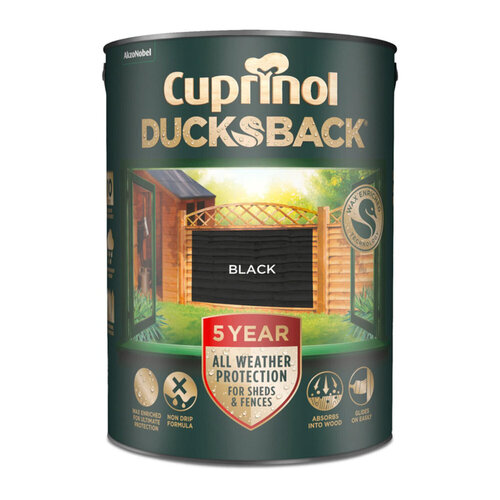
Cuprinol Ducksback - 5L Black
Black 5L fence and shed paint, weatherproofs for up to 5 years
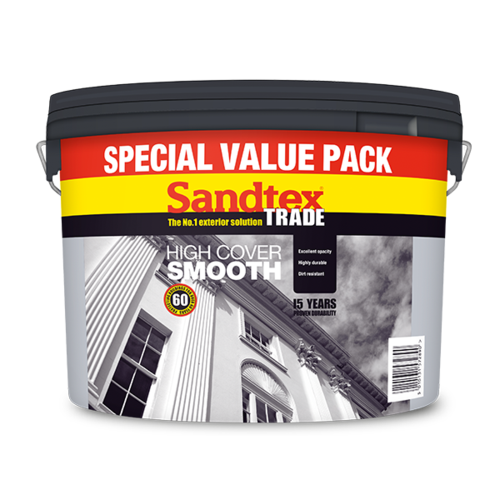
Sandtex Trade High Cover Smooth Masonry Paint - 7.5L Brilliant White
Water based, opaque exterior smooth masonry paint for professional use on render…
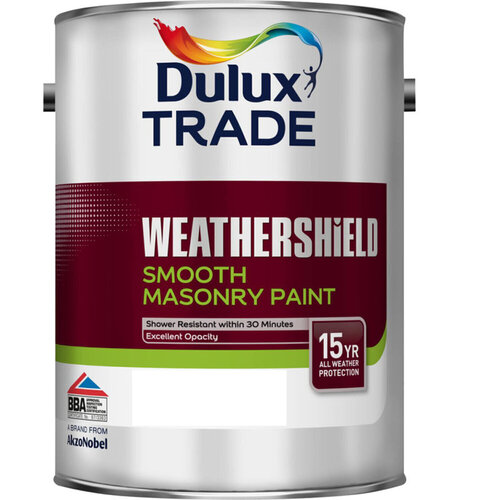
Dulux Trade Weathershield Smooth Masonry Paint - 5L Pure Brilliant White
Exterior smooth masonry paint with 15-year weather protection in Pure Brilliant …
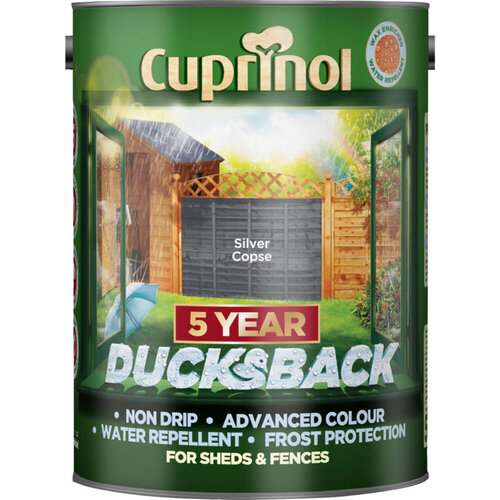
Cuprinol Ducksback Shed & Fence Treatment 5L - Silver Copse
Silver copse wood stain for sheds and fences, with 5-year weatherproof protectio…
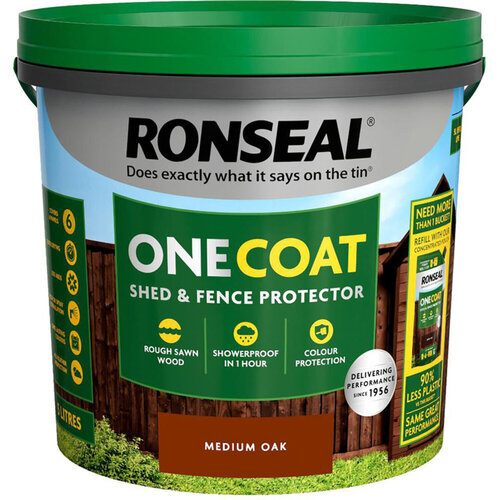
Ronseal One Coat Shed & Fence Protector 5L - Medium Oak
One coat exterior shed and fence protector in Medium Oak, 5 litres.
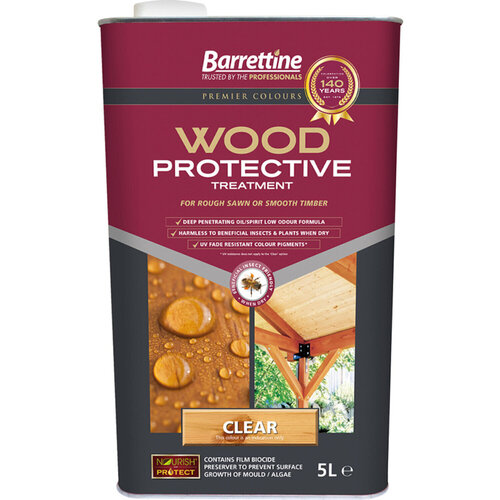
Barrettine Wood Protective Treatment 5L - Clear
Clear exterior wood treatment for sheds, fences and other timber structures, 5 l…
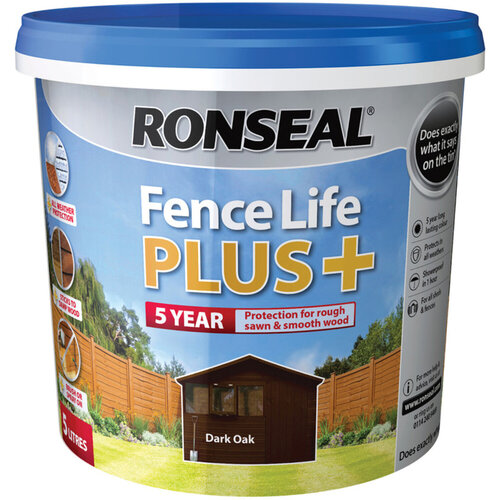
Ronseal Fence Life Plus 5L - Ronseal Fence Life Plus Dark Oak 5L
Exterior Dark Oak matt wood paint for fences and sheds, 5L
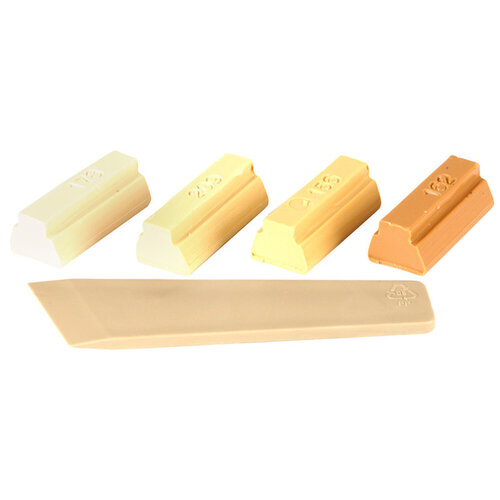
Briwax Wax Repair Sticks - Light
Light wax repair sticks for filling small dents and chips in wooden furniture
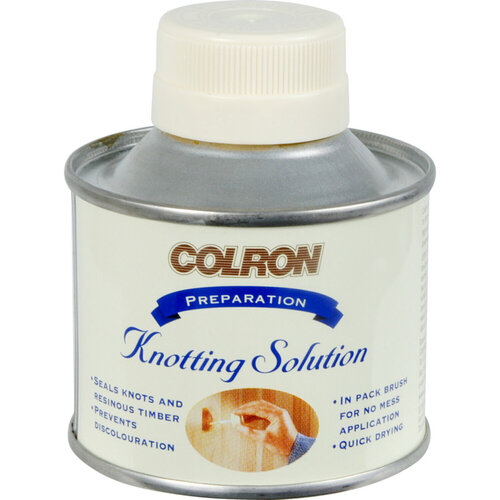
Colron Knotting Solution - 125ml
Seals and stabilises resinous knots on interior wood, 125 millilitres with built…
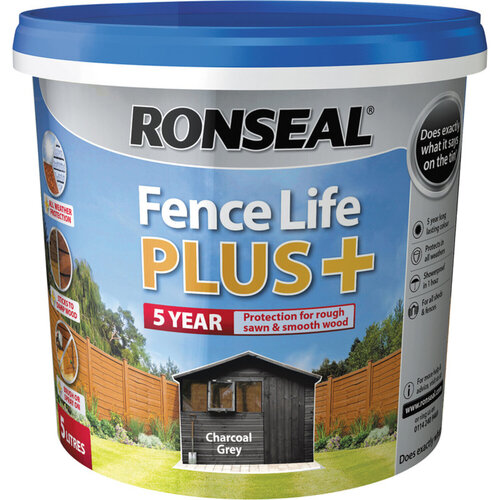
Ronseal Fence Life Plus 5L - Ronseal Fence Life Plus Charcoal Grey 5L
Exterior Charcoal Grey matt wood paint for fences and sheds, 5L
For the Trade
Start with how exposed the job is and how much time you’ve got between coats. That usually decides more than the colour card does. A decent exterior paint for a sheltered porch is not always the same pick as one going on a wall that takes full weather. A quicker drying system can help when you’re trying to keep a programme moving. If you’re buying through Painting & Decorating, keep the spec tight to the surface and the finish the client actually wants. That way you are not paying for performance you will not use. The wrong call usually shows up as extra coats, slow turnaround, or a finish that looks fine on day one but does not hold up.
Decking Paint & Stain
Decking paint and stain is where you balance grip, appearance and how much maintenance the customer will tolerate. Paint gives a more even finish and usually covers tired timber faster, but it can be less forgiving if the boards are already weathered or moving.
Stain suits jobs where you want the grain to stay visible and the finish to wear back more naturally. Coverage, recoat time and board condition matter more here than on most exterior paint jobs. A rough, greyed deck will show you quickly which system will hold up.
Decking Treatment
Decking Treatment is the one you reach for when the boards need protection rather than a coloured finish. It suits timber that is still sound but starting to dry out or show weathering.
If the job calls for appearance and coverage, that is a different route. The choice is usually between something that soaks in and something that sits on top. The soak-in option is easier to keep tidy on moving timber. Heavier coatings can be fussier on boards that are already tired or patchy.
Fence & Shed Paint
For sheds and fences, you’re usually weighing up coverage, how often it needs going back over, and how much the timber is likely to move. A heavier exterior paint gives a more even finish and can smarten tired boards faster, but it is less forgiving on rough timber or boards that are still shifting.
A thinner system is often easier to keep right on weathered panels, though it will not always hide as much. Recoat time matters too when you have a run of panels to get through. If you are narrowing it down, Fence & Shed Paint is the narrower buy in this range.
Masonry Paint
Masonry Paint is the pick for brick, render or blockwork when you want the finish to suit the wall, not the timber. The main call is coverage, colour retention and how much movement or patchiness you need to hide.
On older walls, a product with more body usually saves you grief on the finish. Quicker-drying options help when time is tight, but they give you less room to work it out. Masonry Paint is the narrower buy here. If the spec is for timber, you’d be looking elsewhere.
Varnish
Varnish is the one you pick when the job is about sealing and finishing timber, not changing the look of it. You usually go for it when you want a harder surface and a clearer finish.
Wood oil or wood stain make more sense if you need more soak-in protection or a different colour effect.
The trade-off is simple. Varnish leaves a more defined film, so it shows poor prep and timber movement more than a softer system. If the surface is sound and you want a cleaner finish, it’s the one to use.
Wood Dye
Wood dye is the one you pick when you need to change the colour without building a heavy film on the timber. The grain still shows through, so it works differently from a coating that sits on top.
The main question is how much colour change you need, and how even the timber is to start with. Uneven boards will show through more than most expect. If you need a stronger, more opaque finish, another exterior paint option is usually the better shout.
Selection Factors for Exterior Paint & Woodcare
You narrow exterior paint by what it’s going onto first, then by how much body and drying time the job can take. Bare or repaired substrate usually needs a different system to a previously painted surface, because coverage and recoat time change once the surface starts pulling product in.
On new work, opacity matters most. You need enough cover to get the job moving without loading on extra coats. On sound painted timber, the focus shifts to adhesion and finish build. If the programme is tight, quick dry exterior paint helps, but you give up some working time. For tools and application gear, Decorating Tools & Equipment is the other buy that affects how cleanly the system goes on.
Finish the Room
Once you’ve picked the coating, the next call is what the surface needs before it goes on. That usually means the right primer or undercoat, plus the prep products that suit the condition of the timber or masonry.
If the surface is sound and already coated, you may only need a light tidy-up. Chalky, patched or porous areas usually need more build and better sealing.
Sort the kit at the same time. A decent brush or roller affects finish and waste. The wrong one is where you start seeing drag, lap marks and call-backs.
Related searches
Local availability for Exterior Paint & Woodcare