Emulsion Paint
Matt emulsion paint is the usual pick for tired walls and ceilings because it hides minor marks well. Silk gives a tighter finish and wipes down more easily, but it will show more of what is underneath, so coverage and recoat time matter on patchy plaster or a busy refurb.
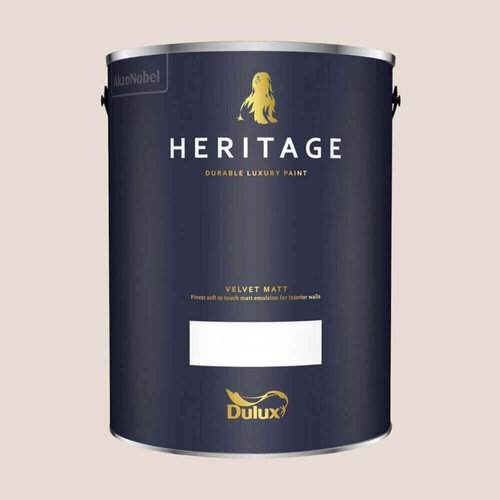
Dulux Heritage Matt Flax Seed - 5L
Premium matt emulsion paint in Flax Seed for walls and ceilings.
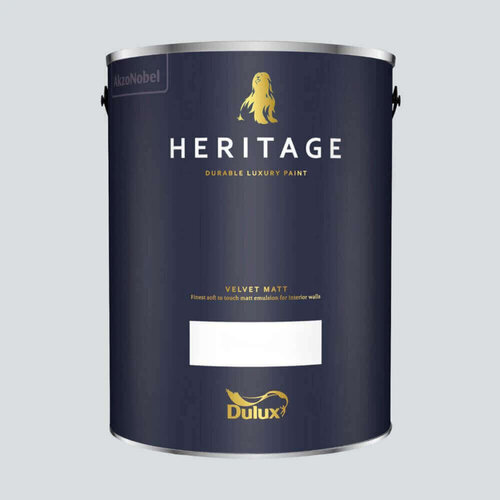
Dulux Heritage Matt - 5L Lead White
Dulux Heritage Matt emulsion for walls and ceilings, 5L Lead White
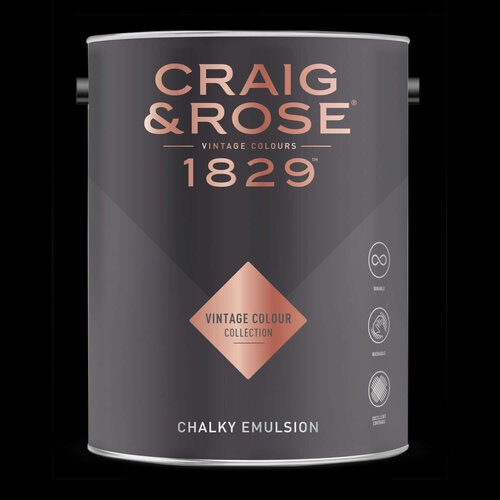
Craig & Rose 1829 Chalky Emulsion - 5L Jet Black
Jet Black chalky matt emulsion with a dead flat, velvet-like finish
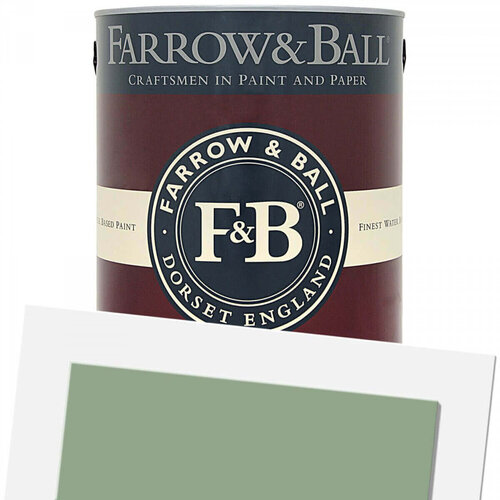
Farrow & Ball Modern Emulsion - 5L Breakfast Room Green 81
Farrow & Ball Modern Emulsion, Breakfast Room Green 81, 5 litres.
Johnstone's Covaplus Matt - 2.5L Sweet Lavender
Interior matt emulsion paint in Sweet Lavender, 2.5L.
Craig & Rose 1829 Chalky Emulsion - 50ml Ottilie
50ml sample of chalky emulsion in Ottilie from the heritage 1829 collection.
Dulux Trade Vinyl Matt - 2.5L Berry Smoothie
Dulux Trade Vinyl Matt paint in Berry Smoothie, 2.5L, 99% VOC free formulation
Teknos Futura Aqua 40 Colour Mixing - 2.7L
Teknos Futura Aqua 40 tinted colour mixing paint, 2.7L
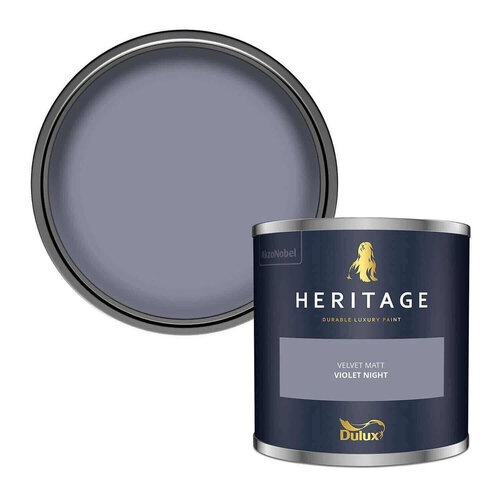
Dulux Heritage Tester - 125ml Violet Night
Dulux Heritage washable matt emulsion tester, violet night, 125ml
Crown Trade Vinyl Matt - 5L City Break
Crown Trade Vinyl Matt 5L in City Break – water-based matt emulsion for walls an…
For the Trade
You usually narrow emulsion paint by the finish the job needs, the wear level, and how much time you’ve got between coats. On a straight redec, trade emulsion with a matt finish is often the first pick because it hides patching and keeps the spec simple. If the walls need more wipe-down resistance, vinyl matt or silk makes more sense, though you lose a bit of forgiveness on the surface. White emulsion paint is still the default for ceilings and quick turnarounds. Coloured emulsion paint comes in when the finish is part of the brief, not an afterthought.
Emulsion Paint Types and Layouts
Matt emulsion paint is the usual pick when you want the flattest finish and less fuss over patching.
Silk emulsion paint suits walls that need a tougher wipe-down face. You give up some of the flat look, and the sheen will show more of the surface.
Trade emulsion paint works when the spec is straightforward and you need a sensible balance of cost and speed. It is not the one to choose if the finish has to stay sharp under close light.
Ceiling emulsion is the separate call when you need a dead flat ceiling finish. Interior Paint & Surface Preparation is where you go when the paint choice is driven by the prep system rather than the finish alone.
What to Check Before You Buy
Start with the substrate, not the tin. New plaster usually pulls harder than a previously painted wall, so coverage and recoat time only mean something once you know what you’re going over.
If you need to hide patching, matt emulsion paint is usually the first pick. For more wipe-down resistance, move to a vinyl system and accept a bit less forgiveness on marks.
For heavier moisture or grease, step across to Bathroom Paint rather than trying to make standard wall paint do the job.
If the walls are fine but the job is messy, get the Drop Cloth in with the paint. The call-back usually comes from the floor, not the finish.
Useful Alongside Emulsion Paint
Once you’ve picked the emulsion paint, the next call is what the surface needs before you open the tin. Good prep saves you grief later, especially on patched walls where missed dust or grease shows through fast.
That’s where sugar soap, sanding and the right primer or undercoat come in. Keep dust sheets and protective covers on the job too. Most call-backs come from splatter on floors and trim, not the wall itself.
If you’re moving into a bathroom or kitchen, switch to the matching room paint rather than trying to make standard emulsion do that job.
Local availability for Emulsion Paint