Kitchen Paint
Kitchen paint usually comes down to two things: how hard the walls need to work, and how much time you’ve got before the next coat. If the room gets regular steam, grease and wiping, choose a washable kitchen paint rather than a standard finish. Matt hides more. Satin shows marks less readily, but it can look busier on patchy walls. On a sound substrate, recoat time is rarely the issue - surface condition decides whether you get a clean finish or end up chasing defects.
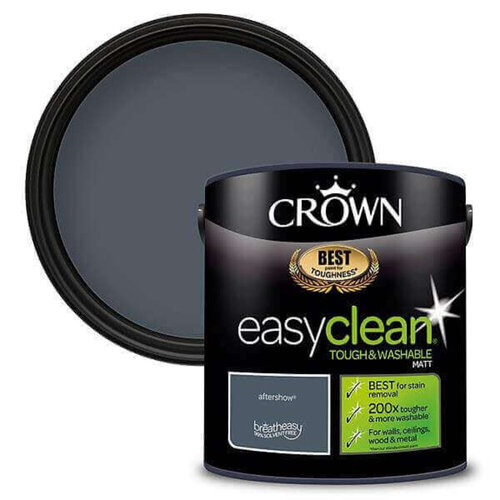
Crown Easyclean Matt - 2.5L Aftershow
Crown Easyclean Matt 2.5L Aftershow kitchen paint, washable, stain-resistant, 99…
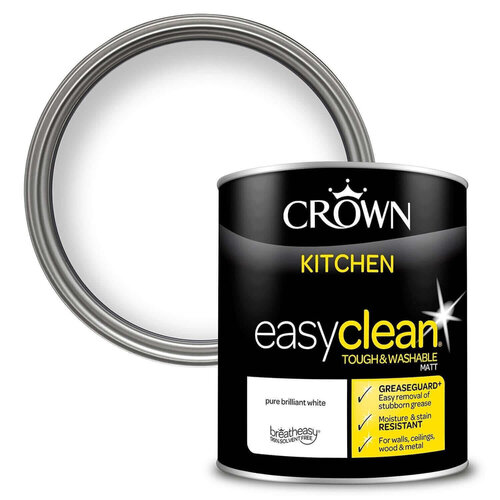
Crown Trade Easyclean Kitchen - 1L Brilliant White
Brilliant white kitchen paint, 1 litre
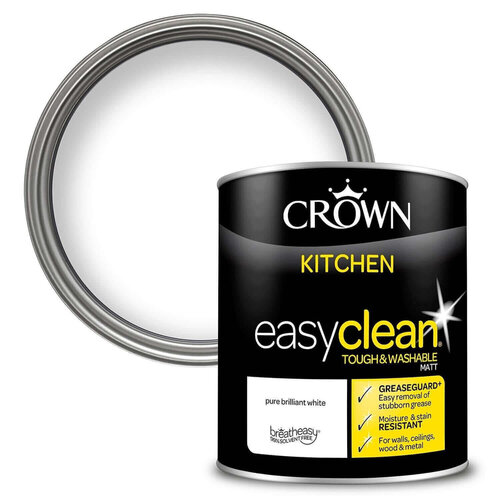
Crown Trade Easyclean Kitchen - 2.5L Brilliant White
2.5L Brilliant White kitchen paint with 15-year durability
Dulux Easycare Kitchen+ Matt - 1L Distant Violet
Grease-proof, washable matt kitchen paint – Distant Violet 1L
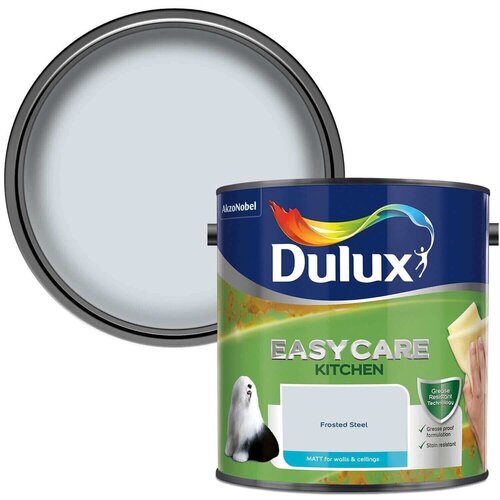
Dulux Easycare Kitchen Matt - Frosted Steel 2.5L
Matt kitchen emulsion paint in Frosted Steel, 2.5L
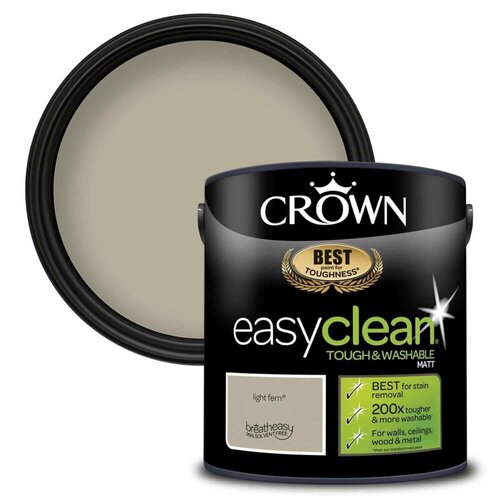
Crown Easyclean Matt - 2.5L Light Fern
Washable, wipeable kitchen paint with durable matt finish
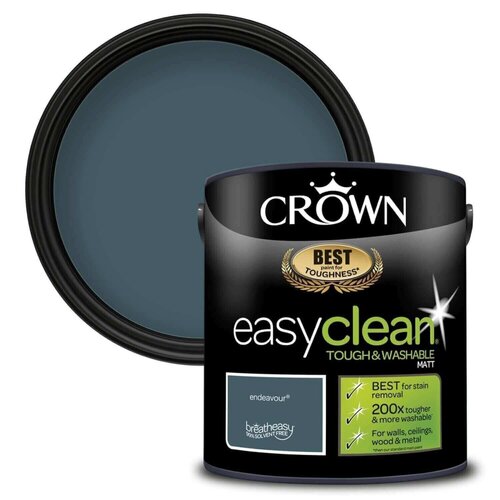
Crown Easyclean Matt - 2.5L Endeavour
Washable matt emulsion paint with GREASEGUARD+ technology for kitchens
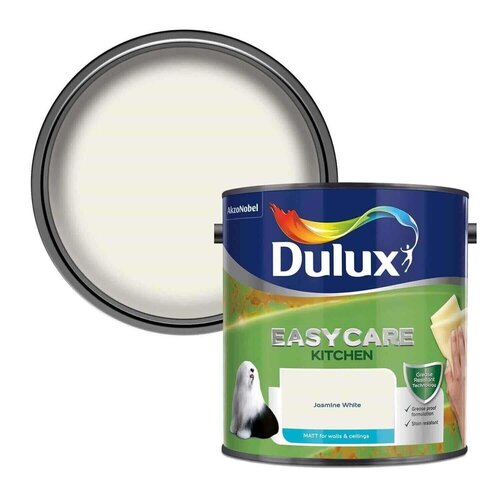
Dulux Easycare Kitchen Matt - 2.5L Jasmine White
Jasmine White matt kitchen paint, 2.5 litre tin.
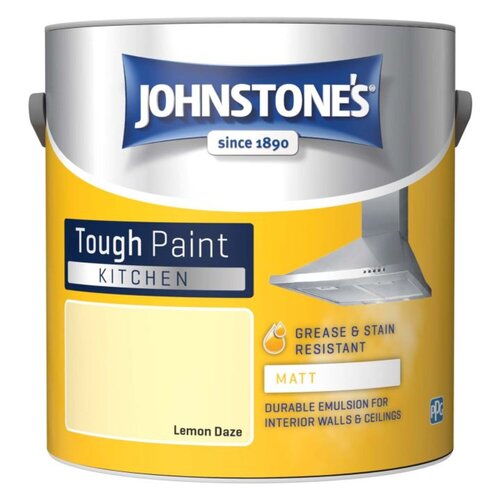
Johnstone's Kitchen Matt Emulsion - 2.5L Lemon Daze
Matt kitchen emulsion in Lemon Daze, 2.5 litres
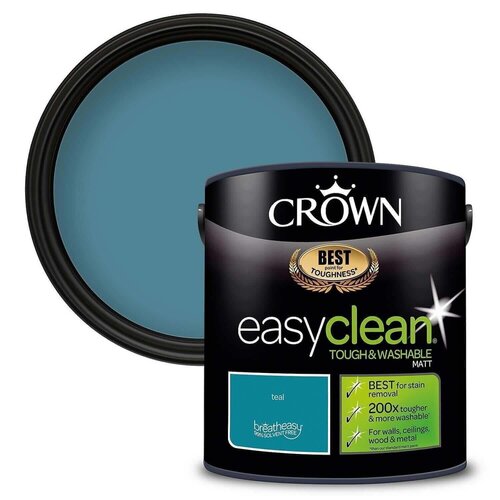
Crown Trade Easyclean Kitchen - 2.5L Teal
2.5 litres teal kitchen paint with highly durable, easy-clean finish
For the Trade
Start with how hard the walls need to work and how quickly the job has to turn round. For a busy kitchen, washable kitchen paint is usually the first filter. After that, the finish matters. A flatter look hides more, while a tougher sheen takes more wiping without looking tired too quickly. Kitchen paint white still gets specified a lot because it keeps touch-up simple. Darker colours can show scuffs sooner. Trade kitchen paint is worth paying attention to when you want fewer call-backs. Cheaper paint often looks fine on day one, then starts showing every mark once the room is back in use.
Kitchen Paint Types and Layouts
If you’re narrowing down kitchen paint, the first split is usually between washable kitchen paint and the tougher wipeable or scrubbable grades. Washable stock suits normal domestic wear and keeps the job economical.
Once the walls will take regular grease or hand marks, wipeable kitchen paint or scrubbable kitchen paint is the better call. It stands up to more cleaning before the finish starts to look tired.
Durable kitchen paint and hard wearing kitchen paint sit in the same bracket for heavier use. You usually give up a bit of price for that extra resistance. Trade kitchen paint is the one to reach for when you want a steadier finish and fewer call-backs.
If you’re comparing it with the rest of the Interior Paint & Surface Preparation range, this is the bit that usually decides the spec.
What to Check Before You Buy
Coverage and recoat time only mean much once you know what you’re painting over. New plaster usually drinks the first coat, so spread rate matters less than getting the system right. Bare masonry can do the same. Previously painted walls are more about adhesion and how many coats you’ll need to even it out.
That is where kitchen paint choice changes. It is not just the finish. It is how forgiving it is on the substrate. If the room needs a tougher moisture-resistant spec, Bathroom Paint is the closer call. If you are working over fitted units or finished floors, Drop Cloth is worth having down. The mess usually slows you up more than the paint.
Useful Alongside Kitchen Paint
Once you’ve picked the kitchen paint, the next call is what the wall is going over and what needs tidying around it. Fresh plaster, old paint and patched areas usually need different prep and primer/undercoat. Get that wrong and you’ll be chasing patchiness or poor hold on the first coat.
Around sinks, hobs and trim, the finish has to work with the rest of the room. That’s where interior wood / trim paint comes in, rather than trying to make one product cover everything. Keep the prep right and the topcoat does its job. Skip it, and even good kitchen paint can look tired fast.
Local availability for Kitchen Paint







