Paint Stripper
If you’re stripping back old coatings, start with what’s on the surface and how much build-up you’re dealing with. A paint stripper in gel or paste form usually stays put better on vertical work, while liquid suits flatter areas where you want quicker spread and less drag. Heavy, stubborn layers need a stronger product, but you’ll usually give up some working time, so the job and the substrate matter more than the label.
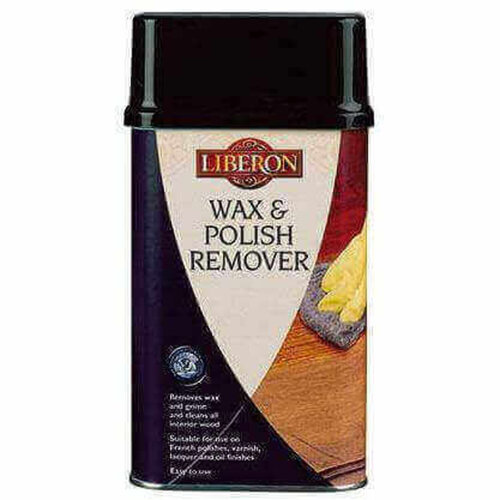
Liberon Wax and Polish Remover
Removes built-up wax layers without harming original wood finishes.
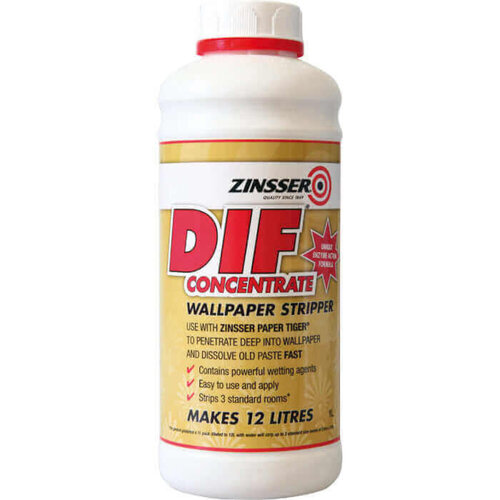
Zinsser DIF Concentrate Stripper
Concentrated wallpaper stripper, makes up to 12L of solution
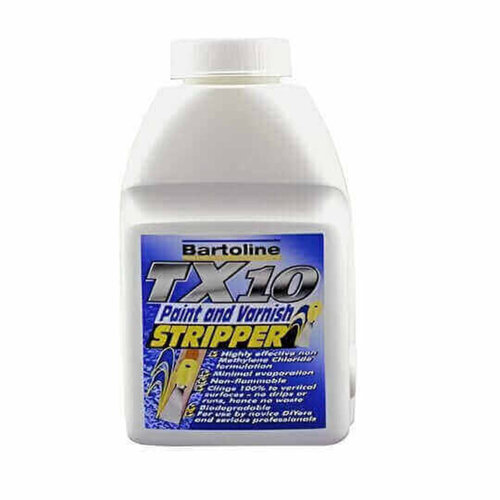
Bartoline TX10 Paint/Varnish Stripper - 500ml Bottle
Bartoline TX10 paint and varnish stripper, 500ml bottle
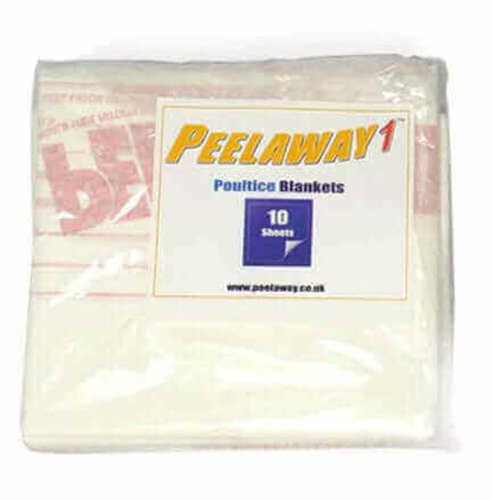
Peel Away 1 Blanket - 10 Pack
Moisture-retaining blankets for paint stripping, pack of 10.
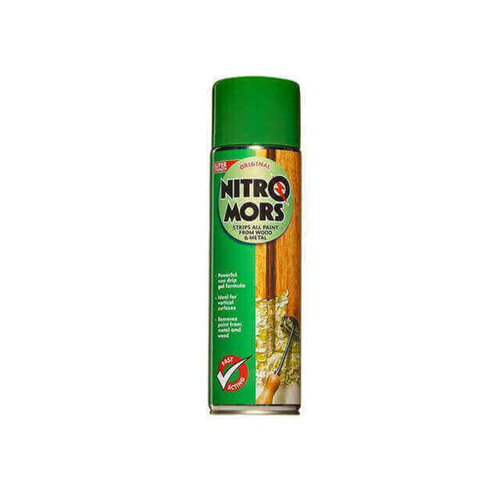
Nitromors All Purpose Paint and Varnish Remover Aerosol - 500ml
All-purpose paint and varnish remover aerosol, 500ml
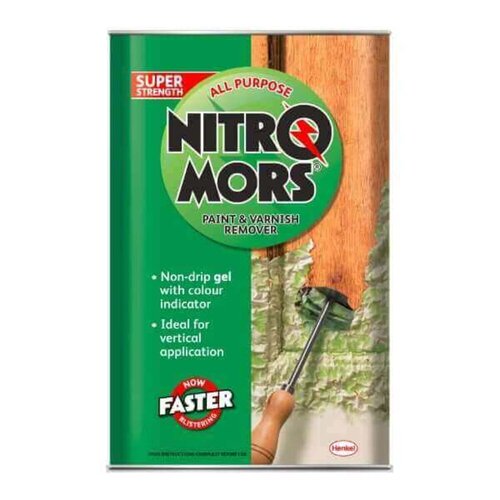
Nitromors All Purpose Paint Stripper - 4L
Nitromors all-purpose paint stripper in a 4 litre container
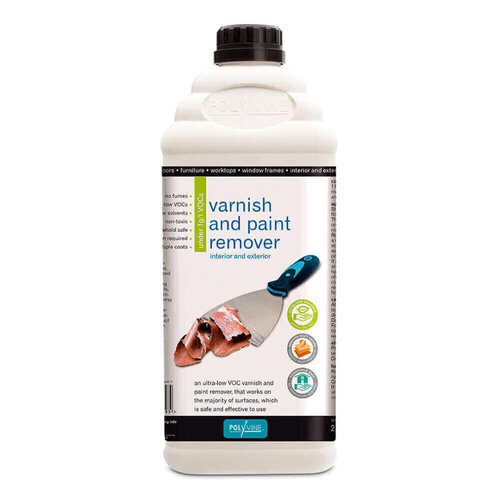
Polyvine Varnish & Paint Remover - 2L
Eco-friendly varnish and paint remover with ultra-low VOC
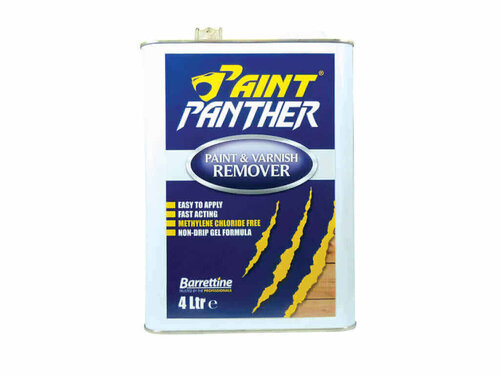
Barrettine Paint Panther Paint & Varnish Remover
Gel paint & varnish remover, 1L removes up to 3m², methylene chloride free
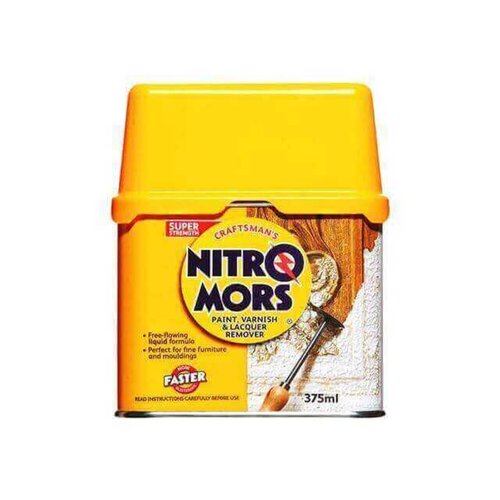
Nitromors Craftsman Paint Varnish and Lacquer Remover - 375ml
Nitromors Craftsman paint, varnish and lacquer remover, 375ml
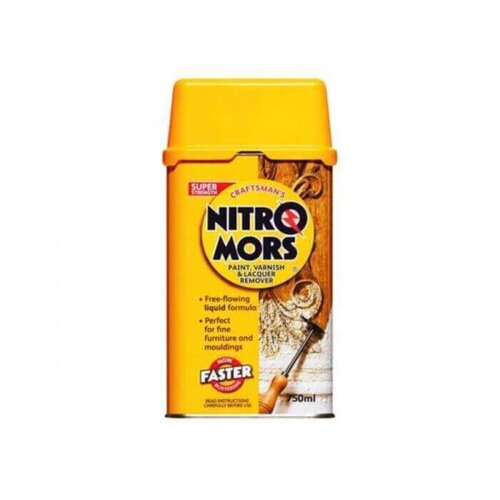
Nitromors Craftsman's Paint, Varnish & Lacquer Remover - 750ml
750ml paint, varnish and lacquer remover from Nitromors.
For the Trade
You’re usually choosing paint stripper by how much time you’ve got and how clean the finish needs to come off. Fast-acting products save waiting, but they give you less room to leave it and come back. A heavy duty paint stripper is the one you reach for when the coating’s been on a while or there are multiple layers, though it can mean more scraping and cleanup. For timber, metal or masonry, the substrate matters as much as the coating. Get that wrong and you end up chasing residue instead of moving the job on.
Paint Stripper Options Compared
If you’re stripping a lot of coating and need the product to stay where you put it, paint stripping gel or paste is usually the first pick. It clings better and gives you more control on awkward areas.
Paint stripping liquid suits flatter work where you want quicker spread. It can run, so you lose some control and waste more product if the surface isn’t right.
For stubborn build-up, heavy duty paint stripper is the one to reach for. The trade-off is a slower, messier job.
If you’re lining up the rest of the prep, the parent Interior Paint & Surface Preparation range is where you’d check the next products.
Choosing Materials and Size
What matters first is what the coating is on and how much you’re taking back. A paint stripper that works on bare wood can be too much on a repaired patch. Coverage only means anything once you know whether you’re on plaster, masonry or a previously painted surface.
On wood, you usually want something that lifts cleanly without pushing you into extra sanding. On masonry, a masonry paint stripper is the one to look at because porous faces pull product differently. If the next finish is a trim system or eggshell, that changes how clean the substrate needs to be before you move on.
Keep a Drop Cloth in the order as well. The mess is what usually slows the job, not the stripping itself.
Completing the Setup
Once you’ve picked the paint stripper, the next call is how much of the surrounding finish you need to protect and what you’re stripping back to. If dust and debris are going to be an issue, get the coverings in first. A missed edge is what brings you back.
Then look at the prep. A stubborn patch may need a proper clean-down or a light key before the next coat. Bare timber or masonry can change what you buy next. On a lot of jobs, the stripper is only half the order. The rest is the prep and protection that keeps the finish moving.
Related searches
Local availability for Paint Stripper










